How supply chain disruption alerts can reduce stockout risk
How Supply Chain Disruption Alerts Can Reduce Stockout Risk
For project managers overseeing complex engineering programs, unexpected supplier delays, port congestion, and regulatory shifts can quickly turn into costly material shortages. Supply chain disruption alerts provide early, actionable visibility into emerging risks across sourcing, logistics, and supplier networks. By translating real-time market and operational signals into informed contingency actions, project teams can protect critical schedules, strengthen procurement coordination, and reduce stockout risk before disruptions affect delivery milestones.
The practical value is not simply knowing that a disruption exists. Most project teams already hear about major strikes, weather events, or geopolitical developments once they become headline news. The harder question is whether a specific event will affect the particular valve actuator, specialty alloy, electrical enclosure, semiconductor-grade component, or bulk material required for a project—and whether there is still time to act.
A useful alerting process narrows that gap between external change and project response. It connects emerging risk signals with the bill of materials, approved supplier base, transport lanes, inventory position, installation sequence, and contractual delivery commitments. Done well, it turns disruption monitoring from a passive news feed into a disciplined method for preventing avoidable stockouts.
Stockouts usually begin long before the warehouse is empty
In capital projects, a stockout is rarely caused by one isolated failure. It is often the last visible result of several smaller issues that were not connected early enough: a sub-tier producer extending lead times, a vessel rollover, a new customs documentation requirement, a quality hold, or a supplier reallocating constrained capacity to another customer. By the time the purchasing team receives a revised estimated delivery date, the project may have already lost its practical recovery window.
This is especially difficult when material availability is tied to engineering dependencies. A delayed high-value component can prevent prefabrication, testing, commissioning, or mechanical completion even if most of the order has arrived. Standard inventory metrics can also be misleading. A site may hold a seemingly comfortable quantity of general consumables while lacking one approved, specification-sensitive part that cannot be substituted without an engineering review.
For this reason, the most relevant disruption alerts are not necessarily the loudest. A localized congestion warning may matter more than a widely reported global event if the affected terminal handles a critical project shipment. Likewise, a change in export controls, origin documentation, environmental reporting, or product conformity requirements may create a greater risk than freight delay when clearance depends on documents prepared by several parties.
What makes an alert operationally useful
A disruption alert should answer more than “what happened?” Project managers need a clear path from signal to decision. The most useful alerts normally contain five elements: the nature of the event, the assets or trade lanes exposed, the likely timing, the confidence or evidence behind the signal, and the action owner. Without that context, alert systems can create noise, encourage unnecessary expediting, and gradually lose credibility with procurement and engineering teams.
The purpose is not to automate every decision. It is to direct limited management attention toward exposures that could affect the critical path. A modest delay to a non-critical fastener may need monitoring only. A similar delay to a tested-and-approved control module may require immediate coordination among engineering, procurement, logistics, quality, and the construction team.
Start with material criticality, not the volume of external data
Many organizations begin by subscribing to broad risk feeds and then struggle to decide which alerts deserve action. A more reliable starting point is the project’s own critical-material profile. This does not require a perfect digital twin of the supply chain. It requires a usable view of what would stop work, delay testing, trigger redesign, or create a difficult approval process if unavailable.
Project teams can classify items using factors such as technical substitutability, approved supplier concentration, manufacturing lead time, transport complexity, inspection requirements, shelf life, storage conditions, and the date at which the item is needed on site. The classification should also reflect dependency: an item with modest value can still be critical if it is required before a major assembly can proceed.
This approach changes the alert threshold. A shipping delay affecting a low-risk replenishment item may be logged without escalation. The same signal linked to a sole-source part, a constrained bulk material, or an imported item with documentation sensitivity should trigger a named review. The distinction helps teams avoid treating every delivery variance as a crisis while ensuring that material risk is visible before it becomes a schedule problem.
Link external signals to the project schedule
Supply chain disruption alerts reduce stockout risk only when they are connected to dates that matter. Estimated time of arrival is useful, but it is not enough. Project controls should compare the revised arrival scenario with the required-on-site date, inspection duration, internal transport time, preservation needs, and any time required to release material to installation crews.
A practical review asks three questions. What is the remaining time buffer? What action can preserve that buffer? Who can authorize the action before the decision window closes? These questions reveal why alerts should not sit solely with logistics or procurement. A route diversion could change cost and transit time. A supplier substitution might affect drawings, warranties, testing, and client approval. Resequencing work may protect the construction schedule but create a later commissioning constraint.
The best escalation routines are often simple: a shared risk register, a short cross-functional review, clear thresholds, and a dated action log. Complexity is not a sign of control. If a team cannot identify the material, affected work package, expected impact, decision owner, and next review date, it is unlikely to respond consistently under pressure.
Use supplier communication to validate the signal
External intelligence can indicate exposure, but suppliers remain essential sources of confirmation. A factory disruption may have no effect on an order already completed and packed. Conversely, a supplier may report “on schedule” while a critical subcomponent is still awaiting release from its own source. The quality of the follow-up matters.
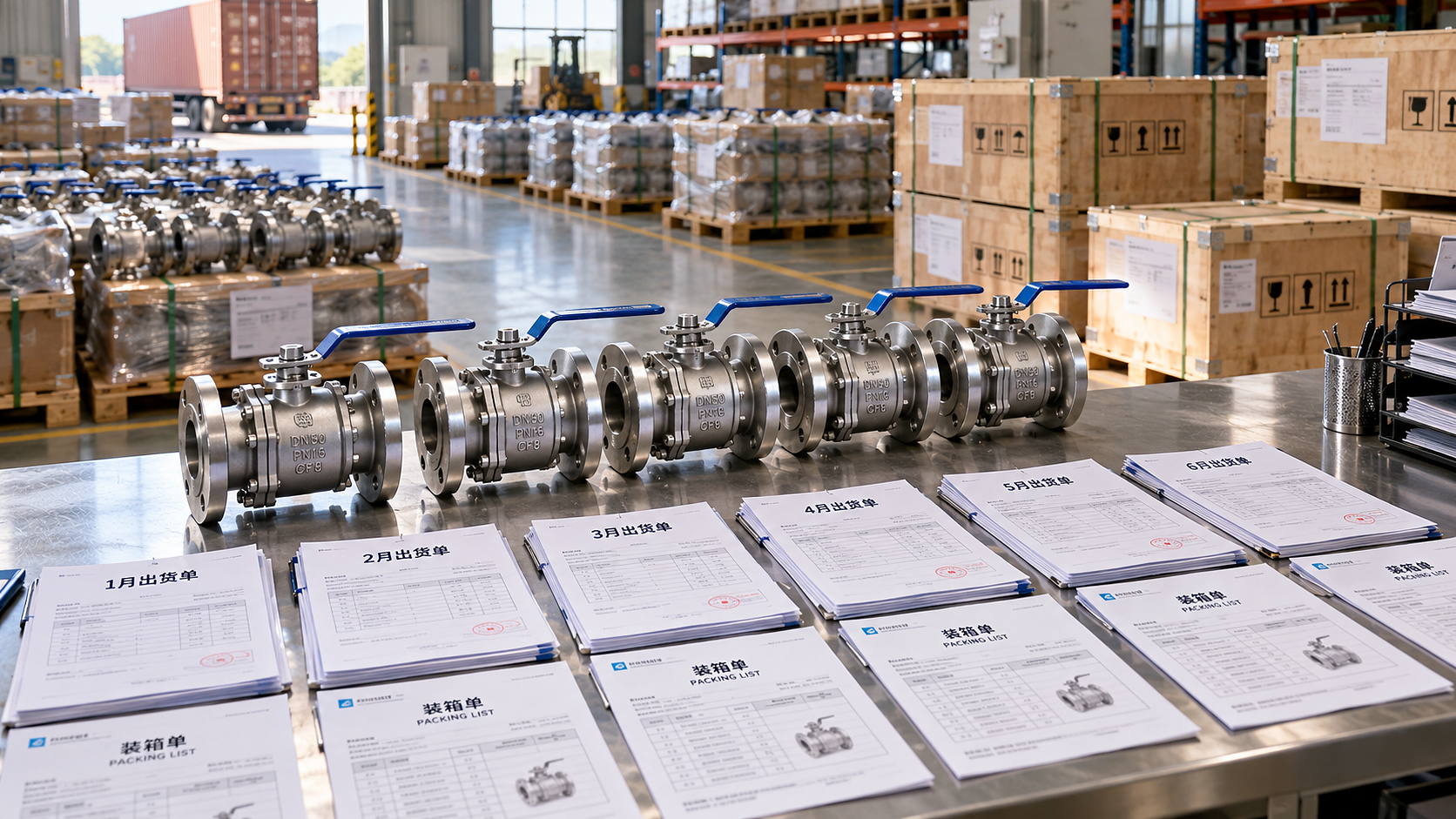
Rather than requesting generic reassurance, project buyers can ask for evidence relevant to the delivery stage: purchase order acknowledgment, production status, material availability, factory acceptance testing status where applicable, packing readiness, booked transport, and document completion. For high-risk orders, it may be reasonable to define what “ready to ship” means in the contract or expediting plan. A label on a carton is not always proof that technical records, export paperwork, inspection release, and carrier collection are complete.
This is also where tier-two and tier-three visibility becomes valuable. Teams do not need to map every sub-supplier in equal detail. They should, however, understand the upstream sources behind materials or components with limited qualification options. A disruption at a sub-tier can be the real cause of a stockout even when the direct supplier remains responsive.
Choose mitigation that fits the engineering reality
The instinctive response to disruption is often to buy more inventory or move freight faster. Both can be appropriate, but neither is universally sensible. Excess material may require controlled storage, introduce obsolescence exposure, or tie up capital in items that later change with the design. Premium freight can protect one package while leaving other dependencies unresolved.
A stronger response considers the actual constraint. Possible options include splitting shipments, moving selected items through a different port or mode, holding a controlled buffer at a regional warehouse, obtaining earlier technical approval for an alternative, placing dual-source arrangements for suitable categories, or resequencing installation activities. Each option has trade-offs. An alternate component must meet performance, interface, certification, and warranty requirements; a new freight route must be checked for handling capability, customs procedures, and delivery access at the destination.
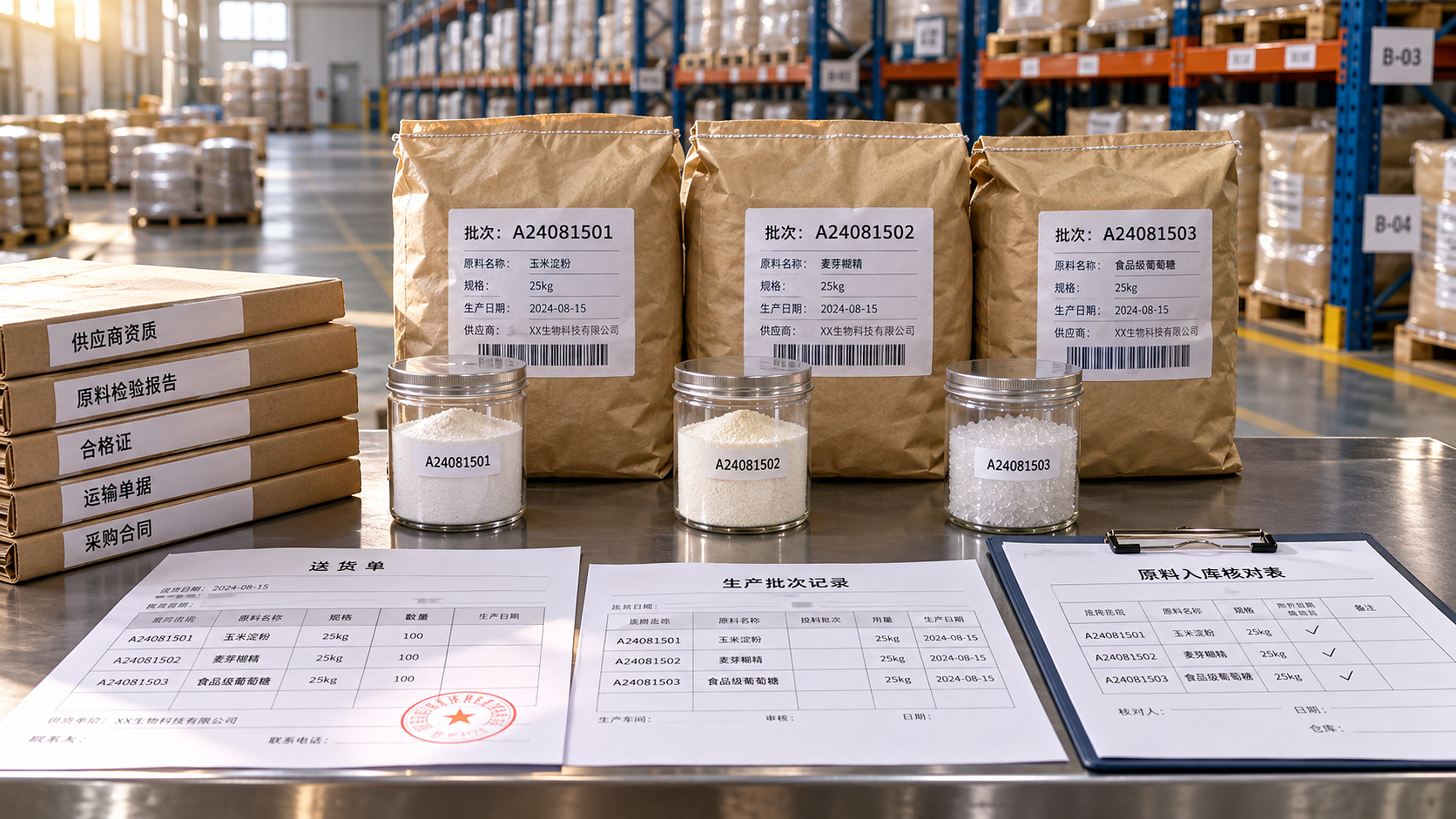
For bulk commodities and industrial inputs, specifications deserve particular attention. A material may be commercially available yet unsuitable because of grade, moisture tolerance, coating, dimensional requirements, traceability, or process compatibility. Avoidable shortages often occur when a team treats “available” and “usable” as the same condition.
Avoid alert fatigue and false certainty
More alerts do not automatically mean better resilience. If managers receive repeated notifications without a direct connection to their supplier network, shipping lanes, or materials list, the system becomes background noise. Alert rules should be reviewed after significant projects: which signals gave sufficient notice, which produced unnecessary escalation, and which exposures were discovered too late?
It is equally important not to mistake a risk indicator for a forecast. Port dwell time, market movement, carrier schedule changes, or regional policy developments can indicate increasing exposure, but they do not prove that a particular shipment will fail. The right response is proportionate validation and contingency planning, not automatic assumptions. Clear confidence labels and source traceability help decision-makers distinguish verified operational updates from early warning indicators.
Building a more informed cross-border risk view
Cross-border projects require a wider lens because material availability is shaped by physical, commercial, and regulatory conditions at the same time. Global Trade Insights & Industry Network (GTIIN) approaches this challenge through global sourcing, supply chain analysis, market trends, and industry standards. Its Full-Dimensional Supply Chain Mapping Model brings together micro-level considerations—such as commodity characteristics, carrier movement, and customs latency—with the broader industrial and geopolitical conditions influencing fulfillment.
For project teams, that type of structured intelligence is useful when it is translated into project-specific questions: Which origins supply the required category? Which transit routes and border processes are involved? Are there emerging compliance issues that could affect documents or product acceptance? Which suppliers, materials, and work packages have the least recovery time? GTIIN’s coverage across industrial sectors can support this kind of due diligence without replacing the project team’s technical and contractual judgment.
The most resilient projects do not assume disruption can be eliminated. They identify where a delay would become a stockout, establish meaningful warning thresholds, and decide in advance who will act when signals appear. Before finalizing an alerting process, confirm the material criticality rules, supplier reporting requirements, route dependencies, required-on-site dates, and applicable technical or customs documentation. Those details determine whether an alert becomes a useful early intervention or merely another message received too late.
Weekly Insights
Stay ahead with our curated technology reports delivered every Monday.
Recommended News
 Global SourcingOct 25, 2026How to find active suppliers in a trade intelligence platform dashboard
 Supply ChainOct 25, 2026Trade Tariffs Cause Whiplash at Port Milwaukee, Disrupting Cargo Flows
 Supply ChainOct 24, 2026How to use traceability to verify supply chain sustainability claims
 Market TrendsOct 24, 2026FedEx Report: AI Drives Asia-Pacific Chip and Digital Infrastructure Supply Chain Demand