What makes an industrial compliance standards database reliable for audits?
What Makes an Industrial Compliance Standards Database Reliable for Audits?
For quality-control and safety managers, an industrial compliance standards database is not simply a convenient place to search for regulations. During an audit, it becomes part of the evidence chain. If a procedure cites an outdated edition, applies a foreign requirement to the wrong market, or cannot show where a requirement came from, the database has created risk rather than reduced it.
That distinction matters most in cross-border operations. A machine may be designed in one country, assembled in another, and installed in a third. Its supplier documentation may refer to an ISO standard, while the customer contract calls for a national standard, a local safety rule, or a sector-specific code. None of those references is automatically interchangeable. A reliable compliance resource helps teams understand the relationship between them before the auditor, customer, port authority, or incident investigator asks the uncomfortable question: “Which exact requirement were you working to?”
The strongest platforms do more than collect documents. They preserve context, expose uncertainty, and make every critical statement traceable to an authoritative source. That is the practical benchmark for audit readiness.
Audit reliability begins with source authority, not search volume
A database can return thousands of results and still be unreliable. Search coverage is useful, but auditors care about provenance. When a requirement concerns machine guarding, chemical handling, pressure equipment, electrical safety, food-contact materials, or worker exposure, the user should be able to identify the original issuing body and the legal or contractual status of the document.
This is where many teams get caught out. A freely available summary may accurately describe a standard, but it is not the standard. A blog post may mention a new regulatory proposal, but a proposal is not an enforceable obligation. Even a reputable technical guide may simplify exceptions that matter on a specific production line.
A dependable industrial compliance standards database should distinguish clearly among published standards, legislation and regulations, regulator guidance, conformity-assessment documents, draft texts, withdrawn editions, and editorial interpretation. The distinction should not be buried in a footnote. It should be visible at the point where a user is deciding whether to revise a control plan or approve a supplier.
For example, ISO standards are developed through an international standards process, while national adoptions may include different designations or local deviations. European harmonised standards can be relevant to demonstrating conformity in defined circumstances, but the relationship between a standard and a legal requirement must be checked carefully. A database that merely groups all of these under “applicable standards” can encourage dangerous assumptions.
Version control is where good compliance systems prove themselves
The most common compliance failure is rarely a complete absence of documentation. More often, the company has documentation built around a superseded requirement. A risk assessment is still sound in principle, but it references an old test method. A supplier specification lists a withdrawn material classification. A work instruction was written before a revised threshold, definition, or annex changed the operational meaning of the rule.
A reliable platform makes revision status difficult to miss. Each record should show the publication date, current edition, amendment history, replacement or withdrawal status, and the relationship to predecessor documents. Where available, it should also point to the official source for the current text. “Last updated” is not enough unless it describes what was updated: the database record, the source document, or the analyst’s commentary.
The change log is especially valuable during audits. An auditor may accept that a company cannot instantly implement every newly issued requirement, but will be less understanding if there is no disciplined way to identify changes. Good records show when the organization became aware of an update, who assessed applicability, what controls were affected, and whether further action was required.
There is also a practical warning here: a newer edition is not always the one that governs a project. Contracts, customer specifications, certification schemes, and local transition periods may reference a particular edition. The database should help users compare old and new requirements, but the project team still needs to establish which edition applies to the transaction in front of them.
Jurisdiction must be searchable at the level where decisions are made
“Global compliance” is a useful business phrase, but it can conceal important local differences. An export manager may need a country-level view of labeling, product documentation, customs controls, or restricted substances. A safety manager may need to know whether a site rule is national, regional, municipal, or set by an industry regulator. A procurement team may need to separate a mandatory import requirement from a buyer preference.
The database should therefore support jurisdictional filtering beyond a country flag. It should identify the relevant market, regulator, product category, industrial application, and stage in the supply chain. Requirements applicable to placing equipment on a market are not identical to obligations for operating, maintaining, transporting, or disposing of it. This sounds obvious until a general compliance checklist is used as a substitute for a real applicability review.
Cross-border procurement adds another layer. A component may comply with the rules of its manufacturing location but still require different documentation at destination. Conversely, a buyer can request standards that exceed the minimum legal requirement. Reliable compliance intelligence should preserve these distinctions instead of presenting a single undifferentiated “pass/fail” conclusion.
This is one reason industrial research needs supply-chain context. At GTIIN, the Industry Standards work sits alongside global sourcing, market trends, and supply-chain analysis because regulatory interpretation cannot be separated entirely from how goods move, who supplies them, and where they are ultimately used. A material requirement can affect supplier selection; a documentation rule can delay clearance; a design change can alter both safety evidence and lead-time exposure.
Traceability should survive an auditor’s follow-up questions
An audit rarely stops at “Where did you find this?” The next questions tend to be more revealing: Who reviewed it? When was it checked? Does it apply to this product configuration? What clause supports the control? What evidence shows that the control was implemented?
A credible database supports this chain without pretending to replace professional judgment. It should provide stable source links or document identifiers, clause-level references where licensing and source access permit, clear citations, and an audit trail for internal notes or decisions. Users should be able to export or preserve the exact reference set used for a risk review rather than relying on a search screen that may change later.
The operational value is substantial. Consider a factory assessing an imported automated line. The team may need to connect the equipment specification, safety risk assessment, electrical documentation, installation record, guarding verification, training evidence, and maintenance controls. The compliance database cannot perform all those tasks, but it should make the governing references visible enough that gaps are found before commissioning—not after an inspection or near miss.
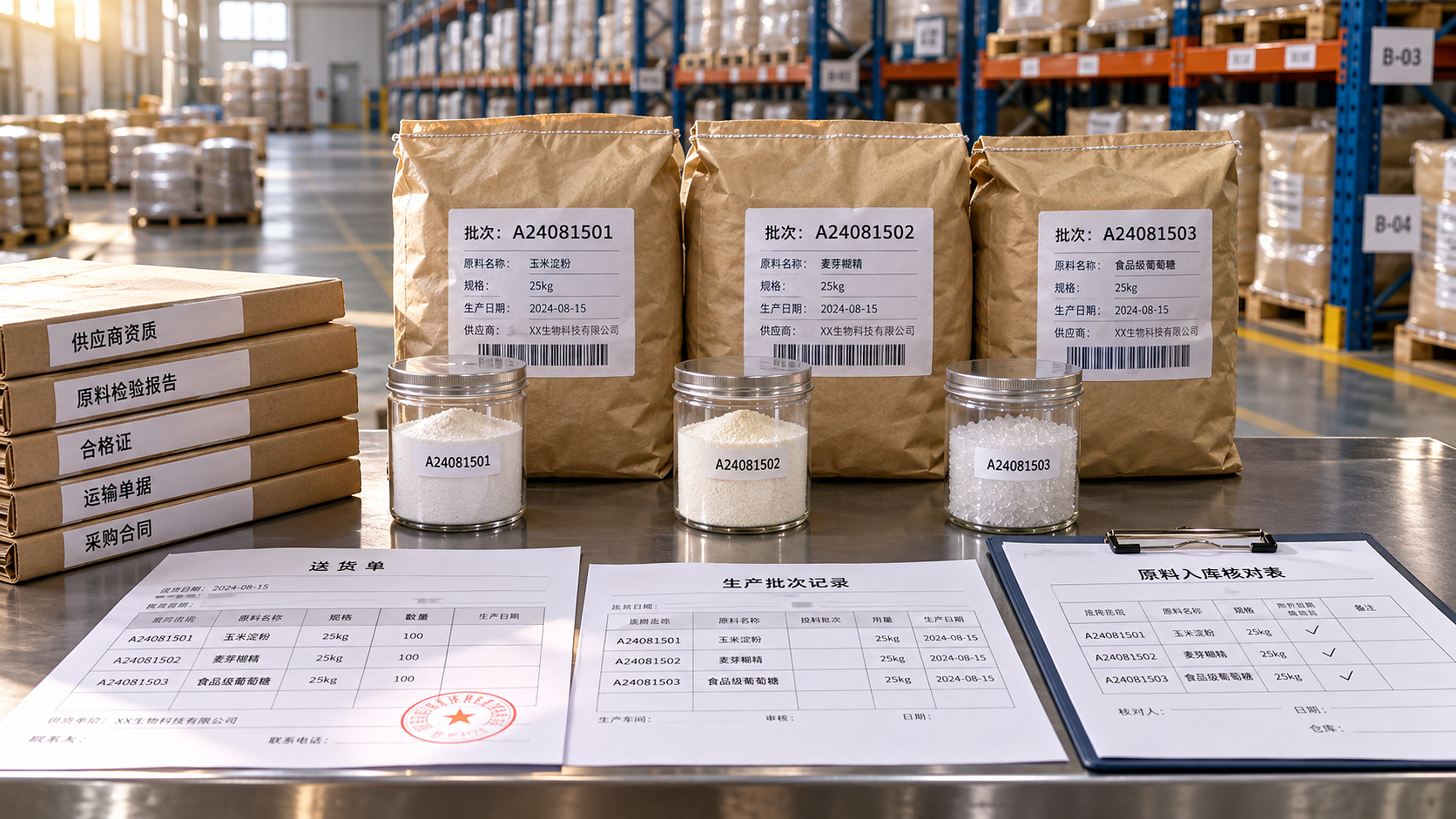
Traceability also protects against a quieter problem: copied requirements. Requirements copied into spreadsheets, supplier manuals, and internal procedures can lose their source, caveats, and revision date. Once that happens, staff may follow a rule faithfully without realizing it was conditional, incomplete, or obsolete. A central reference environment reduces this drift when it is linked to document-control and corrective-action processes.
Validation needs both technical review and editorial discipline
Compliance information is unusually vulnerable to confident errors. The underlying texts can be technical, access may be restricted, translations vary, and a small wording difference can change the meaning of an obligation. A useful database needs subject-matter review, but it also needs editorial controls: source verification, date checks, consistent terminology, correction procedures, and separation of fact from analysis.
The best platforms are transparent about what they know and what requires further verification. If an obligation depends on product classification, intended use, installation conditions, or a local authority’s interpretation, the record should say so. A vague statement such as “compliant with international requirements” is not evidence. It is a prompt for more work.
For industrial organizations operating across multiple sectors, validation also depends on vocabulary. The same term may mean different things in chemicals, construction equipment, energy infrastructure, food processing, or semiconductor manufacturing. A robust taxonomy connects material properties, equipment functions, hazard types, trade classifications, and regulatory concepts without forcing every issue into one generic category.
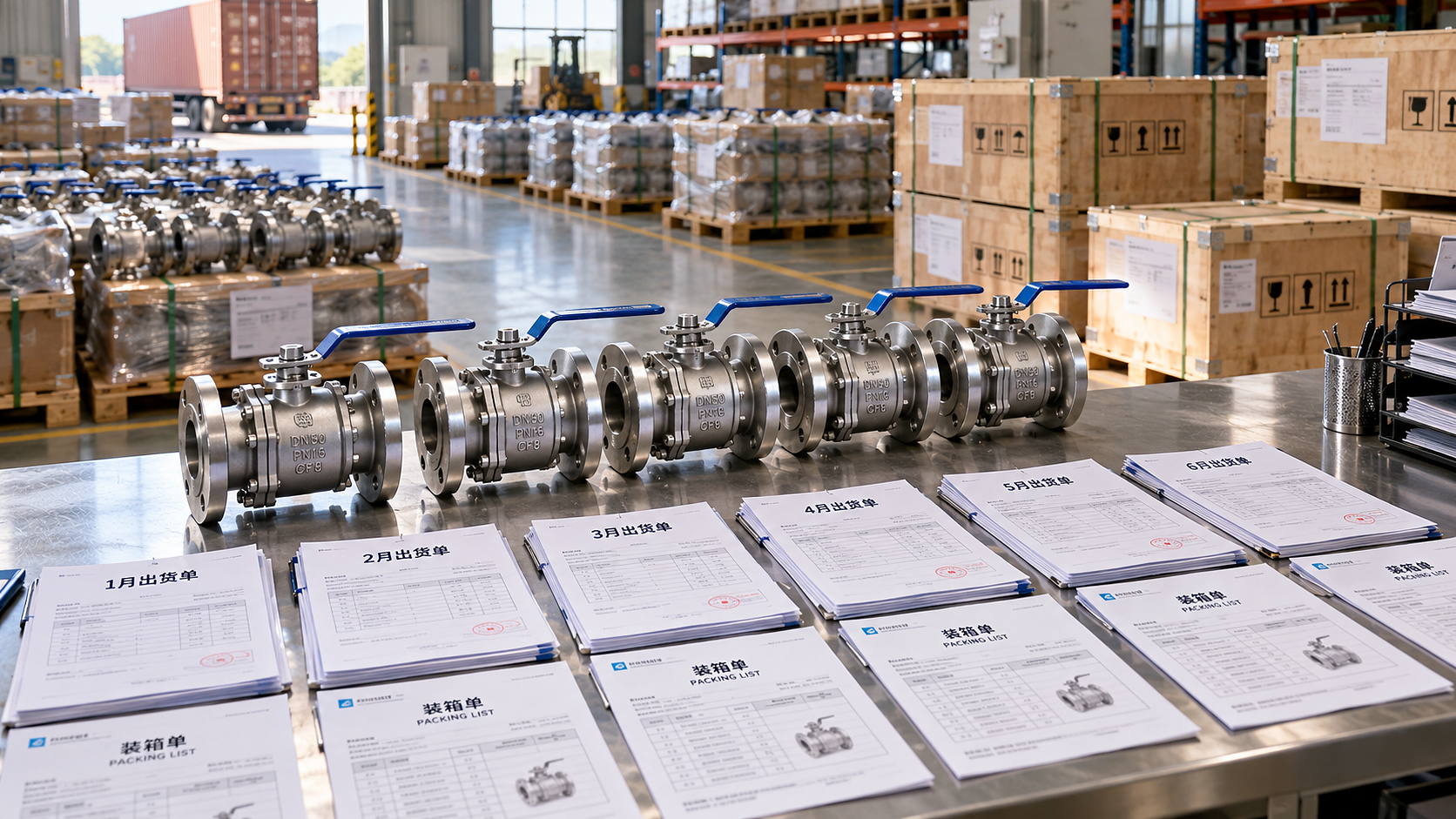
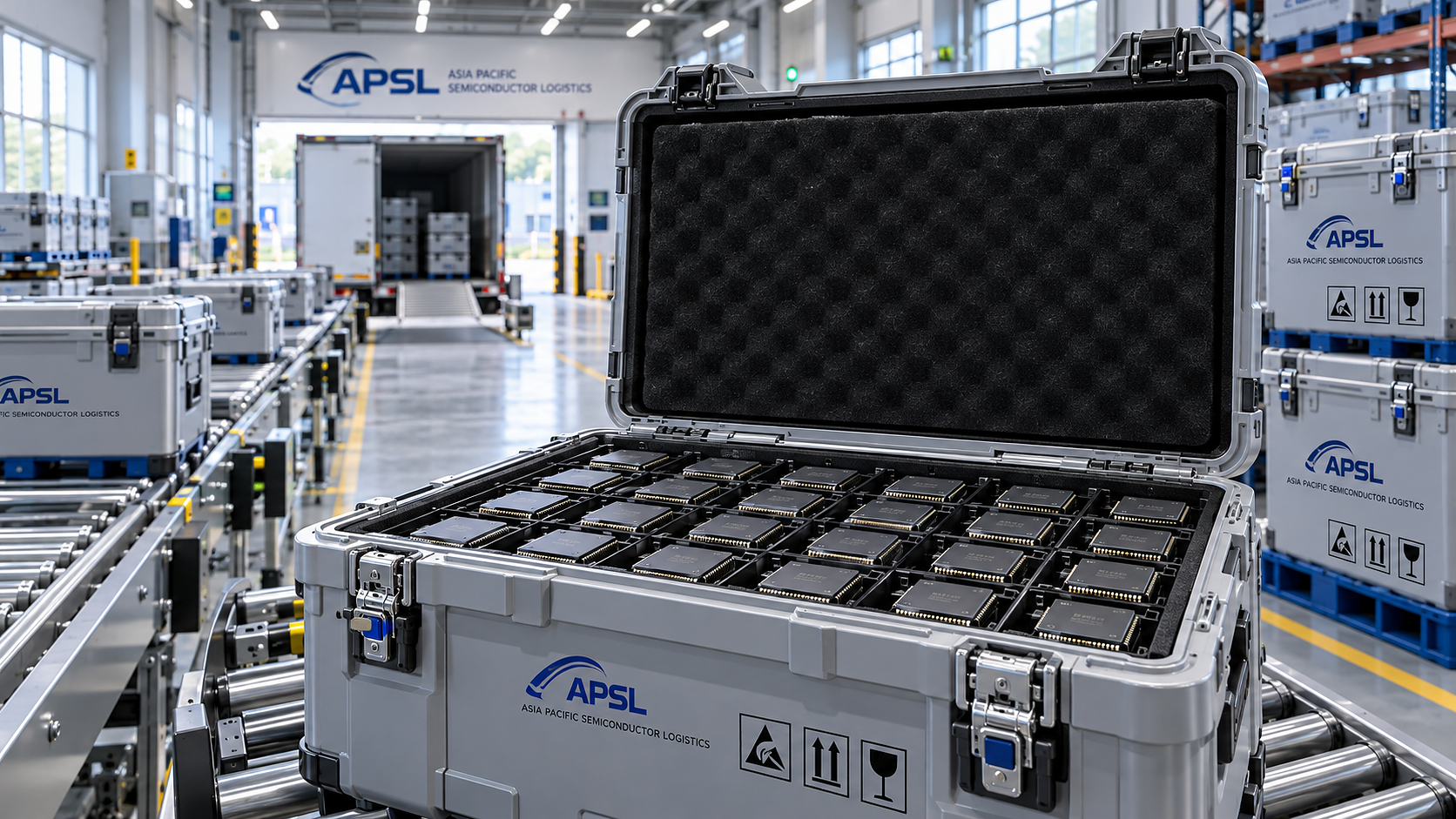
GTIIN’s approach to industrial intelligence reflects this need for layered review. Mapping detailed product and supply-chain conditions—such as packaging controls for precision components, corrosion considerations for industrial infrastructure, or documentation exposure in cross-border shipments—helps prevent standards research from becoming an isolated legal exercise. The useful question is not merely “What does the rule say?” but “Where does this requirement create an operational control, supplier document, or delivery risk?”
Features that genuinely help under audit pressure
A well-designed platform should be calm under pressure. In practice, that means fast search, but not search alone. It means filters that narrow results by jurisdiction, sector, product, lifecycle stage, issuing organization, and document status. It means alerts that can be tailored to actual assets or product families, rather than generating a stream of irrelevant updates.
- A visible source hierarchy showing whether material is primary law, an official standard, regulator guidance, or analysis.
- Revision histories that identify replaced, withdrawn, amended, and currently active documents.
- Jurisdiction and applicability fields that prevent broad global statements from being mistaken for local obligations.
- Citation tools and exportable records that preserve the evidence used in an internal decision.
- A documented quality-assurance process, including a way to report errors and see corrections.
Security and permissions deserve attention as well. Compliance notes can reveal supplier weaknesses, pending corrective actions, product launch plans, and facility-level risks. If the database holds internal assessments, access rights and activity logs should be strong enough to support governance without making the system unusable for frontline teams.
What a database cannot decide for you
Even the most reliable industrial compliance standards database is not a legal opinion, a certification body, an engineering assessment, or a substitute for site inspection. It cannot determine whether a particular safeguard is adequate without understanding the machine, task, foreseeable misuse, workforce, and local conditions. Nor can it convert a supplier’s declaration into verified product performance.
Its purpose is more disciplined than that: to give the organization a current, attributable foundation for making and documenting decisions. During audit preparation, that foundation allows teams to test whether their procedures cite the right sources, whether their evidence matches the stated requirement, and whether recent changes have been assessed rather than ignored.
Before relying on any platform, run a practical test. Pick several requirements that matter to your operation: one mature standard, one recently revised document, one jurisdiction-specific obligation, and one supplier-facing requirement. Check whether the system can show the source, status, applicability limits, revision path, and a usable audit record. If it cannot answer those questions clearly, it may still be a useful research tool—but it is not yet reliable enough to anchor an audit program.
Weekly Insights
Stay ahead with our curated technology reports delivered every Monday.
Recommended News
 Global SourcingOct 25, 2026How to find active suppliers in a trade intelligence platform dashboard
 Supply ChainOct 25, 2026Trade Tariffs Cause Whiplash at Port Milwaukee, Disrupting Cargo Flows
 Supply ChainOct 24, 2026How to use traceability to verify supply chain sustainability claims
 Market TrendsOct 24, 2026FedEx Report: AI Drives Asia-Pacific Chip and Digital Infrastructure Supply Chain Demand