Can tariff exposure analysis services reveal hidden import cost risks?
Rising tariffs, shifting trade rules, and fragmented supplier networks can create import costs that remain invisible until margins are already under pressure. A sourcing decision may look sound when the quoted unit price is compared across suppliers, yet the delivered cost can change sharply once customs classification, country of origin, preferential trade agreements, transit routes, and trade remedies are examined together.
That is where tariff exposure analysis services become useful. They do more than estimate a duty percentage. A well-run analysis traces how a product reaches its destination, tests the assumptions behind its declared origin and tariff code, and shows management where a small compliance error or policy change could become a material procurement risk. For companies importing industrial components, bulk materials, machinery, electronics, packaging, or finished goods, this visibility can turn tariff planning from a last-minute customs issue into a commercial decision.
Why the import cost on a purchase order is rarely the full cost
Procurement teams are often asked to reduce landed cost while maintaining quality, continuity, and delivery performance. The challenge is that tariff exposure is not always visible in the supplier quotation. A supplier may provide an attractive ex-works or FOB price, but the buyer still needs to understand what happens after the goods leave the factory.
The eventual import cost may depend on factors that sit in different departments: engineering determines product specifications; procurement chooses the supplier; logistics selects the route and Incoterm; customs teams file the entry; finance carries the duty and tax burden; legal or compliance teams monitor sanctions, trade remedies, and origin rules. When these decisions are disconnected, companies may discover the true cost only after goods are in transit—or after an audit raises questions about prior imports.
Typical hidden exposures include:
- Incorrect or overly broad Harmonized System (HS) classification for technically complex products;
- Additional duties, safeguard measures, anti-dumping duties, or countervailing duties that were not included in a sourcing comparison;
- Loss of preferential tariff treatment because origin documentation or production rules are not satisfied;
- Duty calculations based on an incomplete or misunderstood customs value;
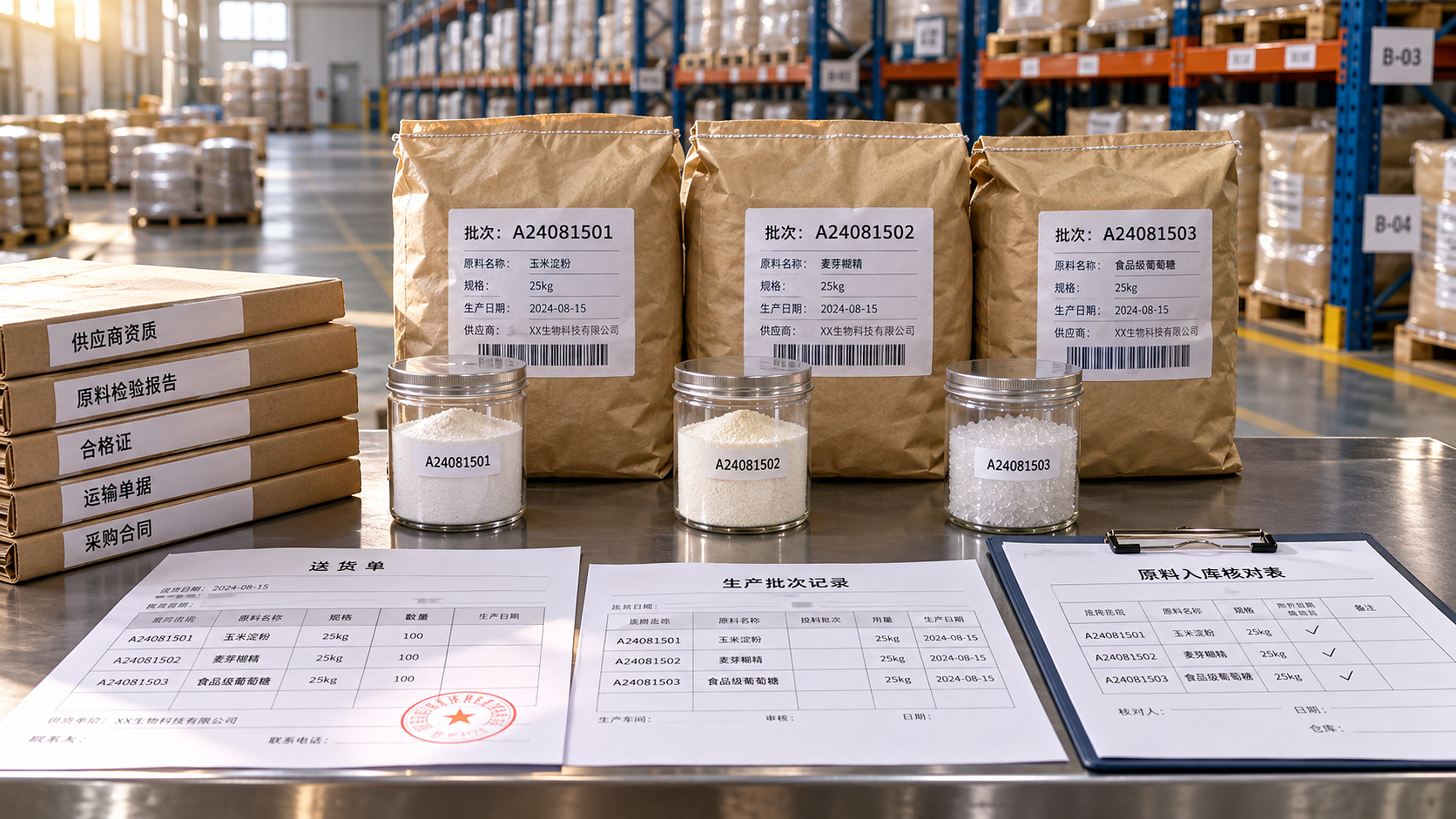
- Supplier-origin claims that do not match the actual manufacturing or substantial-transformation process;
- Route or distribution changes that affect eligibility, documentation, or timing of customs declarations; and
- Future exposure caused by pending tariff reviews, geopolitical restrictions, or country-specific policy changes.
None of these risks necessarily means a transaction should be avoided. The point is to make the risk visible before a company commits to annual volumes, long-term tooling, inventory buffers, or a new supplier relationship.
What tariff exposure analysis services actually examine
At their best, tariff exposure analysis services are a structured decision exercise rather than a static duty lookup. The work starts with product-level facts: composition, function, technical drawings, bills of materials, manufacturing steps, packaging configuration, and intended use. These details matter because tariff classification is based on legal and technical interpretation, not the marketing name used on an invoice.
The next layer is commercial and geographic. Analysts review the supplier’s location, the origin of key inputs, manufacturing locations, shipping path, importing country, Incoterms, customs value components, and expected annual import volumes. This produces a more realistic view of the exposure attached to a specific sourcing model.
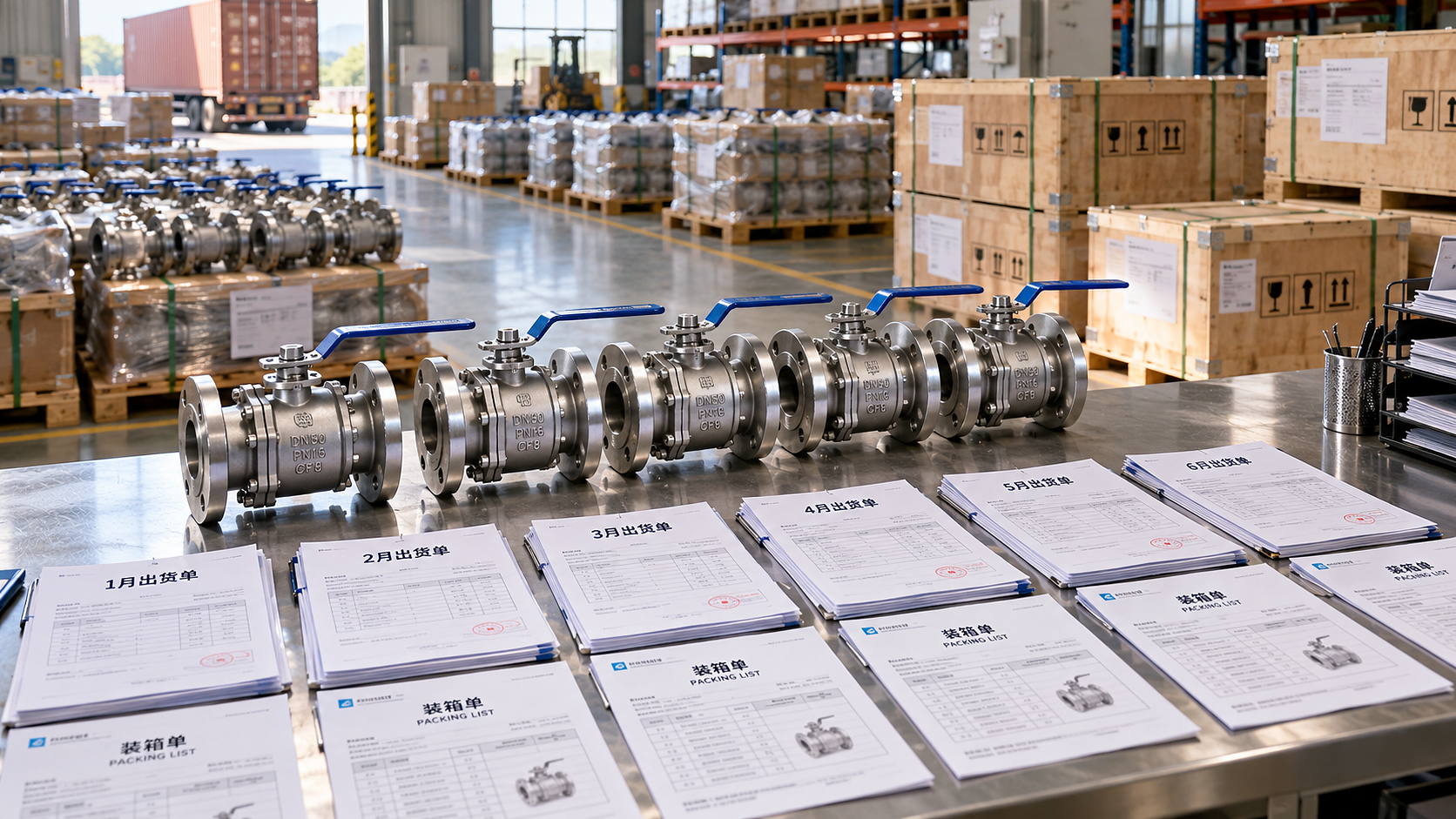
For a manufacturer buying forged parts, for example, the relevant question is not simply, “What is the tariff on steel components?” The assessment may need to distinguish the component’s tariff heading, the origin of the finished part, the origin of the steel input, whether a trade remedy scope applies, and whether the processing performed in a third country is sufficient to support a different origin determination. Those are separate questions with separate commercial consequences.
A strong assessment also considers uncertainty. Some products are straightforward to classify; others sit near a classification boundary, particularly where mechanical, electrical, digital, or composite functions overlap. Instead of presenting one number as absolute, a useful report may outline a base-case duty position, alternative classification or origin scenarios, and the operational evidence needed to support each position.
The questions executives should ask before relying on a tariff estimate
A duty rate without context can create false confidence. Before approving a sourcing decision, business leaders should ask whether the estimate reflects the actual transaction rather than a generic product category.
Is the tariff code supported by technical evidence?
Many organizations inherit codes from suppliers, legacy ERP records, brokers, or prior shipments. That can be practical, but it is not always reliable. Product changes, new configurations, or differences between markets can alter the classification outcome. A defensible review should link the recommended code to product specifications and relevant classification logic, while clearly noting where specialist customs counsel or a binding ruling may be appropriate.
Is country of origin being confused with country of shipment?
Goods shipped from one country are not automatically goods of that country. This distinction becomes critical when companies diversify production, use regional assembly hubs, or purchase through trading companies. Origin can determine ordinary duty, preferential treatment, trade-remedy exposure, marking requirements, and restrictions tied to specific jurisdictions.
Does the model include more than the headline customs duty?
For many categories, the standard tariff is only one part of the picture. Importers may face temporary surtaxes, sector-specific measures, trade-remedy duties, excise obligations, customs processing charges, or local taxes. The calculation should also clarify which costs are recoverable, which are not, and whether they affect cash flow even when later credited.
What would change if policy changes next quarter?
Tariff planning is increasingly a scenario-planning exercise. A reliable analysis does not claim to predict every policy decision. It identifies the products, origins, and spend categories that are most sensitive to change, allowing leaders to prepare alternatives before a disruption becomes urgent.
From duty calculation to sourcing strategy
The greatest value of tariff exposure analysis is often not the calculation itself; it is the better conversation it enables between procurement, finance, operations, and compliance. Once exposure is mapped, a company can compare options on a consistent landed-cost basis rather than allowing unit price to dominate the decision.
For example, a lower-cost supplier may still be commercially attractive after duty, freight, and lead-time risk are considered. In another case, a supplier with a slightly higher factory price may offer a lower total cost because its origin qualifies for preferential treatment or its route reduces inventory pressure. The analysis may also reveal that the most important risk is concentrated in a small number of high-volume SKUs, making a targeted supplier-development effort more sensible than a broad relocation program.
Possible actions following the assessment can include:
- Validating classifications for high-value or high-volume items;
- Requesting more detailed origin declarations and manufacturing-process information from suppliers;
- Reviewing whether existing free trade agreement claims are properly supported;
- Building alternative-source scenarios for tariff-sensitive categories;
- Adjusting contracts to clarify responsibility for duty changes, origin evidence, and customs documentation;
- Revisiting product design or component sourcing where lawful tariff engineering may be relevant; and
- Setting internal review triggers when a country, commodity, or product family becomes exposed to new trade measures.
These are not one-size-fits-all remedies. Changing a supplier can introduce quality and capacity risks; changing a route can create transit delays; redesigning a product may affect certification or customer requirements. The role of analysis is to show the trade-offs clearly enough for management to choose deliberately.
A practical way to prioritize the work
Not every imported item deserves the same level of investigation. Organizations with thousands of SKUs can begin by ranking exposure through a simple matrix: annual customs value, estimated duty burden, classification complexity, origin uncertainty, supplier concentration, and policy volatility. A low-volume standard fastener may require routine monitoring. A specialized motor assembly that supports a critical production line, comes from a tariff-sensitive market, and has no qualified second source deserves deeper attention.
It is also wise to look beyond direct imports. A domestic supplier may incorporate imported content and later seek to pass through tariff increases. Contract manufacturers may source subcomponents from countries the buyer has not evaluated. In complex industrial supply chains, indirect exposure can affect price negotiations and continuity even when the importing entity is elsewhere in the value chain.
GTIIN’s broader supply chain research approach is relevant here: tariff risk should be read alongside freight conditions, customs latency, industrial capacity, material availability, technical standards, and geopolitical developments. A tariff increase may be manageable if alternative supply is readily available. It becomes far more serious when the affected component has long qualification cycles, strict engineering tolerances, or a constrained global producer base.
Where companies commonly misjudge the risk
One common mistake is treating a trade agreement as an automatic discount. Preferential treatment is usually conditional. Rules of origin may require regional value content, a tariff shift, specific processing, or properly completed documentation. A supplier’s broad statement that goods are “made in” a partner country may not establish qualification for every shipment.
Another is relying on a broker only after cargo is booked. Customs brokers play an essential operational role, but strategic tariff exposure should be examined early—while supplier selection, product configuration, and contractual terms can still be influenced. By the time a shipment reaches the port, choices are narrower and expensive surprises are harder to avoid.
Finally, businesses sometimes respond to tariff uncertainty with abrupt supplier relocation. That can be appropriate in selected cases, but it should not be a reflex. A new origin may reduce duty while increasing defect risk, ocean transit time, working capital requirements, or dependence on a different regulatory environment. Resilience comes from comparing the full system, not from chasing the lowest visible tariff rate.
What a decision-ready output should look like
Executives do not need a report filled only with customs terminology. They need a clear view of financial exposure, assumptions, confidence levels, and choices. A decision-ready tariff analysis should normally identify the affected products and trade flows, explain the key classification and origin logic, separate confirmed obligations from potential scenarios, and quantify exposure using current volumes where reliable data exists.
It should also state what evidence is missing. If an origin conclusion depends on supplier bills of materials, production records, or a formal customs determination, that should be visible rather than buried in a footnote. Transparent uncertainty is more useful than precision that cannot be defended.
For global procurement leaders, the central question is not whether tariffs can be eliminated. Often they cannot. The real question is whether the organization understands its exposure early enough to protect margins, negotiate intelligently, maintain compliant trade flows, and preserve options when conditions change. Tariff exposure analysis services can reveal risks that sit between purchasing, logistics, and regulation—and make those risks manageable before they become costly surprises.
Weekly Insights
Stay ahead with our curated technology reports delivered every Monday.
Recommended News
 Global SourcingOct 25, 2026How to find active suppliers in a trade intelligence platform dashboard
 Supply ChainOct 25, 2026Trade Tariffs Cause Whiplash at Port Milwaukee, Disrupting Cargo Flows
 Supply ChainOct 24, 2026How to use traceability to verify supply chain sustainability claims
 Market TrendsOct 24, 2026FedEx Report: AI Drives Asia-Pacific Chip and Digital Infrastructure Supply Chain Demand