Customs Clearance Requirements: Documents, Duties, and Common Delays
Why do customs clearance requirements matter so much in cross-border trade?
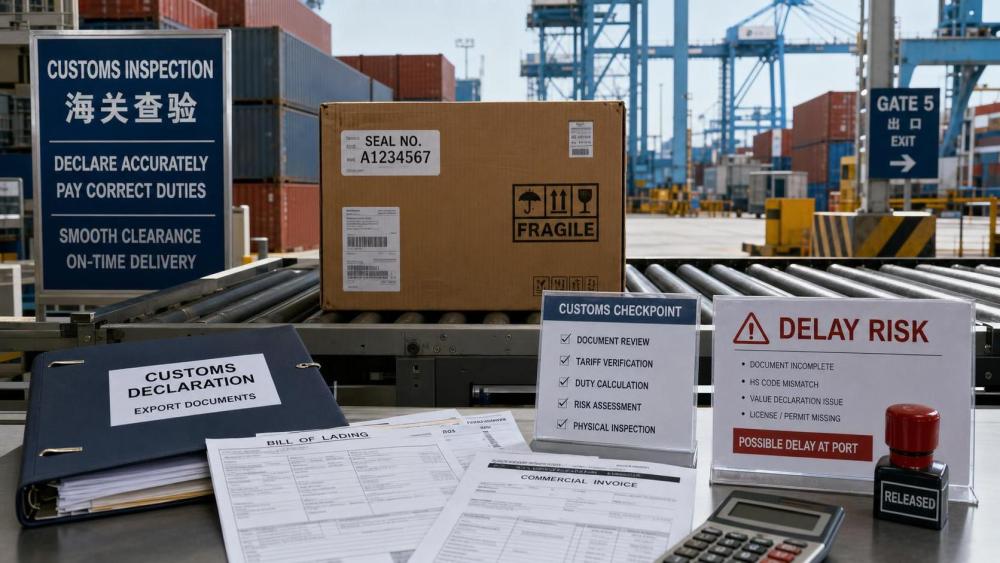
Customs clearance requirements shape whether cargo moves smoothly or stalls at the border. They affect landed cost, delivery timing, compliance risk, and even supplier credibility.
At a basic level, customs authorities want three things: accurate product identity, correct value declaration, and lawful market entry. Most clearance problems come from gaps in one of those areas.
That is why a small document mismatch can become a larger operational issue. A wrong HS code, missing certificate, or unclear consignee detail may trigger review, reclassification, or inspection.
In practical terms, understanding customs clearance requirements helps build a clearer picture of cross-border compliance. It also helps explain why two similar shipments can clear at very different speeds.
Trade intelligence platforms such as GTIIN often track these patterns beyond headline regulation. The useful signal is usually in document practice, tariff treatment, and port-level delay trends.
Which documents are usually required before goods can clear customs?
The exact list depends on product type, origin, destination, and transport mode. Still, several documents appear in most customs clearance requirements across major trade routes.
The commercial invoice is central. It should match product description, unit price, total value, Incoterms, seller, buyer, and currency used in the transaction.
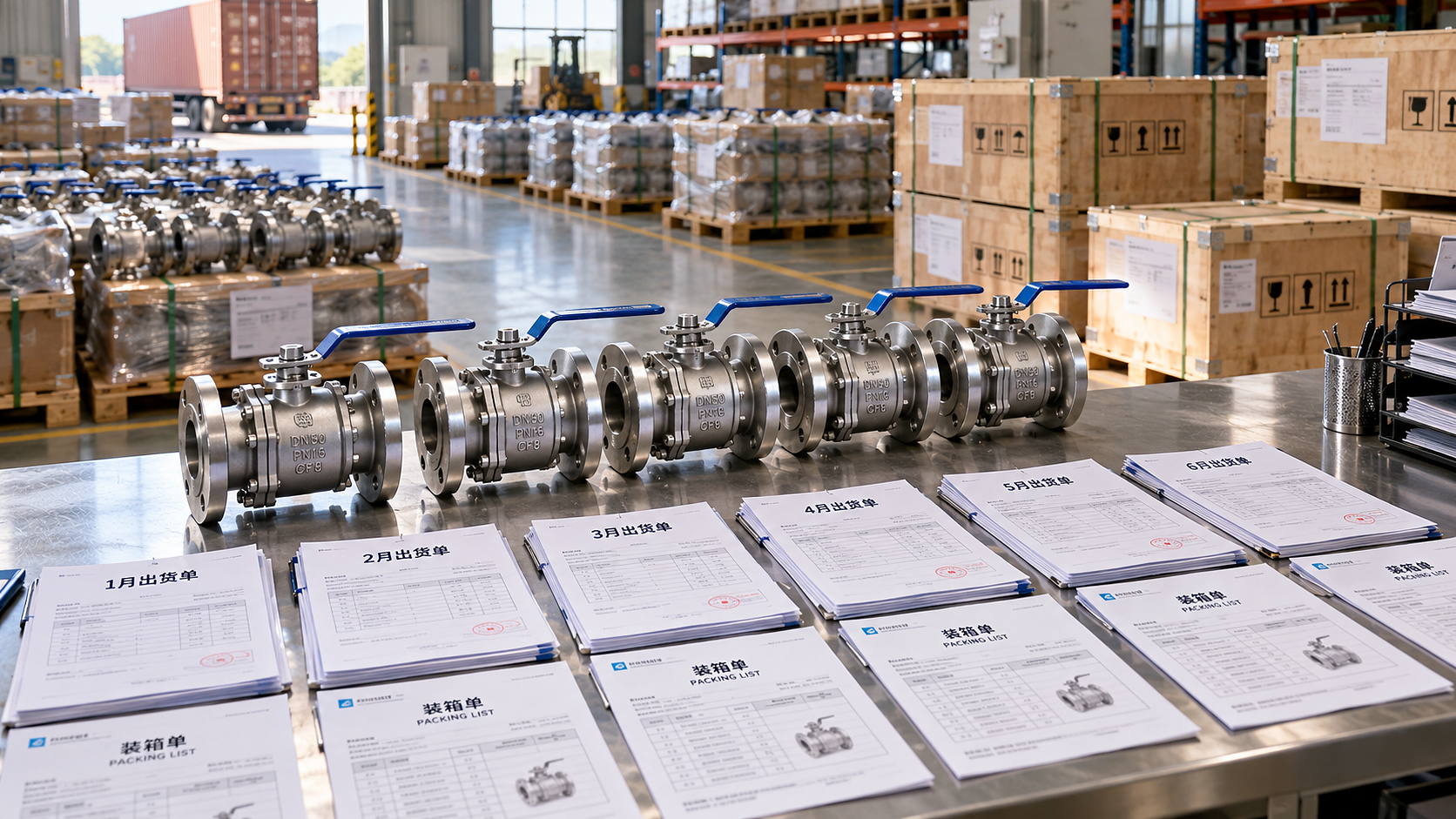
The packing list supports physical verification. It should show carton count, net and gross weight, dimensions, and item breakdown in a way customs officers can quickly compare.
Transport documents are equally important. Depending on mode, this may be a bill of lading, air waybill, rail consignment note, or trucking document.
Then come the conditional documents. These may include certificates of origin, import licenses, conformity certificates, fumigation records, insurance certificates, or safety data sheets.
More regulated sectors face tighter customs clearance requirements. Chemicals, machinery, food ingredients, electronics, medical goods, and dual-use items often need extra declarations or testing evidence.
A simple way to read the document stack is this: invoice proves value, packing list proves shipment makeup, transport document proves movement, and certificates prove legal eligibility.
The table helps show a broader point. Customs clearance requirements are not only about paperwork volume. They are about consistency across documents and legal claims.
How are duties and taxes calculated, and why do estimates often change?
Many people assume duty is a flat percentage. In reality, customs clearance requirements around duty calculation can be more layered than expected.
The starting point is usually classification. Customs assigns an HS code, and that code determines the base duty rate, possible restrictions, and whether anti-dumping or special tariffs apply.
The second factor is customs value. This is often based on transaction value, but freight, insurance, assists, royalties, or related-party pricing can affect the final assessment.
The third factor is origin. A shipment may qualify for reduced duty under a free trade agreement, but only if the origin rule is satisfied and documented correctly.
Then taxes enter the picture. VAT, GST, excise tax, port charges, customs processing fees, and local surcharges may all be payable before release.
This explains why early cost estimates move. A broker may revise the number after reviewing the product description, origin proof, or inland charges included under the import rule.
A more reliable approach is to compare four data points before shipment: HS code logic, origin status, declared value method, and destination-specific taxes. That reduces surprises later.
- Check whether the product description is technical enough for tariff classification.
- Confirm if preferential origin is available and provable.
- Review whether freight and insurance are dutiable in the destination market.
- Watch for trade remedies, quota controls, or temporary tariff measures.
What usually causes customs delays when the documents look complete?
This is one of the most common questions around customs clearance requirements. Complete documents do not always mean a low-risk shipment.
Customs agencies also screen for plausibility. If declared value looks unusually low, product wording is too generic, or routing seems inconsistent, the file may be flagged.
Inspection is another major reason. Some checks are random. Others are targeted because of product sensitivity, country risk, importer history, or current enforcement priorities.
Port congestion creates a different kind of delay. Even when customs has no issue, terminal backlogs, exam scheduling, and warehouse handling can hold cargo longer than planned.
Regulatory overlap also matters. A shipment may clear customs but still wait for agriculture, health, standards, or environmental review. This is common with food, timber, batteries, and chemicals.
GTIIN’s cross-border supply chain analysis often highlights this practical distinction: regulatory delay is not always tariff delay. The bottleneck may sit in inspection capacity or multi-agency coordination.
When trying to judge delay risk, it helps to separate document risk, product risk, route risk, and port risk. They do not behave the same way.
A quick delay-risk view
Do customs clearance requirements change by product, country, or shipping mode?
Yes, and this is where many basic guides become too general. Customs clearance requirements vary sharply across jurisdictions and product categories.
Country rules differ in tariff schedule structure, licensing thresholds, pre-arrival filing rules, and post-entry audit intensity. A document acceptable in one market may be incomplete in another.
Product differences are even more visible. Industrial equipment may need technical specifications. Wood packaging may require ISPM 15 compliance. Lithium batteries may need dangerous goods documentation.
Shipping mode changes the rhythm of clearance. Air cargo often moves faster but demands tighter timing and cleaner pre-alert data. Ocean freight allows more planning time but can face heavier port-side congestion.
Rail and truck shipments bring their own border patterns, especially in regional trade corridors. Transit declarations, bonded movements, and inland customs offices can become part of the process.
A useful research habit is to compare customs clearance requirements through three filters: commodity, country pair, and transport mode. That gives a more realistic compliance picture than using one generic checklist.
How can clearance risk be reduced before the shipment reaches the border?
The most effective control happens upstream. Once cargo arrives, options narrow and costs rise quickly.
Start with product data discipline. Product name, material composition, intended use, and technical attributes should be clear enough to support classification and compliance screening.
Then validate the document chain before departure. That means checking whether invoice terms, packing data, origin claim, and transport references tell the same story.
It also helps to review destination-specific customs clearance requirements against current trade developments. Tariff policies, sanctions controls, and sustainability-linked import rules can shift faster than annual sourcing cycles.
This is where broader market intelligence becomes useful. GTIIN’s approach to trade mapping is relevant because clearance risk rarely sits in one document alone. It often reflects the wider supply chain setting.
A practical pre-shipment review usually includes the following checks:
- Confirm HS code rationale with product specifications.
- Match invoice, packing list, and transport booking details.
- Verify licenses, certificates, and origin paperwork validity.
- Check duty estimate against current tariff and tax rules.
- Review port or corridor congestion signals before dispatch.
In short, customs clearance requirements are easier to manage when research, documentation, and routing decisions are connected early instead of corrected late.
What is the best next step when researching customs clearance requirements?
Begin with the shipment profile, not the form list. Identify the product, origin, destination, value basis, and transport mode first.
From there, compare the likely customs clearance requirements in four areas: documents, duty exposure, inspection triggers, and local release timing. That creates a more decision-ready view.
It is also worth tracking whether recent policy changes affect the route. A tariff update, sanctions screening rule, or technical standard revision can alter clearance treatment without changing the product itself.
The main takeaway is straightforward. Customs clearance requirements are not just a paperwork step at the border. They are a working framework for cost control, compliance confidence, and supply chain timing.
For deeper analysis, the next useful move is to build a shipment-specific checklist, test the tariff logic, and monitor corridor-level delay signals before cargo is released to transport.
Weekly Insights
Stay ahead with our curated technology reports delivered every Monday.
Recommended News
 Global SourcingOct 25, 2026How to find active suppliers in a trade intelligence platform dashboard
 Supply ChainOct 25, 2026Trade Tariffs Cause Whiplash at Port Milwaukee, Disrupting Cargo Flows
 Supply ChainOct 24, 2026How to use traceability to verify supply chain sustainability claims
 Market TrendsOct 24, 2026FedEx Report: AI Drives Asia-Pacific Chip and Digital Infrastructure Supply Chain Demand