CBP Reclassifies Some Smart PLCs Under HTSUS
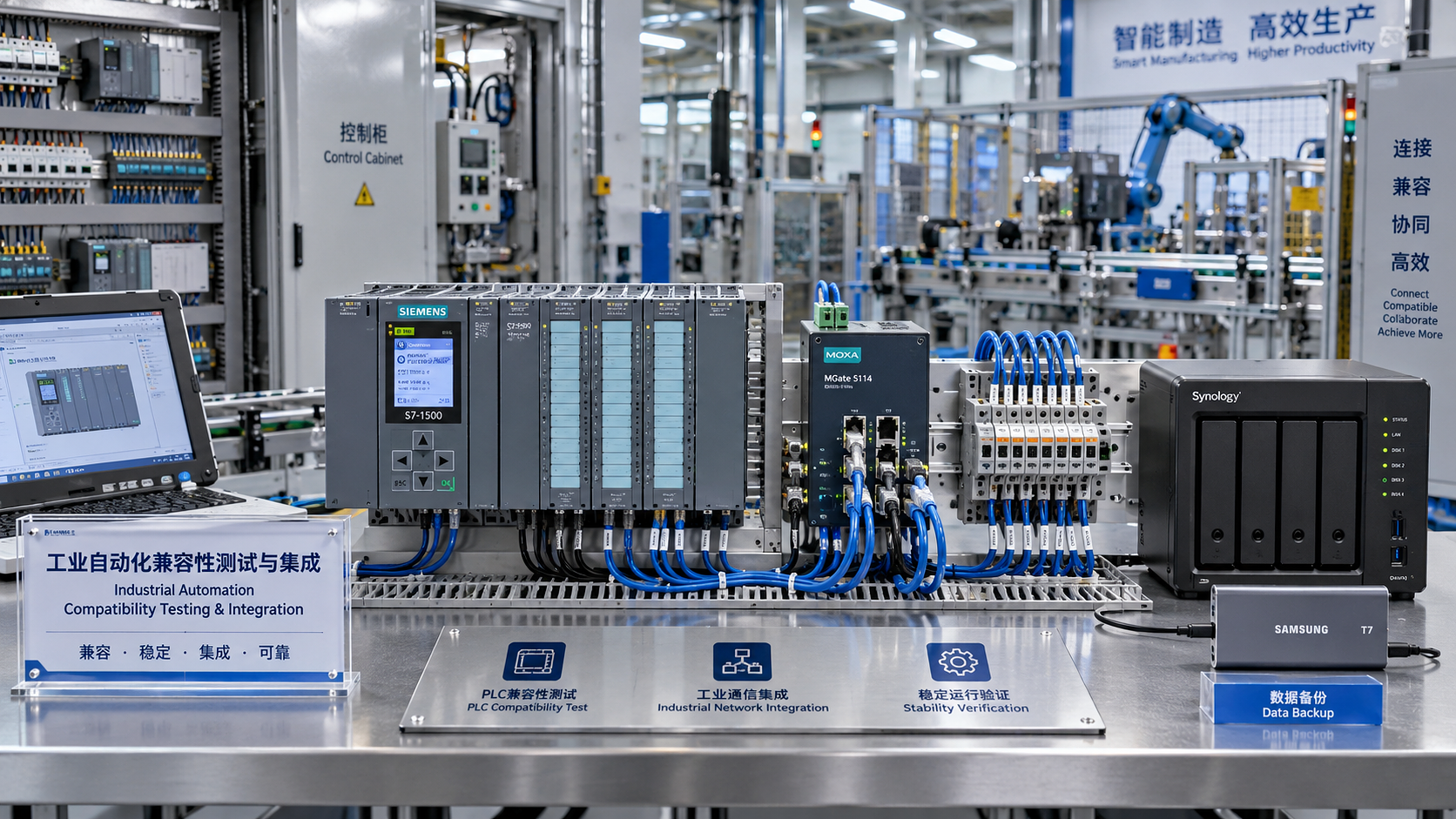
On July 9, 2026, U.S. Customs and Border Protection updated the classification treatment for certain smart industrial controllers by issuing Binding Ruling NY N339287. The ruling clarifies that programmable logic controllers (PLCs) equipped with AI-driven predictive maintenance features may move from HTSUS 8537.10 to 8471.49, a change that matters not only to U.S. importers but also to manufacturers, suppliers, compliance teams, and supply chain service providers handling industrial automation products. The reason this update deserves attention is that tariff classification affects duty exposure, the availability of Section 301 exclusions, and the risk of post-entry adjustments if product descriptions and supporting documents do not align.
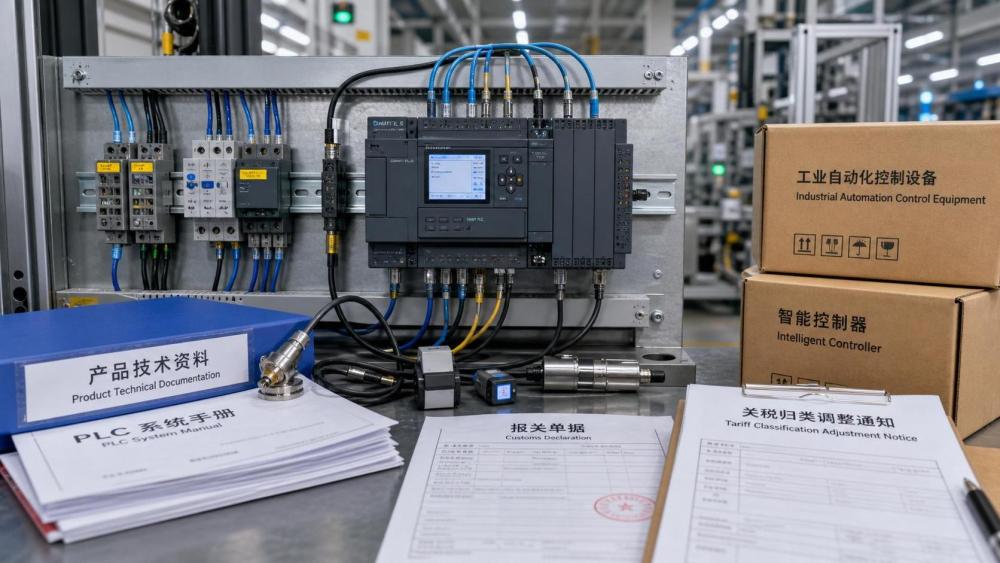
What CBP Confirmed in the July 9 Ruling
The confirmed facts are limited but commercially significant. CBP issued Binding Ruling NY N339287 on July 9, 2026 to clarify tariff classification for PLCs that include AI-driven predictive maintenance functions. According to the information provided, many such models are being shifted from HTSUS 8537.10 to 8471.49. The update affects duty rates and Section 301 exclusions. It also means U.S. importers need to re-evaluate existing classifications and verify supplier documentation to reduce the risk of post-entry adjustments.
Where the Business Impact Is Likely to Be Felt First
Import decisions and customs compliance will face immediate review
For direct trading companies and U.S. importers, the most immediate impact is at the point of tariff declaration and customs compliance. A classification change can alter landed cost assumptions and affect whether existing import treatment remains appropriate. What deserves closer attention is whether the technical description used in entry filings still matches the product as now understood under the ruling.
Manufacturers and suppliers will be drawn into documentation scrutiny
For equipment manufacturers and upstream suppliers, the issue is less about the ruling itself and more about how product functionality is described and evidenced. Because the clarification specifically concerns PLCs with AI-driven predictive maintenance features, supplier-side technical documents, specifications, and model descriptions may become more important in helping importers support classification decisions.
Supply chain service providers may need to revisit filing workflows
Customs brokers, trade compliance advisers, and other supply chain service providers may also be affected in practical terms. Their work can be impacted where existing classification assumptions, product databases, or entry preparation processes were built around the earlier treatment under 8537.10. Observably, the operational pressure here is on consistency between product attributes, supporting documents, and customs declarations.
Industrial buyers may see indirect effects in procurement discussions
For procurement teams and downstream industrial users, the impact is more indirect but still relevant. If classification treatment changes duty exposure or affects Section 301 exclusion status, procurement planning, supplier negotiations, and order timing may all require closer review. From an industry perspective, this is less a product performance issue than a trade treatment issue with commercial consequences.
What Companies Should Monitor Now
Re-check affected PLC models against current tariff logic
Companies handling smart PLCs should review whether any imported models with AI-driven predictive maintenance features were previously classified under 8537.10 and now need reassessment in light of NY N339287. The key practical issue is not to assume that older product mapping remains valid after the clarification.
Validate supplier documents before shipment and entry filing
Supplier documentation is now a central control point. Importers should pay close attention to how product functions are described in technical sheets, commercial invoices, and related support materials. Analysis shows that documentation gaps can become a direct source of post-entry adjustment risk when the classification outcome depends on described functionality.
Separate policy language from filing execution
Another important point is the distinction between a policy signal and day-to-day filing practice. A ruling may clarify treatment, but businesses still need to determine how that clarification applies to specific models, transaction documents, and customs declarations already in process. What deserves closer attention is whether internal compliance, purchasing, and logistics teams are working from the same product definitions.
Track downstream implications tied to Section 301 treatment
Because the provided information states that Section 301 exclusions may be affected, companies should watch for the practical implications of that linkage in their own import workflows. This is especially relevant where pricing, customer commitments, or sourcing decisions were built around an earlier tariff assumption.
Why This Looks Like More Than a Routine Classification Note
This section is analysis, not confirmed fact. Analysis shows that the ruling is better understood as a targeted customs signal around how intelligent functionality can influence classification treatment for industrial control equipment. It does not by itself establish a universal outcome for every controller, but it does suggest that the functional boundary between traditional control equipment and more computation-centered products is receiving closer scrutiny. For that reason, the development appears to be more than a short-lived procedural update, while still requiring continued observation before broader conclusions are drawn.
How to Read This Development at This Stage
At this stage, the most balanced reading is that CBP has created a practical compliance issue with wider trade implications for businesses handling smart industrial controllers. The immediate consequence is the need to review classification and supporting documents. The broader significance, based on observation rather than confirmed expansion, is that product intelligence and embedded features may play a more visible role in customs treatment going forward. It is more appropriate to understand this as a concrete near-term compliance change and a longer-term signal that still needs monitoring.
Basis of This Article and What Still Needs Verification
This article is based on the user-provided news title, event date, and event summary concerning CBP Binding Ruling NY N339287. For this type of industry update, commonly relevant source categories may include official government notices, company disclosures, industry association materials, authoritative media coverage, and standards-related documentation. No specific official source link was provided in the input, so the underlying official publication and any related follow-up materials still need to be continuously verified. Areas that warrant further monitoring include any additional official clarification, product-specific application in customs practice, and how businesses adjust supplier documentation and filing procedures in response.
Weekly Insights
Stay ahead with our curated technology reports delivered every Monday.
Recommended News
 Supply ChainOct 15, 2026How to choose a supply chain strategy for unpredictable demand
 Supply ChainOct 14, 2026How to assess an industrial equipment supplier's spare parts support
 Supply ChainOct 14, 2026EU Updates CSDDD Guidance on Global Supply Chain Due Diligence
 Global SourcingOct 13, 2026How to assess industrial automation suppliers for legacy integration