Industrial Import Export Compliance Risks That Delay Shipments
Industrial import export compliance becomes visible when shipments stop moving
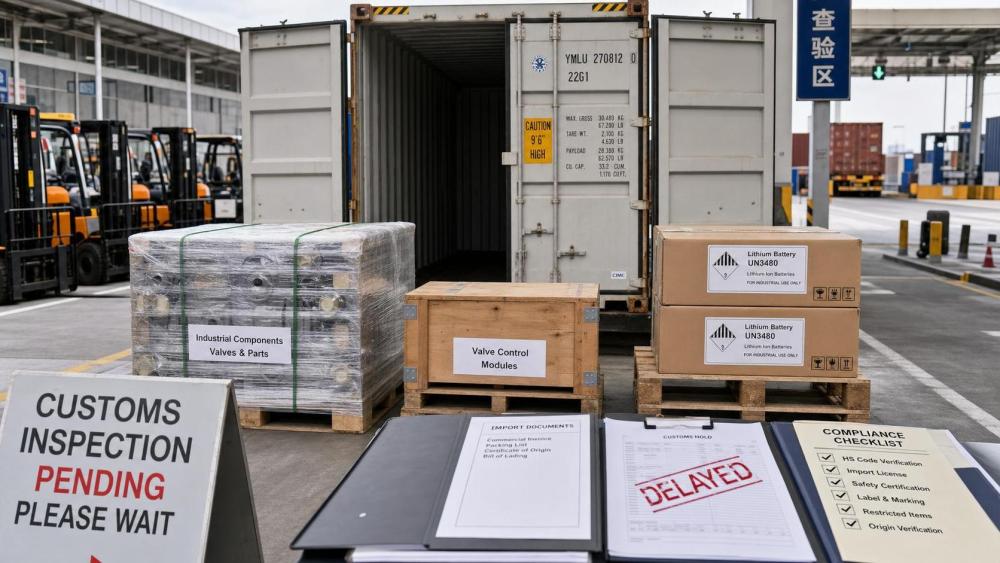
Industrial import export compliance rarely attracts attention during supplier onboarding. It becomes critical when cargo is held, relabeled, retested, or reassessed at the border.
That delay is not usually caused by one missing form alone. More often, it comes from a mismatch between product reality, declared data, routing choices, and local regulatory expectations.
In cross-border industrial trade, the same item can face very different checks depending on use, destination, and shipment structure. A motor, valve, coating, alloy part, or control module may look routine, yet trigger documentation scrutiny.
This is where industrial import export compliance shifts from a back-office function to a delivery-risk variable. Timing, landed cost, and supplier reliability all start to depend on it.
GTIIN follows these patterns across global sourcing, export trends, industry standards, and supply chain resilience. That wider lens matters because customs delays often reflect deeper structural issues, not isolated clerical mistakes.
Why one compliance checklist does not fit every shipment
The main mistake is treating industrial import export compliance as a universal document pack. In practice, compliance risk changes with product complexity, regulatory sensitivity, and how clearly the end use can be evidenced.
A bulk material shipment and a precision automation component do not fail for the same reasons. One is often exposed to classification, origin, and environmental declarations. The other may face testing, labeling, or dual-use review.
Route design also matters. Goods moving through transshipment hubs can inherit extra screening pressure, especially when trade controls, sanctions, or anti-circumvention rules are actively enforced.
The better judgment method is to ask three practical questions early: what exactly is being shipped, how will authorities interpret it, and where does the declared data become vulnerable?
Different cargo profiles create different delay patterns
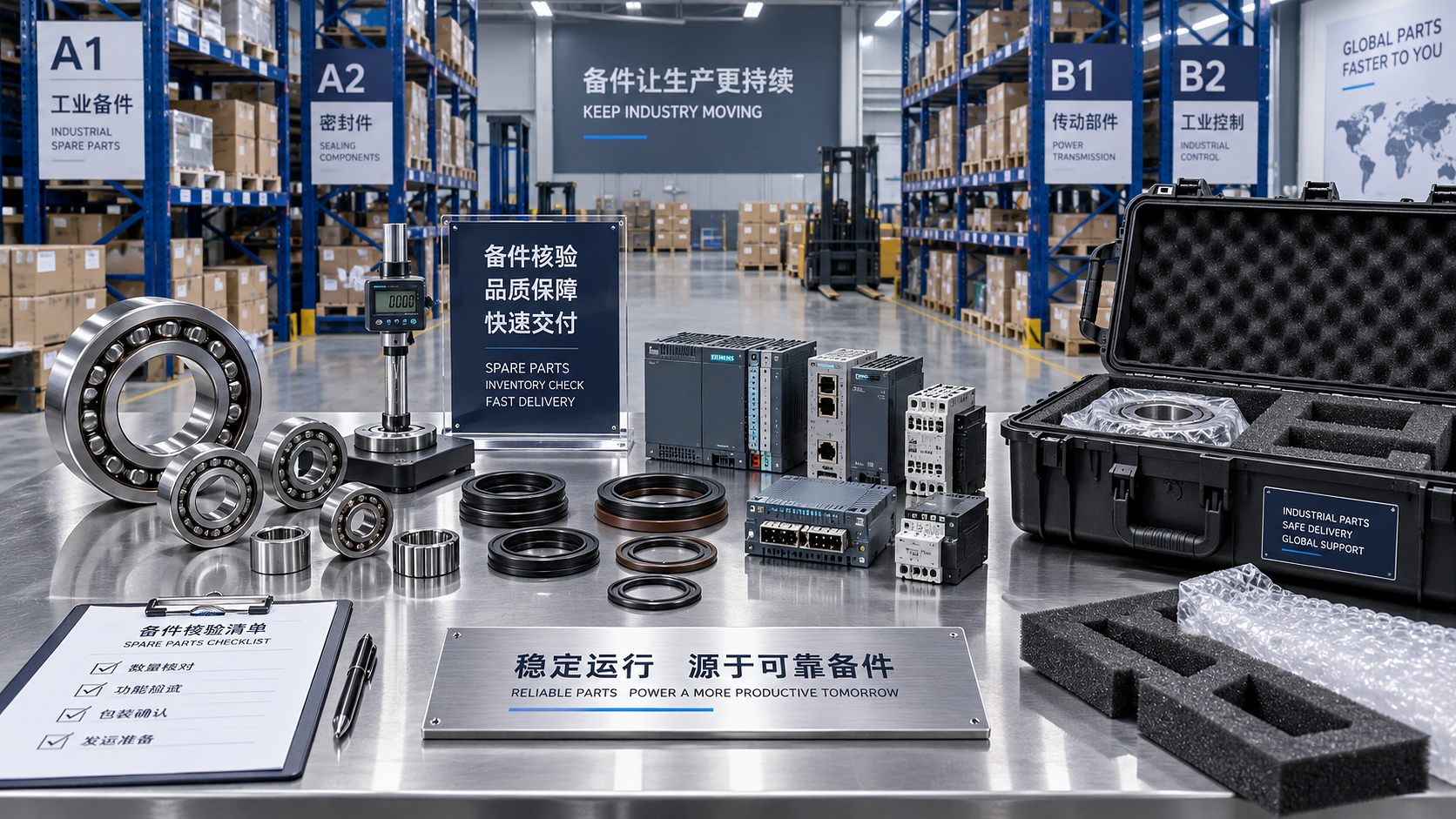
For heavy equipment and spare parts, customs often focuses on tariff classification, technical descriptions, and whether components are declared consistently across invoices, packing lists, and certificates.
For chemicals, coatings, batteries, and treated materials, the pressure point is usually safety, environmental, and transport compliance. A correct HS code alone will not prevent a hold.
For electronics and industrial controls, the issue is often whether the item falls under certification, EMC, radio, cybersecurity, or export control review in a specific jurisdiction.
Where delays usually begin in real operating scenarios
In actual trade operations, delay risk often emerges before cargo leaves the factory. The warning signs are visible in technical files, commercial terms, packaging data, and origin documentation.
A common example is mixed industrial consignments. One container carries standard mechanical parts, electronic assemblies, maintenance chemicals, and branded accessories. The shipment looks efficient, but compliance treatment becomes uneven.
Authorities may clear the mechanical items quickly while isolating the battery pack or coated component. That partial hold disrupts delivery sequencing and creates downstream installation delays.
Another frequent scenario involves project cargo or urgent replacement parts. The commercial urgency pushes teams toward air freight or split shipments, yet the compliance file remains structured for normal ocean movement.
That mismatch matters. Transport mode can change dangerous goods obligations, packing declarations, and inspection intensity. Industrial import export compliance must be rebuilt around the actual route, not the original sourcing plan.
Jurisdiction changes often reshape the same product risk
The same industrial product can pass easily into one market and stall in another. Europe may prioritize environmental conformity and product documentation depth. The Middle East may focus more on certification recognition and local registration pathways.
In parts of Asia, customs efficiency can be high, but document inconsistency is still penalized sharply. In North America, origin claims and trade remedy exposure may receive closer examination.
That is why GTIIN’s cross-market mapping approach is useful. The risk is rarely the product alone. It is the product inside a specific legal, logistics, and documentation environment.
Different scenarios require different compliance priorities
The fastest way to improve industrial import export compliance is to separate scenarios by failure mode, not by broad product category alone.
The point is not to add more paperwork. It is to match the compliance workflow to the operational risk profile of the shipment.
The most expensive mistakes are usually judgment errors
Many shipment delays begin with assumptions that look reasonable internally. They fail because border authorities evaluate evidence differently from sourcing teams or suppliers.
- Assuming a previous clearance means future shipments are automatically compliant.
- Using commercial descriptions that are understandable to buyers but too vague for customs review.
- Focusing on product specifications while ignoring route-specific packaging and transport obligations.
- Treating near-identical components as one compliance case, despite different materials, coatings, or firmware.
- Relying on supplier certificates without checking market validity dates and recognition status.
Industrial import export compliance is especially vulnerable when engineering, logistics, and trade data are stored separately. Each team may be accurate on its own, while the shipment file remains inconsistent as a whole.
That is why shipment readiness should be judged as a combined evidence set. Product facts, legal declarations, and routing assumptions have to support each other.
A workable way to adapt compliance by shipment type
A useful industrial import export compliance process starts with segmentation. Not every shipment deserves the same level of review, but every shipment needs the right kind of review.
For recurring standard goods
Build a controlled master file with approved descriptions, HS logic, origin records, and destination-specific document rules. Reuse should be disciplined, not informal.
For technically sensitive or regulated items
Create a pre-shipment gate around technical parameters, certification status, and end-use evidence. Border delays are harder to solve after goods are already in motion.
For new markets or new routes
Run a localized document check before first dispatch. Small regulatory differences can invalidate a file that worked well elsewhere.
For project cargo and urgent replacements
Test whether urgency has changed declaration, packing, or licensing conditions. Speed often alters the compliance profile more than the product itself.
What to review next before shipment risk turns into delay
The practical next step is to map industrial import export compliance against actual shipment scenarios, not abstract policy categories.
Start with the lanes that already show customs friction, short delivery windows, or mixed cargo profiles. Then compare declared data, technical documents, route choices, and destination rules side by side.
Where GTIIN’s trade intelligence approach adds value is in connecting those micro-level shipment details with broader regulatory change, export trend shifts, and regional customs behavior.
A stronger compliance position usually comes from clearer product evidence, better market interpretation, and earlier route-specific checks. That is how industrial import export compliance stops being a hidden delay factor and becomes a planning advantage.
Before the next shipment cycle, review which products need deeper classification support, which destinations require local standard validation, and which routes expose the greatest documentation risk. Those answers are more actionable than a generic compliance checklist.
Weekly Insights
Stay ahead with our curated technology reports delivered every Monday.
Recommended News
 Supply ChainOct 15, 2026How to choose a supply chain strategy for unpredictable demand
 Supply ChainOct 14, 2026How to assess an industrial equipment supplier's spare parts support
 Supply ChainOct 14, 2026EU Updates CSDDD Guidance on Global Supply Chain Due Diligence
 Global SourcingOct 13, 2026How to assess industrial automation suppliers for legacy integration