
Suez Canal Surcharge Rises 18% as Asia-Europe Rates Jump
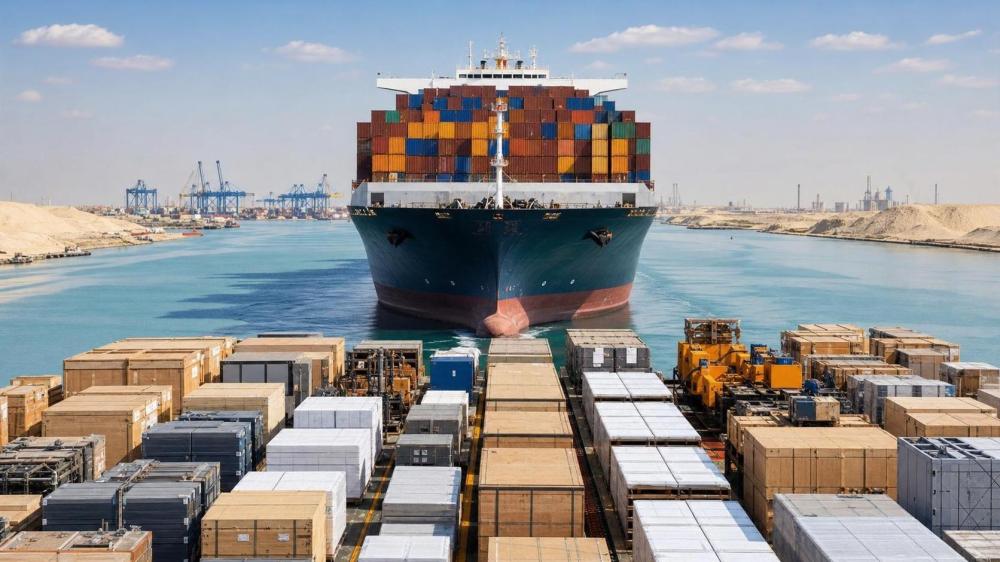
On July 1, 2026, the Red Sea shipping disruption moved into a more cost-sensitive phase as the Suez Canal Authority introduced an 18% additional transit charge and major carriers issued July rate adjustment notices at the same time. With the Shanghai-Rotterdam 40HQ spot rate climbing to $4,850 and reaching its highest level since October 2025, exporters of industrial goods such as machinery, building materials, and electronic equipment now face closer scrutiny over freight budgets, delivery timing, and contract execution across the Europe-bound supply chain.
What changed at the start of July
The Suez Canal Authority (SCA) announced on June 28, 2026 that, due to ongoing security threats and rising escort costs, an 18% additional transit fee would be imposed on all vessels passing through the canal from July 1, 2026.
At the same time, leading shipping companies including Maersk and CMA CGM released July freight rate adjustment notices. Against that backdrop, the Shanghai-Rotterdam 40HQ spot rate rose to $4,850, marking its highest level since October 2025.
The information provided indicates that this combination of higher canal charges and carrier rate increases is set to raise logistics costs and delivery uncertainty for exports of broad industrial goods, including machinery, construction materials, and electronic equipment, to Europe.
Where the pressure is likely to appear first
Cost exposure for exporters shipping to Europe
From an industry perspective, direct trading companies shipping industrial products to Europe are likely to feel the impact first because freight cost changes can quickly alter quoted prices, margin calculations, and shipment timing. What deserves closer attention is whether existing offers, pending orders, and near-term bookings can still absorb the higher transport burden.
Planning pressure for manufacturers and processors
Analysis shows that manufacturers and processors of machinery, building materials, and electronic equipment may face additional strain in production-to-delivery coordination. The issue is not only higher logistics expense, but also greater uncertainty around lead times, which can affect outbound scheduling, order prioritization, and customer delivery commitments.
Operational adjustments for supply chain service providers
For logistics service providers and other supply chain operators, the development points to a more volatile execution environment on Asia-Europe routes. Observably, the key pressure areas are likely to include route pricing updates, booking coordination, transit planning, and communication with cargo owners that need clearer expectations on timing and cost.
Procurement and delivery risk for European buyers
European-side buyers and downstream users may also need to monitor the change closely. Analysis shows that when freight rates and canal-related charges move at the same time, the consequences can extend beyond transport bills into procurement timing, replenishment plans, and acceptance of revised delivery schedules for industrial goods.
What companies should monitor now
Watch for further official wording and rule details
What deserves closer attention is whether subsequent official communications provide additional clarification on the application of the 18% surcharge. For companies with shipments around the implementation date, the practical issue is how the new charge is reflected in actual voyage costing and booking arrangements.
Recheck Europe-bound quotations and contract assumptions
Analysis shows that exporters should closely review quotations tied to Europe-bound industrial cargo, especially where freight was priced on earlier assumptions. The immediate concern is whether transport cost changes can still be passed through, partially absorbed, or require renegotiation with customers.
Focus on delivery promises, not only freight levels
Observably, the market signal here is not limited to higher prices. The provided information also points to rising uncertainty in delivery timing. Companies should therefore review order milestones, internal production handoffs, and customer-facing delivery commitments with more caution than they would in a stable freight environment.
Prepare documentation and customer communication early
From an industry perspective, firms handling machinery, building materials, and electronic equipment should be prepared for more frequent shipment updates and tighter coordination across sales, logistics, and customer service teams. The practical focus is on keeping booking status, shipment documents, and delivery communications aligned as route conditions and pricing adjust.
How this development is best understood
Analysis shows that this news should not be read as a standalone freight fluctuation. The combination of an SCA surcharge effective from July 1 and simultaneous carrier rate notices suggests that security-related cost pressure in the Red Sea and Suez transit chain is feeding directly into Asia-Europe shipping economics.
At the same time, it is more appropriate to understand this as a development that still requires continued observation rather than a fully settled long-term outcome. The facts provided confirm a clear rise in near-term cost and uncertainty, but they do not by themselves establish how long the current level of pressure will persist or how broadly it will spread across all cargo categories and contract structures.
Why the market cannot treat it as a routine adjustment
The industry significance of this update lies in its timing and transmission path: a canal charge increase and carrier pricing actions are appearing together, and the result is already visible in a higher Shanghai-Rotterdam spot rate. For companies exposed to Europe-bound industrial exports, the immediate takeaway is a tighter cost and delivery environment.
Current evidence supports a measured conclusion. This is best understood as a near-term operating signal with broader implications if similar pressure continues, rather than as a single isolated price move that can be ignored.
Basis of this article and what still needs verification
This article is based on the user-provided news title, event date, and event summary. For developments of this kind, commonly relevant source types include official notices, company announcements, industry association updates, authoritative media reporting, and related regulatory or standards documents.
No specific official source link was provided in the input, so the exact underlying documents and any later updates still require ongoing verification. Further attention should be paid to subsequent official statements from the SCA, additional carrier notices, and any changes that affect logistics cost execution or delivery timing on Asia-Europe shipments.
Tags
Weekly Insights
Stay ahead with our curated technology reports delivered every Monday.
Recommended News
 Supply ChainOct 15, 2026How to choose a supply chain strategy for unpredictable demand
 Supply ChainOct 14, 2026How to assess an industrial equipment supplier's spare parts support
 Supply ChainOct 14, 2026EU Updates CSDDD Guidance on Global Supply Chain Due Diligence
 Global SourcingOct 13, 2026How to assess industrial automation suppliers for legacy integration