Red Sea Risks Push Asia-Europe Freight Up 310%
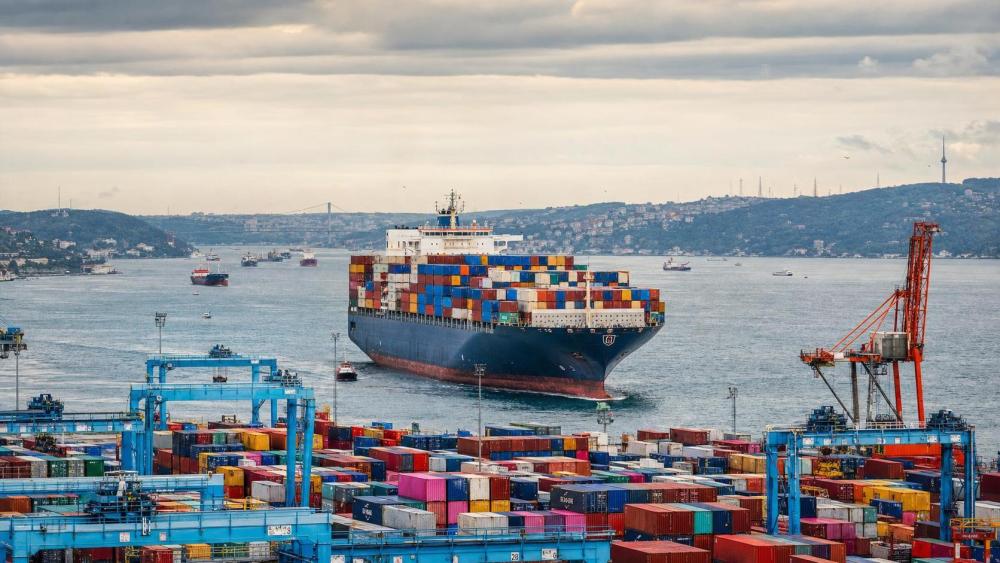
On July 12, 2026, the latest Red Sea shipping disruption moved beyond a rate spike into a broader supply chain warning for Asia-Europe trade. Freightos Baltic Index (FBX) data showed Shanghai-to-Rotterdam container rates reaching $6,840 per FEU, up 310% year on year, as intensified Houthi naval threats and confirmed drift mine deployments in the Bab al-Mandeb Strait raised operating risk. For importers, exporters, manufacturers, logistics providers, and procurement teams, the issue is not only higher freight cost but also longer and less predictable transit times that can pressure inventory planning and delivery commitments.
What the July 12 update confirms
The confirmed facts are limited but commercially significant. According to the input provided, FBX recorded a Shanghai-to-Rotterdam rate of $6,840/FEU on July 12, 2026, representing a 310% year-on-year increase. The stated drivers were intensified Houthi naval threats and confirmed drift mine deployments in the Bab al-Mandeb Strait.
The same input also states that alternate Cape Horn routing adds 14 to 18 days of transit time. This extension is described as putting pressure on just-in-time procurement and prompting a reassessment of sourcing resilience across supply chain and market trend discussions.
Where the pressure is likely to be felt first
Trade-facing shippers and import-export operations
From an industry perspective, companies directly moving goods between Asia and Europe are likely to face the most immediate exposure. The impact is likely to appear first in freight budgeting, booking decisions, delivery windows, and contract execution, because a rate jump of this scale changes landed-cost assumptions quickly. What deserves closer attention is whether shipment timing, margin structure, and customer commitments can still hold under longer and potentially less stable routing conditions.
Procurement and inventory planning teams
Analysis shows that procurement teams working with just-in-time models may be especially sensitive to the additional 14 to 18 days cited for alternate routing. The operational issue is not simply delay in transit, but the knock-on effect on reorder cycles, safety stock decisions, and internal production scheduling. Buyers and planners should pay close attention to which materials or finished goods have the least buffer in the current supply chain.
Manufacturing and processing businesses
For manufacturers reliant on inbound components or raw materials moving on Asia-Europe lanes, the likely pressure point is continuity rather than freight cost alone. Observably, longer transit windows can affect line planning, batch scheduling, and outbound delivery coordination. The key variable to monitor is whether transport disruption starts to alter input availability at specific stages of production.
Logistics and supply chain service providers
Service providers may face rising demand for routing adjustments, schedule communication, and contingency support. In practical terms, the business pressure could concentrate in customer updates, transit-time management, and exception handling. What deserves closer attention is how quickly service promises need to be reset when route risk and cost volatility move at the same time.
What companies should watch now
Freight cost changes versus delivery risk
Companies should separate two issues that are often discussed together but managed differently: the direct increase in freight rates and the operational effect of longer voyages. A higher freight bill can be priced, negotiated, or absorbed in part; a longer transit cycle affects inventory, replenishment timing, and customer service performance in a different way.
Exposure by product, route, and commitment window
Analysis shows that not every shipment will carry the same operational risk. The immediate priority is to identify which product lines, customer orders, or sourcing flows are most exposed to Asia-Europe lead-time extension. Businesses should focus on orders with tight fulfillment windows, limited substitute supply, or low inventory cover.
Supplier and customer communication discipline
Where supply chains depend on synchronized schedules, communication quality becomes a practical control point. Procurement, sales, and logistics teams should monitor whether supplier confirmations, shipment documents, and promised delivery dates remain aligned with current routing conditions. The issue is less about broad messaging and more about avoiding mismatched assumptions in active orders.
Ongoing verification of route-related developments
Because the input ties the disruption to confirmed drift mine deployments and intensified naval threats, businesses should continue verifying later official statements and market updates before locking in broader operational assumptions. Policy language, security developments, and actual shipping practice do not always move at the same pace, so execution decisions should be updated with care.
Why this matters beyond a single rate move
Observably, this development should not be read only as a spot freight story. It also signals how fast geopolitical and maritime security risk can reshape cost and lead-time assumptions on a core Asia-Europe corridor. That said, it is more appropriate to understand the current update as a live supply chain stress signal rather than a settled long-term outcome, because the confirmed information in hand is specific to the July 12 rate level, the stated security drivers, and the cited transit-time extension.
From an industry perspective, the deeper significance lies in sourcing resilience. The input explicitly notes that the disruption is forcing a reevaluation of sourcing resilience, which suggests that firms may need to examine not just transport procurement but the broader dependency structure behind time-sensitive trade flows.
How to read the current signal
The industry meaning of this update is clear even within a narrow fact set: Asia-Europe supply chains are facing a combination of cost inflation and time extension linked to Red Sea security conditions. That combination matters more than either factor alone, because it touches commercial planning, procurement rhythm, and service reliability at the same time.
At this stage, it is more appropriate to understand the situation as a material short-term disruption with possible longer-term implications that still require observation. The facts already justify closer operational attention, but broader conclusions about lasting structural change should remain conditional on subsequent route, security, and freight developments.
Basis of this article and follow-up verification
This article is based on the user-provided news title, event date, and event summary. The specific official source link was not provided in the input, so the underlying details still require ongoing verification against the kinds of sources typically used for this category of development, including official notices, company disclosures, industry association updates, authoritative media reporting, and related market tracking information.
For continued monitoring, the most relevant follow-up areas are later official statements, subsequent freight-rate movements, and any further changes affecting transit time or routing practice on Asia-Europe shipments.
Tags
Weekly Insights
Stay ahead with our curated technology reports delivered every Monday.
Recommended News
 Supply ChainOct 15, 2026How to choose a supply chain strategy for unpredictable demand
 Supply ChainOct 14, 2026How to assess an industrial equipment supplier's spare parts support
 Supply ChainOct 14, 2026EU Updates CSDDD Guidance on Global Supply Chain Due Diligence
 Global SourcingOct 13, 2026How to assess industrial automation suppliers for legacy integration