Sustainability Reporting: What Companies Need to Track in 2026
As 2026 draws closer, sustainability reporting is moving from a disclosure exercise to a management discipline. Regulatory pressure is rising, investor questions are sharper, and supply chain volatility now exposes weak environmental and social data as quickly as weak financial controls.
That shift matters across industries because reporting is no longer limited to annual carbon totals. It now touches sourcing decisions, supplier continuity, trade exposure, product design, capital planning, and the credibility of operational data used in board-level decisions.
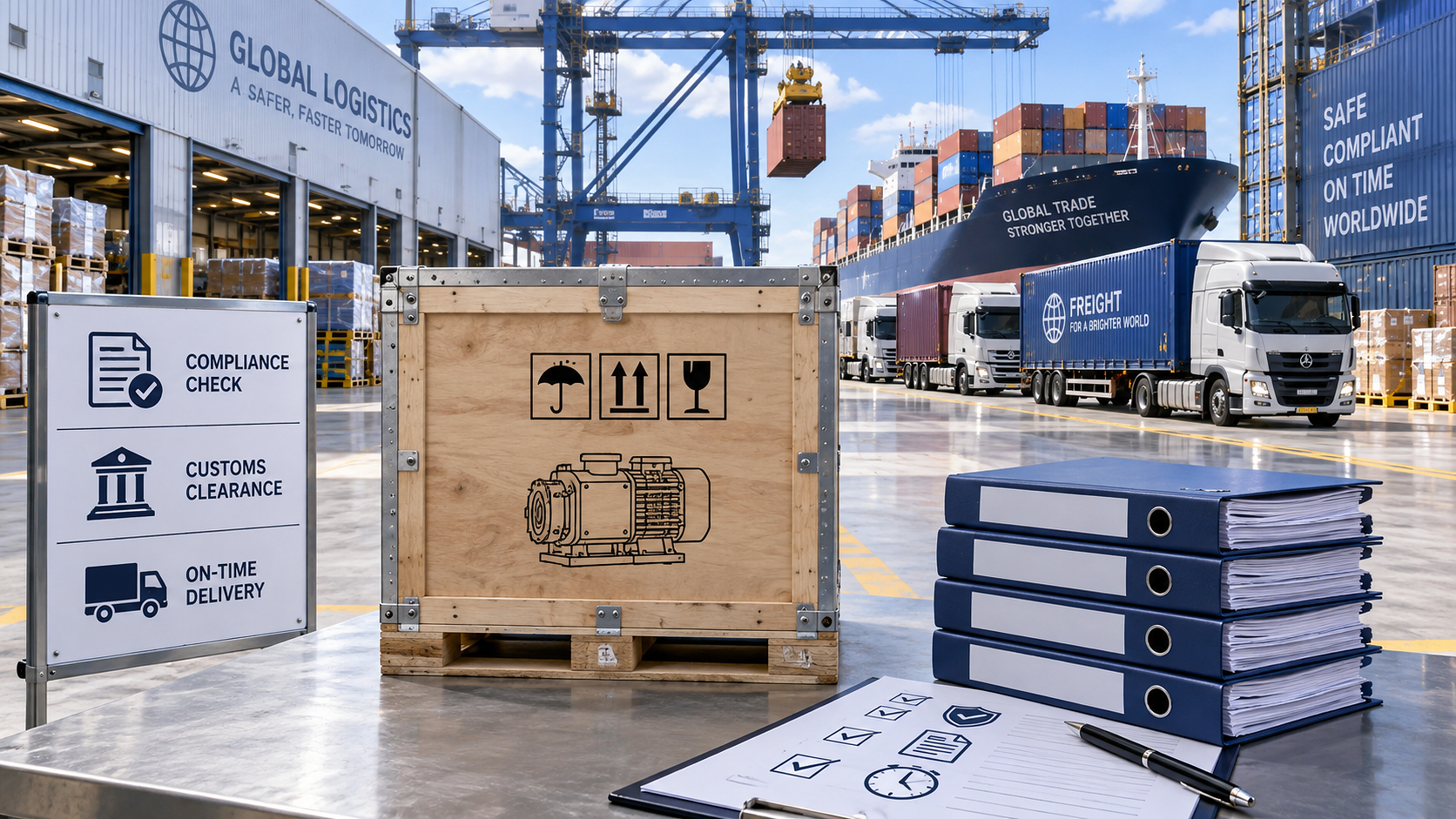
For companies operating across borders, the issue is even broader. Reporting must connect climate metrics, procurement realities, logistics performance, and compliance obligations in a way that reflects how industrial value chains actually work.
Why sustainability reporting looks different in 2026

The biggest change is not the existence of standards. It is the expectation that reported figures must support strategic action. A company may publish a polished report, yet still fall short if the underlying data cannot guide sourcing, investment, or risk response.
In practice, sustainability reporting in 2026 sits at the intersection of finance, operations, and trade intelligence. Carbon disclosures influence market access. Water stress affects facility planning. Supplier labor practices affect customer contracts. Product footprints shape export competitiveness.
This is especially visible in sectors tied to global commodities, industrial manufacturing, energy transition equipment, and cross-border procurement. Companies need a reporting structure that captures both direct impacts and upstream dependencies.
What the term really covers now
At its core, sustainability reporting is the structured disclosure of environmental, social, and governance performance. In 2026, however, the useful version goes further. It explains what a business tracks, why those indicators matter, and how performance changes influence resilience and commercial decisions.
A credible system usually combines three layers. The first is compliance reporting. The second is operational measurement. The third is decision relevance, meaning whether the numbers can change behavior inside sourcing, production, transport, and supplier management.
That is where many companies still struggle. They collect data for disclosure, but not in a form that helps them compare sites, monitor supplier risk, or anticipate trade-related cost shifts.
The metrics companies need to track more closely
The headline indicators remain important, but they are not enough on their own. Sustainability reporting now depends on a wider set of linked metrics.
Core environmental indicators
- Scope 1 and Scope 2 emissions, with consistent boundaries across sites and business units.
- Scope 3 emissions, especially purchased goods, transport, use-phase impacts, and end-of-life treatment.
- Energy mix, including renewable sourcing quality rather than broad percentage claims alone.
- Water withdrawal, water intensity, discharge quality, and facility exposure to local water stress.
- Waste generation, recovery rates, hazardous waste handling, and circular material performance.
Supply chain and trade-sensitive indicators
For internationally exposed businesses, the reporting gap often sits upstream. The most decision-useful indicators are those that connect procurement and logistics to sustainability outcomes.
- Supplier emissions coverage and the percentage of spend linked to verified sustainability data.
- Country-level sourcing risk, including carbon intensity, regulatory exposure, and customs disruption.
- Freight emissions by route, mode, and lane volatility rather than annual estimates only.
- Material traceability for high-risk commodities, recycled content, and origin verification.
- Supplier audit findings tied to labor conditions, environmental controls, and remediation progress.
Data integrity indicators
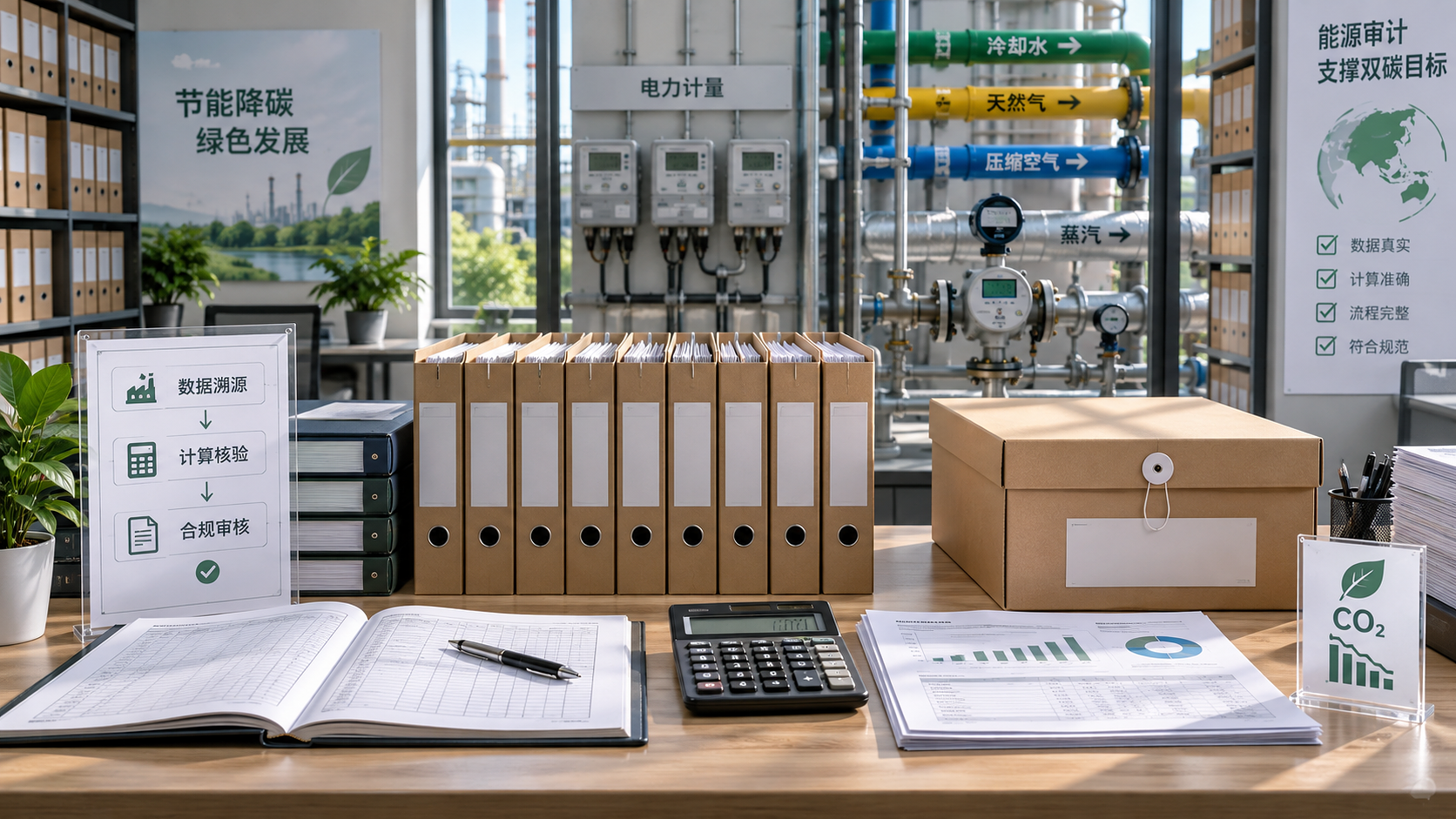
More boards now ask whether the data can withstand assurance, customer review, or regulatory inspection. That makes internal data quality a reporting metric in its own right.
Industry context matters more than generic disclosure
A useful sustainability reporting framework should not treat every sector the same. Heavy industry, electronics, food systems, packaging, chemicals, and logistics each carry different material risks and reporting priorities.
A cross-border industrial perspective makes that clear. Carbon intensity may dominate in steel or cement. Water resilience may lead in textiles or food processing. Traceability and labor controls may sit at the center of electronics assembly or agricultural sourcing.
This is where macro trade intelligence becomes useful. A reporting team needs more than internal records. It also needs visibility into export trends, regional compliance shifts, freight patterns, and evolving industrial standards across sourcing markets.
That broader lens, similar to the analytical model used by GTIIN across supply chain, market trend, and standards monitoring, helps companies avoid reporting in isolation from real operating conditions.
Where reporting creates business value
The value of sustainability reporting is not limited to reputation. When the system is built well, it improves commercial judgment in several practical ways.
- It identifies hidden cost exposure in energy use, transport intensity, and waste-heavy production lines.
- It improves supplier selection by comparing environmental and compliance performance alongside price and lead time.
- It supports market access where customers require verified disclosure and product-level footprint evidence.
- It strengthens resilience by revealing dependence on high-risk materials, geographies, or logistics corridors.
- It gives capital planning a clearer basis for site upgrades, process redesign, and cleaner technology investment.
In other words, better sustainability reporting can change operational priorities before external pressure forces a reaction.
Common reporting blind spots
Many reporting programs still miss the same issues. One is overreliance on spend-based estimates when physical activity data is available but not integrated. Another is treating supplier questionnaires as proof, even when verification is weak.
A third blind spot is failing to connect sustainability reporting with trade-related regulation. Carbon border measures, due diligence rules, and customer disclosure requirements can reshape margin and sourcing flexibility faster than expected.
There is also a governance problem. If operations, procurement, finance, and compliance teams each own part of the data, gaps appear quickly unless definitions and accountability are aligned.
How to build a stronger tracking approach now
A practical upgrade does not begin with more metrics. It begins with sharper materiality and clearer decision use. Companies usually make faster progress when they focus on the indicators that affect cost, continuity, compliance, and customer access.
Several steps tend to make sustainability reporting more useful:
- Map high-impact facilities, materials, and suppliers before expanding disclosure volume.
- Separate measured data from modeled data in every major reporting category.
- Track supplier coverage by spend, region, and risk, not by supplier count alone.
- Align sustainability indicators with procurement, logistics, and capital review processes.
- Monitor regulatory and export-market changes that could alter reporting boundaries or costs.
Companies with complex international footprints should also compare their internal data against external market intelligence. That helps validate assumptions on emissions factors, freight patterns, sourcing shifts, and region-specific compliance exposure.
What to evaluate next
By 2026, strong sustainability reporting will be defined less by presentation quality and more by operational truth. The companies that move ahead are usually the ones that know which indicators drive risk, which suppliers need closer scrutiny, and which data points can stand up to external review.
The next step is not simply producing a longer report. It is testing whether current metrics are decision-ready across sourcing, trade, production, and compliance. That assessment often reveals where better visibility can improve resilience before pressure intensifies.
A useful starting point is to review reporting boundaries, supplier data quality, and sector-specific risk exposure together. From there, sustainability reporting becomes less of a disclosure burden and more of a structured basis for better decisions.
Weekly Insights
Stay ahead with our curated technology reports delivered every Monday.
Recommended News
 Supply ChainSep 22, 2026How heavy equipment lifecycle data can reduce unexpected downtime
 Supply ChainSep 21, 2026How export regulations affect logistics lead times and delivery risk
 Industry StandardsSep 20, 2026What evidence is needed to pass a carbon reporting audit?
 Industry StandardsSep 19, 2026When does manufacturing compliance consulting reduce audit risk?