When does manufacturing compliance consulting reduce audit risk?
Manufacturing compliance consulting reduces audit risk when a company’s written policies, production reality, and externally required evidence have started to drift apart. That drift is common. A plant may have a quality manual, approved procedures, competent operators, and years of acceptable output—yet still struggle in an audit because records are incomplete, changes were not formally assessed, supplier controls are inconsistent, or a corrective action was closed without proving that it worked.
For quality and safety teams, the point is not to hire a consultant merely because an audit date is approaching. Good manufacturing compliance consulting is most valuable when it helps the organization turn a broad regulatory or certification requirement into controls that can actually survive a shop-floor interview, a document review, and a traceability test. The audit then becomes less of a one-week scramble and more of a check on a system that has been operating in plain sight.
The clearest signal: requirements have changed faster than internal controls
Consulting is justified when the compliance landscape has moved but the management system has not. This may happen after entering a new export market, adding a controlled material, changing a production process, outsourcing a critical operation, or receiving new customer flow-down requirements. It also happens when sustainability, product-safety, chemical, labor, customs, or environmental obligations begin to affect manufacturing decisions that were once handled only by procurement or legal teams.
The gap is rarely as obvious as a missing policy. More often, it appears in the connection between functions. Procurement may collect supplier declarations but not confirm their validity period. Engineering may revise a drawing without triggering a review of inspection instructions. EHS may conduct training but lack a practical method for confirming that contractors follow site rules. Quality may maintain nonconformance records, while production continues to use a workaround that was never formally authorized.
An auditor does not need to prove that every weakness caused a defective or unsafe product. A credible audit finding can arise when the organization cannot demonstrate control. That is why compliance work should focus on evidence chains: requirement, owner, operating control, record, review, and response when the control fails.
Audit risk is usually concentrated at handoffs, not in the policy manual
Most mature manufacturers do not lack documents. They lack alignment between documents and decisions made under pressure. A late shipment, a machine breakdown, a material substitution, or a shortage of qualified labor can expose whether the system is genuinely controlled. In practical terms, audit risk often sits at the handoff between purchasing and incoming inspection, maintenance and production release, design change and process validation, or warehouse labeling and shipment documentation.
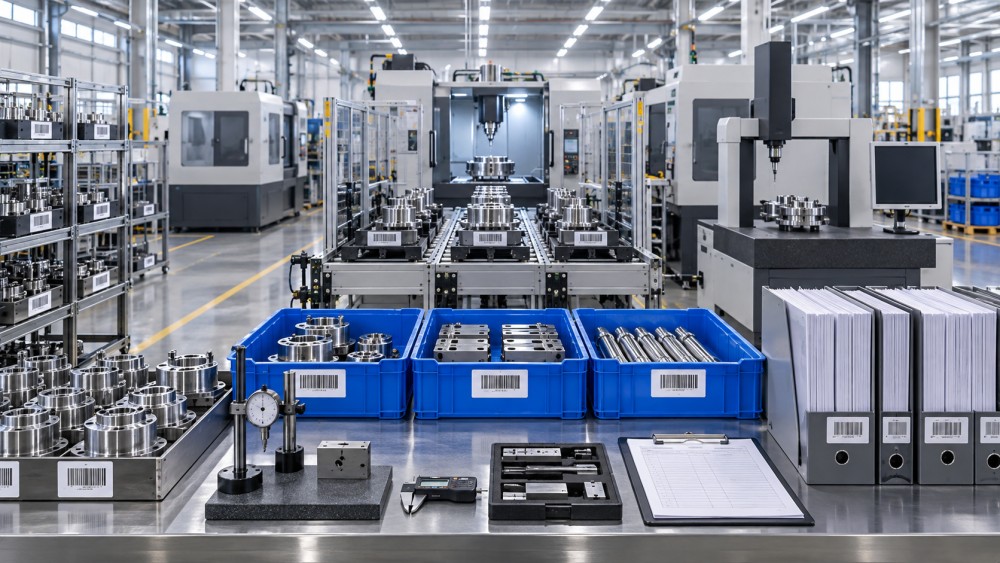
A useful consultant does not begin by rewriting every procedure. They trace a few high-risk flows from beginning to end. For example, they may follow one purchased component from supplier approval through receiving inspection, lot identification, use in production, final release, and customer documentation. If a lot number disappears halfway through the process, the issue is not simply “poor traceability.” It may point to barcode design, operator habits, ERP configuration, rework controls, or a poorly defined material-status system.
This approach matters because broad statements such as “all suppliers are evaluated” or “employees are trained” are weak audit evidence on their own. The difficult questions are more specific: evaluated against what criteria, by whom, at what frequency, and what happens when a supplier or worker no longer meets the requirement?
When external expertise has a measurable effect
Manufacturing compliance consulting tends to reduce audit risk in a few distinct situations. The common thread is that internal teams need an independent, technically grounded view before an auditor, customer, regulator, or certification body forms one for them.
- A site is preparing for an initial certification audit or a recertification after major operational changes.
- The company has repeated findings in areas such as document control, calibration, supplier oversight, corrective action, or training effectiveness.
- A manufacturer is expanding cross-border sourcing and cannot clearly map which product, material, origin, environmental, or safety requirements apply to each supply route.
- A customer audit is expected to go beyond a generic management-system review and examine specific production records, process controls, or subcontractor management.
- Leadership suspects that a system is being maintained for audits rather than used to govern day-to-day work.
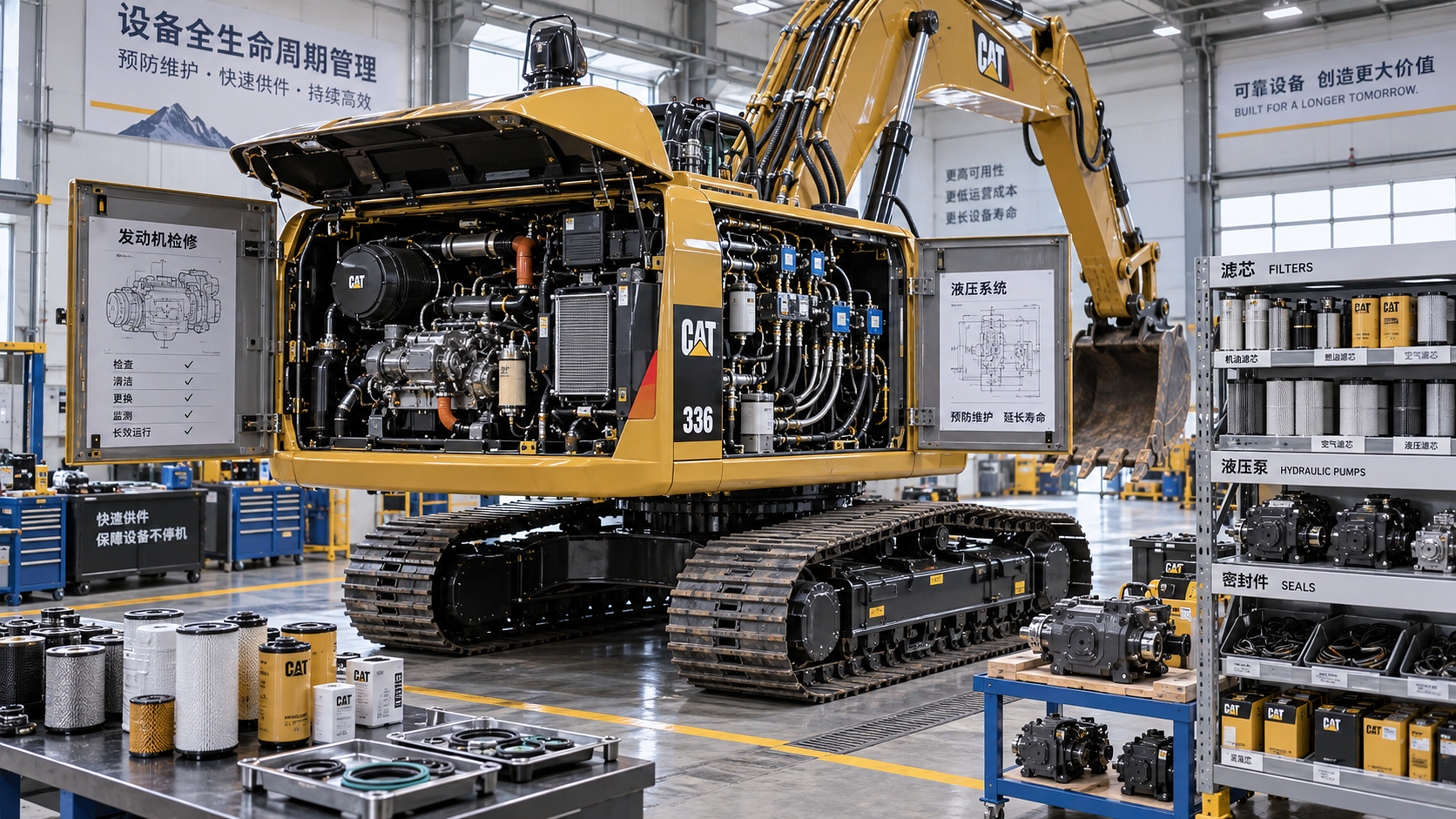
The consultant’s value is not simply familiarity with a standard’s clauses. It is the ability to interpret what those clauses mean in a particular operating environment. A precision-machining facility, a food-contact packaging operation, and a heavy-equipment assembly plant may all use controlled documents and approved suppliers, but their failure modes are different. The control plan has to reflect that difference.
A pre-audit review should test evidence, not just documents
The strongest pre-audit engagements resemble a targeted system stress test. They combine document review with floor observation, record sampling, interviews, and a review of unresolved risks. A consultant should be able to ask an operator to explain the current revision of a work instruction, then check whether the instruction matches the actual machine setup. They should compare a calibration register with instruments in use, examine whether expired or damaged gauges are controlled, and test whether records are legible, attributable, and retrievable.
Corrective action deserves particular attention. Many organizations can show a corrective action log. Fewer can demonstrate that they identified the true cause, contained the immediate issue, implemented an appropriate action, and verified effectiveness after enough time had passed. Closing actions because a deadline has arrived is a familiar source of repeat findings. A consultant can help distinguish between a correction—such as replacing an incorrect label—and corrective action that addresses why the labeling control failed.
Cross-border operations make compliance evidence harder to maintain
For global manufacturers, audit readiness is rarely confined to one facility. Material specifications may originate in one country, manufacturing in another, final assembly elsewhere, and product shipment into several regulatory markets. The physical supply chain introduces its own complications: port delays may alter storage conditions; an alternative freight route may change handling exposure; a substitute supplier may have different declarations, test methods, or origin documentation.
This is where a supply-chain view becomes useful. GTIIN’s work across global sourcing, industrial standards, trade intelligence, and supply-chain resilience highlights a point that quality teams sometimes discover too late: a compliance file can be technically complete and still be operationally fragile if it depends on unverifiable upstream information. The more tiers involved in a supply network, the more important it becomes to identify which records are supplier-provided, which are internally verified, and which must be refreshed when materials, routes, or regulations change.
For example, environmental and carbon-related reporting expectations can require information that manufacturing teams historically did not collect at product or batch level. The EU Carbon Border Adjustment Mechanism is one example of a policy area that has prompted many cross-border businesses to reassess data ownership and supplier engagement. Its relevance depends on the goods, trade flows, reporting period, and current legal requirements, so companies should not assume that a general sustainability report is sufficient. The more useful question is whether the organization can trace its required inputs back to reliable sources and explain its calculation or verification method.
Do not confuse an audit rehearsal with a durable compliance system
There is a narrow form of consulting that can be helpful: preparing teams to understand audit etiquette, locate records, and answer truthfully without speculation. But a “clean-up week” before an audit has limits. Backfilling training files, rapidly revising procedures, or closing long-open corrective actions without evidence may create more risk if an auditor notices inconsistencies in dates, version histories, or interviews.
The better outcome is a prioritized remediation plan. Not every gap has equal consequence. A missing signature on a low-risk administrative record should not automatically receive the same attention as an uncontrolled process change affecting product safety, a lapsed statutory permit, or incomplete traceability for a critical material. Consultants should help teams rank issues by regulatory exposure, customer impact, product risk, recurrence, and the likelihood that the weakness exists across multiple sites.
That prioritization also prevents an expensive mistake: overengineering the system. A compliance process that requires five approvals for a routine, low-risk change may encourage people to bypass it. Controls need enough discipline to be defensible, but enough practicality to be used during a difficult production shift.
Choosing the right scope for manufacturing compliance consulting
Before engaging external support, define the audit risk in operational terms. “We need to be compliant” is too broad to guide useful work. A stronger brief might identify a planned certification audit, a problematic customer finding, a new export market, a high-risk supplier category, or concern that safety procedures are not consistently followed by contractors and temporary workers.
Ask prospective consultants how they will validate implementation. If the answer is limited to reviewing manuals and issuing a gap list, the work may not reach the controls that matter most. A capable engagement should leave behind clear ownership, realistic action dates, criteria for evidence of completion, and a method for checking whether each action has worked. It should also respect independence requirements: consulting support is not the same as certification, and organizations should understand the role boundaries of any party involved in assessment or certification activities.
Audit risk falls when people closest to the work can explain what they do, why they do it, and where the evidence sits—without relying on a consultant to speak for them. That is the practical test. If an external review helps build that level of control across the factory and its supply chain, it has done more than prepare the business for an audit; it has exposed the weak points before they become a product, safety, or trade disruption.
Weekly Insights
Stay ahead with our curated technology reports delivered every Monday.
Recommended News
 Supply ChainSep 22, 2026How heavy equipment lifecycle data can reduce unexpected downtime
 Supply ChainSep 21, 2026How export regulations affect logistics lead times and delivery risk
 Industry StandardsSep 20, 2026What evidence is needed to pass a carbon reporting audit?
 Industry StandardsSep 19, 2026When does manufacturing compliance consulting reduce audit risk?