Quality Standards Comparison: Which Ones Matter Most in Production
Quality Standards Comparison: Which Ones Matter Most in Production
In production, not all quality standards carry equal weight.
Some protect market access.
Some stabilize process control.
Others reduce safety exposure, warranty costs, and supplier disputes.
That is why a practical quality standards comparison matters.
When teams treat every standard as equally important, resources get diluted.
When they prioritize correctly, defects drop and audit readiness improves.
Why a Quality Standards Comparison Matters in Real Production
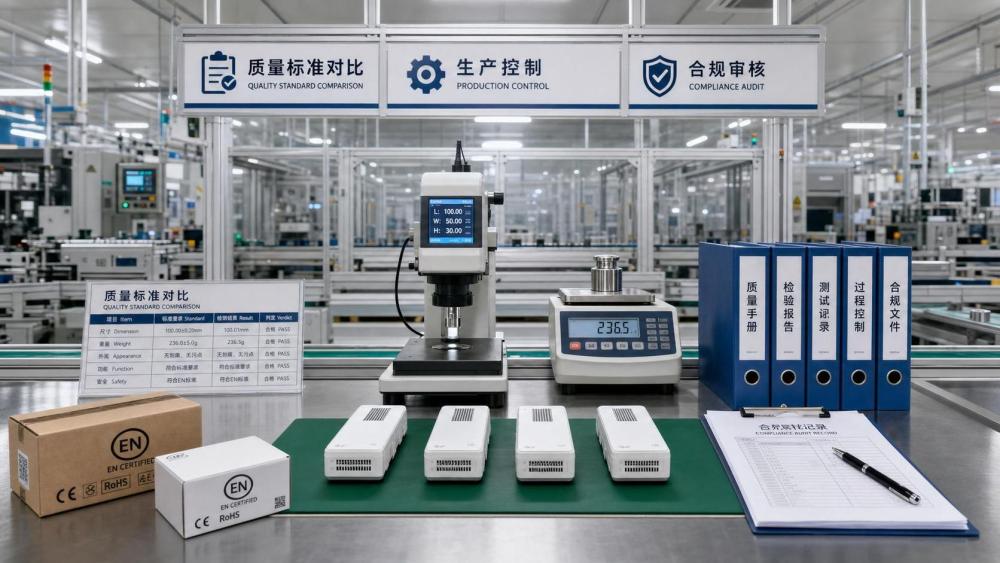
In real factories, standards affect more than paperwork.
They shape supplier approval, incoming inspection, process validation, traceability, and recall response.
From a broader trade view, they also influence export eligibility and customer trust.
A strong quality standards comparison helps separate universal standards from sector-specific requirements.
It also shows where compliance drives actual performance.
That distinction matters, especially in cross-border sourcing and multi-site production.
- It clarifies which standards are mandatory for market entry.
- It reveals which standards improve consistency and yield.
- It highlights where supplier capability may be overstated.
- It supports smarter investment in audits, testing, and training.
The Core Standards That Usually Matter Most
Not every operation needs the same framework.
Still, several quality standards repeatedly shape production outcomes across industries.
ISO 9001: The Broadest Operational Baseline
ISO 9001 remains the most common reference in any quality standards comparison.
It does not guarantee a perfect product.
What it does provide is a disciplined management system.
That includes document control, corrective action, internal audits, and risk-based thinking.
If a supplier lacks ISO 9001, inconsistency often shows up elsewhere.
ISO 14001 and Environmental Control
Production risk now includes environmental risk.
ISO 14001 becomes important when waste handling, emissions, or chemical management affect continuity.
In export-focused sectors, this standard increasingly supports procurement screening.
It may not sit at the top of every quality standards comparison.
But its influence keeps growing.
ISO 45001 and Production Safety Stability
Safety incidents disrupt output as quickly as quality failures.
ISO 45001 matters where machinery, lifting, heat, dust, or hazardous materials are involved.
In practical terms, it reduces downtime, legal exposure, and hidden process instability.
Industry-Specific Standards Carry More Weight in Regulated Sectors
A serious quality standards comparison cannot stop at generic systems.
Sector rules often matter more than broad certifications.
- IATF 16949 for automotive production and supplier discipline.
- AS9100 for aerospace traceability and risk control.
- ISO 13485 for medical devices and documented compliance.
- HACCP or ISO 22000 for food-related manufacturing environments.
If your end market requires one of these, it usually outranks general quality standards.
How to Compare Quality Standards by Production Impact
The best quality standards comparison is not theoretical.
It should match the real pressure points in your operation.
1. Compliance Risk
Ask which standards determine whether the product can legally ship.
Those standards always come first.
Missing them creates immediate financial and reputational damage.
2. Process Consistency
Next, check which standards improve repeatability.
If variation, scrap, or rework are persistent issues, management-system standards matter more.
3. Supplier Reliability
Standards also work as a supplier filter.
However, certificates alone are not enough.
The smarter quality standards comparison checks audit depth, process evidence, and nonconformance response time.
4. Safety and Business Continuity
A standard that reduces accidents may also protect output reliability.
This is especially true in heavy industry, chemicals, energy, and logistics-linked production.
5. Customer Expectations
Sometimes the market decides for you.
Major buyers may require specific quality standards even when regulation does not.
Ignoring that signal can weaken bid success and long-term account retention.
A Practical Quality Standards Comparison Table
This kind of quality standards comparison makes trade-offs easier to explain internally.
It also helps procurement and production teams align faster.
Common Mistakes When Prioritizing Quality Standards
One common mistake is chasing certificates without checking implementation quality.
A framed certificate does not prove process maturity.
Another mistake is overvaluing generic quality standards in highly regulated industries.
The more obvious signal is this:
sector-specific standards usually drive audit intensity and customer confidence.
- Do not rank standards by brand recognition alone.
- Do not separate quality from safety and environmental controls.
- Do not ignore regional compliance changes in export markets.
- Do not assume supplier certification equals low operational risk.
How to Build a Smarter Standard Selection Framework
A useful quality standards comparison should end in action.
Start with product risk, target market, process complexity, and supplier profile.
Then score each standard against operational needs.
- List mandatory legal and customer-required standards first.
- Rank standards by defect prevention and traceability value.
- Add safety and environmental standards tied to disruption risk.
- Review supplier evidence, not just certificates.
- Update the ranking when market rules or product scope changes.
In practice, this framework supports better sourcing decisions and more resilient production planning.
That is especially relevant in global supply chains facing compliance shifts and cost pressure.
Final Takeaway
The right quality standards comparison does not ask which standard looks best on paper.
It asks which standards protect output, compliance, customer trust, and long-term supply stability.
For most production environments, ISO 9001 is the starting point.
But industry-specific quality standards, safety systems, and environmental controls often decide real performance.
If you are reviewing standards for a plant, supplier base, or sourcing program, prioritize by impact.
That is the fastest way to improve reliability, reduce risk, and make better production decisions.
Tags
Weekly Insights
Stay ahead with our curated technology reports delivered every Monday.
Recommended News
 Supply ChainSep 23, 2026What drives cross-border logistics management pricing for importers?
 Supply ChainSep 22, 2026How heavy equipment lifecycle data can reduce unexpected downtime
 Supply ChainSep 21, 2026How export regulations affect logistics lead times and delivery risk
 Industry StandardsSep 20, 2026What evidence is needed to pass a carbon reporting audit?