
Could data gaps put environmental monitoring compliance at risk?
Could Data Gaps Put Environmental Monitoring Compliance at Risk?
Could incomplete readings, delayed reports, or disconnected sensors leave your operation exposed to regulatory action? Environmental monitoring compliance depends on accurate, traceable, and timely data across every monitored site and process.
For operators, closing data gaps is not only a reporting requirement. It protects permits, improves response times, supports safer decisions, and maintains confidence during inspections or unexpected environmental events.
The short answer is yes: even small gaps can create significant compliance risk when they affect required parameters, reporting deadlines, calibration records, exceedance investigations, or proof of operational control.
What Operators Are Really Trying to Prevent
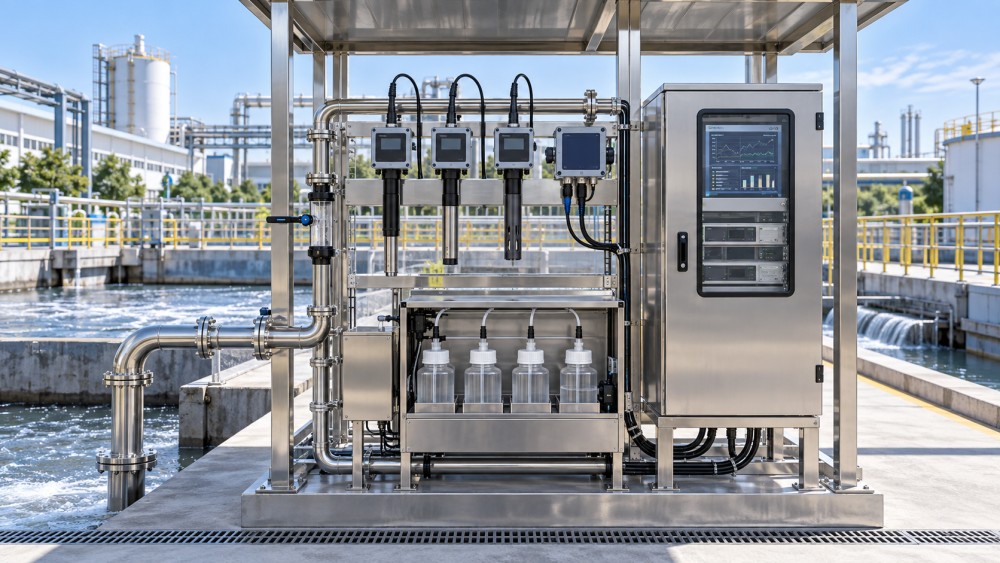
People searching for environmental monitoring compliance usually need practical clarity. They want to know whether missing, unreliable, or late data could trigger notices, penalties, permit breaches, or operational disruption.
Operators are rarely concerned only with regulations in theory. They need to understand which gaps matter, how to detect them early, and what evidence demonstrates reasonable control.
The most useful approach is to treat monitoring data as an operational control system. A missing value is not merely an empty field; it may represent an unverified environmental condition.
This matters across emissions monitoring, wastewater discharge, dust control, groundwater testing, waste handling, noise measurement, energy reporting, and industrial process monitoring.
Requirements differ by jurisdiction, permit, sector, and site. However, regulators consistently expect organizations to measure required conditions, retain records, investigate anomalies, and act within specified reporting periods.
For frontline personnel, the challenge is translating those broad obligations into disciplined daily activity. Reliable environmental monitoring compliance depends on consistent checks, documented decisions, and clear escalation routes.
Why Data Gaps Create Compliance Exposure
A data gap occurs whenever required information is absent, inaccurate, delayed, inaccessible, untraceable, or unsuitable for regulatory reporting. It can originate in equipment, software, processes, people, or supplier arrangements.
A single missing hourly reading may appear minor. However, it can prevent calculation of an average emission concentration, obscure an exceedance, or invalidate part of a compliance report.
Regulators commonly examine whether a facility followed its permit conditions continuously. If monitoring coverage is incomplete, they may question whether the organization can demonstrate ongoing environmental control.
Data gaps can also delay corrective action. A failed sensor, lost sample, or unread alarm may allow an environmental problem to continue longer than necessary before operators intervene.
Delayed information is especially risky when a permit requires rapid notification. Operators may need to report spills, discharge excursions, equipment failures, or abnormal emissions within strict timeframes.
Traceability is equally important. A valid reading without a documented source, timestamp, instrument identifier, calibration status, or responsible person may be difficult to defend during an audit.
Manual transfers introduce additional risk. Readings copied from paper logs into spreadsheets or reporting portals can be transposed, omitted, rounded incorrectly, or entered after the required deadline.
Disconnected systems often create hidden blind spots. An environmental sensor may collect data locally while the central dashboard shows no warning that uploads stopped several days ago.
Third-party laboratories and contractors can create another exposure point. Delayed laboratory results, incomplete chain-of-custody records, or unclear service responsibilities may weaken the compliance evidence trail.
The commercial effect extends beyond a fine. Compliance failures can threaten permit renewals, disrupt production, increase insurance scrutiny, damage buyer confidence, and create due-diligence concerns for global customers.
Where Monitoring Failures Usually Begin
Most gaps are not caused by a single dramatic failure. They develop through ordinary operational weaknesses that remain unnoticed because each issue appears isolated or temporary.
Instrument problems are a common source. Sensors can drift, foul, lose power, exceed calibration intervals, suffer communication faults, or operate outside their specified environmental conditions.
Sampling programs can fail when staff miss collection windows, use incorrect containers, overlook preservation requirements, or send samples without complete location and timing details.
Data management practices also deserve attention. Shared spreadsheets, unclear naming conventions, duplicated files, and uncontrolled edits make it difficult to establish which record is authoritative.
Shift changes create predictable vulnerabilities. Important observations may remain in verbal handovers, while maintenance actions, alarms, or temporary workarounds are never entered into the monitoring record.
Temporary equipment changes can introduce unplanned gaps. A bypass, maintenance shutdown, replacement pump, new production material, or altered discharge route may affect monitoring assumptions.
Alarm fatigue is another concern. When dashboards generate frequent low-priority alerts, personnel may overlook the alert showing a monitoring device has stopped transmitting critical compliance data.
Remote and multi-site operations require extra discipline. Different teams may use different units, sampling routines, reporting calendars, or local procedures, making group-level review unreliable.
External factors can complicate readings. Extreme weather, power interruptions, network outages, construction activities, and unusual production loads may affect both monitored conditions and data availability.
Operators should distinguish between a valid zero result and a missing result. Treating unavailable data as zero, normal, or not applicable can materially distort compliance conclusions.
How to Identify Your Highest-Risk Data Gaps
Start with permit obligations rather than available technology. Build a clear list of every required parameter, location, frequency, method, limit, record retention period, and reporting deadline.
For each requirement, identify the complete data path. Include the physical source, instrument or sample method, operator action, data transfer process, review step, and final reporting destination.
This mapping exercise reveals where information can disappear. It also clarifies who owns each step, which teams depend on external providers, and where escalation authority is unclear.
Prioritize requirements with direct legal consequences. These often include regulated discharge points, stack emissions, hazardous material releases, groundwater contamination indicators, and mandatory incident notifications.
Next, assess the effect of missed data. Ask whether one absent reading prevents reporting, masks a limit breach, delays response, or forces the use of regulator-approved substitute calculations.
Review device health separately from environmental results. A normal-looking dashboard can conceal expired calibration, missing maintenance records, unstable communication, or data that has not been quality-checked.
Use completeness metrics that operators can understand. Examples include expected readings received, samples collected on schedule, calibration tasks completed, alarms acknowledged, and reports submitted before deadlines.
Set thresholds for action. For example, a missed transmission may require same-shift investigation, while repeated gaps at one location may trigger maintenance review and management escalation.
Trend gaps by site, device, parameter, shift, and cause. Repeated failures usually indicate a systemic problem, such as poor equipment placement, inadequate training, or unrealistic sampling procedures.
Do not wait for an annual audit. Weekly or monthly reviews make environmental monitoring compliance manageable because small weaknesses can be corrected before they become reportable failures.
Build a Reliable Daily Monitoring Workflow
A dependable workflow starts with a simple operating standard. Operators should know what to check, when to check it, how to record it, and whom to contact when something is wrong.
Use controlled digital forms or standardized logs where practical. Required fields, timestamps, equipment identifiers, units, and validation prompts reduce ambiguity and make missing information easier to detect.
Every monitoring point should have clear status visibility. A dashboard or daily checklist should show whether readings are current, overdue, questionable, failed, or awaiting verification.
Make data quality checks part of routine work. Compare readings with expected operating ranges, recent trends, related process conditions, and nearby instruments before accepting unusual values as valid.
Document exceptions immediately. If an instrument fails, a sample cannot be collected, or access is unsafe, record the reason, time, affected requirement, and temporary control applied.
Use defined backup procedures. These may include manual measurements, alternative sampling equipment, duplicate instruments, laboratory methods, or approved estimation approaches described in the relevant permit.
Backup methods should not be improvised during an incident. Operators need training, available equipment, documented instructions, and clarity about when substitute data is acceptable.
Maintain calibration and maintenance records alongside monitoring results. A reading has greater compliance value when the organization can show the device was suitable, maintained, and verified.
Assign ownership for data review. The person collecting data should not always be the only person confirming completeness, plausibility, and readiness for internal or external reporting.
Use handovers to communicate monitoring status. Shift records should identify unresolved alarms, failed devices, pending samples, unusual readings, maintenance actions, and approaching reporting deadlines.
Where systems integrate data automatically, test the integration regularly. Confirm that units, timestamps, time zones, instrument tags, and alarm settings remain correct after updates or configuration changes.
A practical workflow should make the correct action easier than the incorrect one. Clear prompts, visible deadlines, and fast escalation improve both operator performance and audit readiness.
What to Do When Data Is Missing or Unreliable
When a data gap is identified, act quickly and avoid concealing it. The goal is to restore control, preserve evidence, assess environmental impact, and meet notification obligations.
First, confirm the scope. Identify which parameter, location, period, instrument, sample, report, or transmission route is affected and whether other related records may also be unreliable.
Second, protect the evidence. Preserve raw files, device logs, alarm history, sample records, maintenance notes, photographs, and communications that explain what happened and when.
Third, restore monitoring using the approved backup procedure. Repairing an instrument is important, but maintaining adequate observation during the outage may be equally important.
Fourth, assess whether a regulatory threshold may have been exceeded. Use available process data, previous results, substitute measurements, and technical support without presenting estimates as actual readings.
Fifth, check the applicable reporting rule. Some permits require immediate notification of monitoring failure, while others require disclosure in a periodic report with corrective-action details.
Record the root cause and corrective action. A strong record explains the failure, duration, environmental relevance, interim measures, repair, verification, and prevention steps.
After restoration, verify that normal data collection has resumed. Confirm transmission, timestamps, units, calibration status, alarms, and review approvals before closing the incident.
Repeated failures should lead to process improvement, not repeated explanations. Review staffing, spare parts, network resilience, maintenance schedules, supplier performance, and procedural clarity.
Using Better Data to Support Operational Decisions
Environmental monitoring compliance is not separate from operational performance. Reliable data helps operators identify leaks, process instability, abnormal material use, equipment wear, and inefficient energy consumption.
Consistent records improve communication between operations, environmental teams, maintenance personnel, laboratories, and management. Everyone can work from the same verified picture of site conditions.
For organizations operating across borders, standardized monitoring records also support customer audits, ESG disclosures, supplier qualification, and comparison between facilities subject to different local requirements.
Trade and supply chain teams increasingly review environmental performance as part of procurement and risk evaluation. Incomplete evidence can raise concerns even before a formal regulatory issue occurs.
Strong monitoring practices can therefore support market access. They provide credible documentation for customers, insurers, investors, and business partners seeking evidence of disciplined environmental control.
Data quality should be evaluated as carefully as production quality. Both depend on repeatable processes, competent operators, maintained equipment, traceable records, and timely corrective action.
A Practical Compliance Check for Operators
Before ending a shift or reporting period, confirm that all required readings and samples were completed, recorded, reviewed, and stored in the correct controlled system.
Check whether any instruments are overdue for calibration, maintenance, validation, or communication testing. Device condition can affect compliance even when readings appear plausible.
Review open alarms, missing files, pending laboratory results, failed uploads, and unusual trends. Ensure every exception has an owner, a documented action, and a completion deadline.
Confirm that temporary changes are reflected in monitoring procedures. New equipment, altered workflows, and maintenance arrangements may require revised controls or additional data review.
Finally, verify that escalation contacts and reporting instructions remain current. During an actual incident, operators should not need to search for permit conditions or approval responsibilities.
Conclusion: Data Completeness Is a Control Requirement
Environmental monitoring compliance can be put at risk by incomplete, late, inaccurate, or untraceable data. The risk grows when gaps are not detected, investigated, and documented promptly.
For operators, the most effective response is a disciplined monitoring workflow supported by equipment checks, clear ownership, backup methods, timely escalation, and regular completeness review.
Reliable environmental data protects permits and strengthens operational decisions. When every required reading has a source, timestamp, quality check, and response path, compliance becomes more defensible and manageable.
Weekly Insights
Stay ahead with our curated technology reports delivered every Monday.
Recommended News
 Market TrendsSep 25, 2026Which industrial market research trends signal a shift in demand?
 Supply ChainSep 24, 2026How trade compliance screening prevents costly shipment delays
 Supply ChainSep 23, 2026What drives cross-border logistics management pricing for importers?
 Supply ChainSep 22, 2026How heavy equipment lifecycle data can reduce unexpected downtime