Factory Automation Systems Design for Lower Downtime
Factory Automation Systems Design for Lower Downtime
For plants that run on tight schedules, factory automation systems design is not just about speed. It is about keeping lines stable, maintenance visible, and decisions fast when conditions change. The best systems reduce unplanned stoppages by connecting machines, sensors, control logic, and service workflows into one practical operating model.
That matters even more in multi-site operations. A small fault on one line can cascade into missed shipments, overtime costs, and inventory stress. Well-built factory automation systems design helps teams spot weak signals early and act before downtime spreads.
Why downtime happens in automated plants
Downtime rarely comes from one big failure. More often, it starts with small gaps in machine coordination, poor alarm logic, delayed maintenance, or data that never reaches the right person. In many factories, the problem is not a lack of automation. It is a lack of system design.
A strong factory automation systems design looks at the full chain. It covers equipment behavior, operator actions, spare parts readiness, and escalation paths. When those pieces are designed separately, teams get automation islands. When they are designed together, they get resilience.
Common downtime triggers
- Poor sensor placement that hides early wear signals.
- Control systems that trigger late or confusing alarms.
- Manual handoffs between production and maintenance teams.
- Limited visibility into upstream and downstream bottlenecks.
These issues are manageable, but only if they are addressed during design, not after production starts.
Design principles that lower downtime
The most reliable factory automation systems design starts with simplicity. Complex architectures may look advanced, but they often slow troubleshooting and make change control harder. The goal is to create a system that is easy to operate, easy to diagnose, and easy to expand.
A useful rule is to design for failure visibility. If a motor drifts, a valve sticks, or a conveyor slows, the system should tell teams what changed, where it happened, and what action to take next.
What good design includes
- Real-time monitoring for critical assets and process steps.
- Clear alarm priorities that separate noise from urgent risk.
- Redundant paths for key controls and essential utilities.
- Standardized interfaces for maintenance, MES, and ERP data.
- Remote access for diagnostics, review, and support.
When these elements are built into the architecture early, the plant can respond faster and recover sooner.
A practical architecture for higher uptime
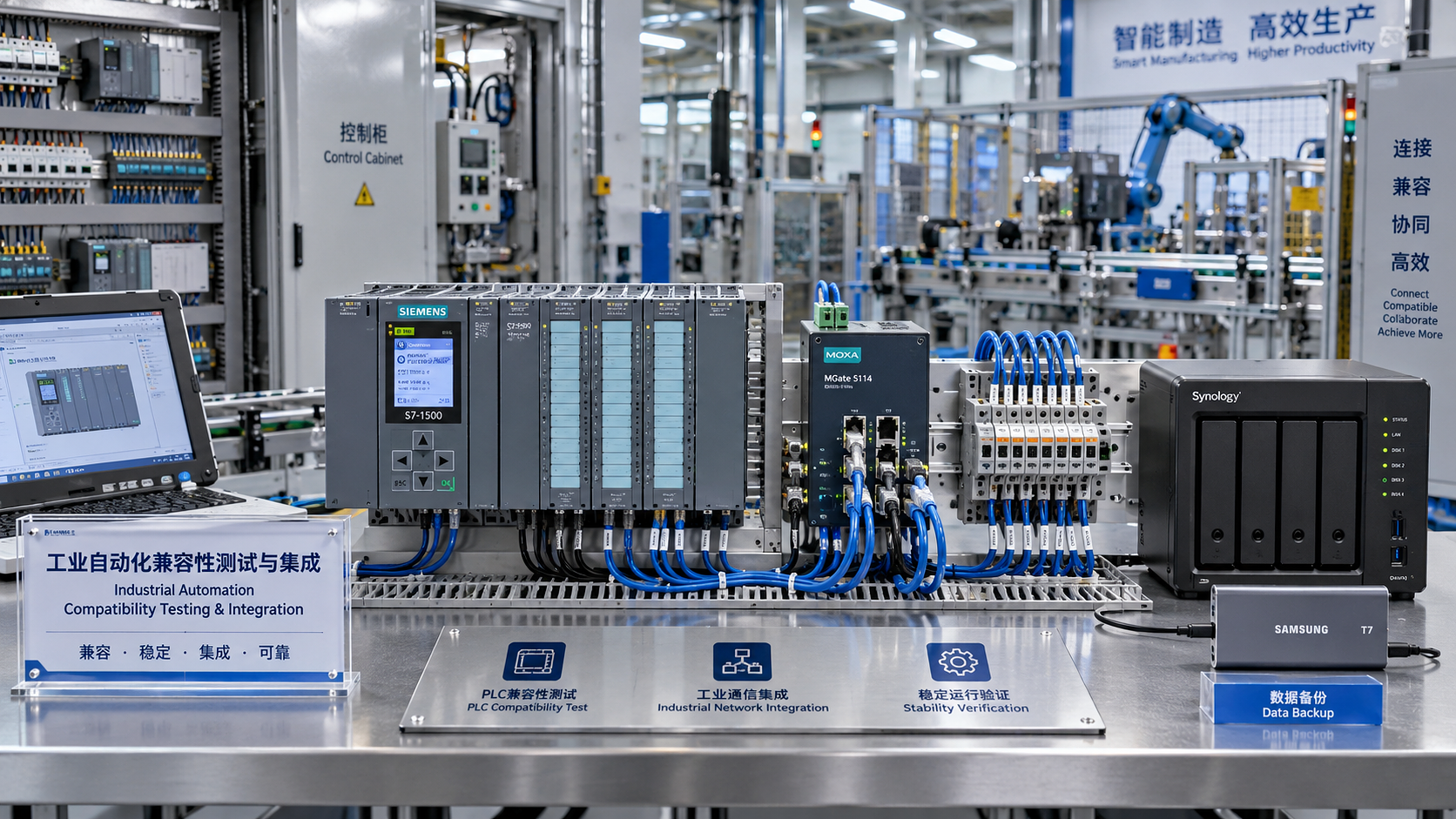
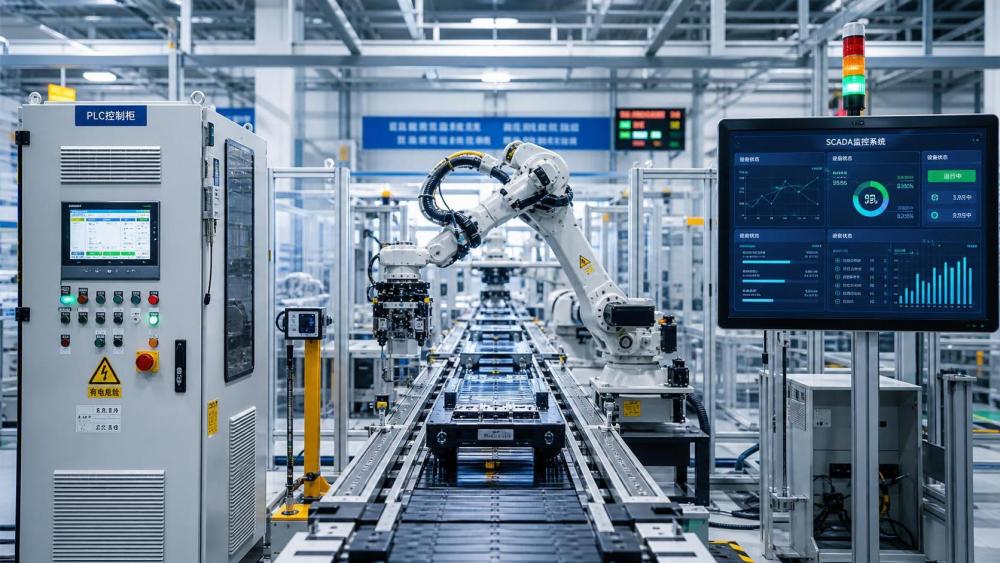
In practice, factory automation systems design should be layered. At the equipment layer, sensors and actuators collect the truth of the line. At the control layer, PLCs and SCADA manage timing and logic. At the operations layer, dashboards and work orders turn data into action.
That layered model works best when it is consistent across lines and sites. It reduces retraining, shortens fault isolation time, and gives leadership a clearer view of plant performance.
This is where factory automation systems design becomes a business decision. The architecture should support both today’s throughput targets and tomorrow’s expansion without forcing a full rebuild.
How to align design with maintenance workflows
A plant cannot lower downtime if maintenance is treated as a separate world. The best designs connect condition monitoring, spare parts planning, and service response inside the same workflow. That way, a fault does not become a guessing game.
For example, vibration data can trigger a task before a bearing fails. Temperature trends can support planned shutdowns instead of emergency stops. This is where factory automation systems design supports both reliability and cost control.
Useful workflow habits
- Define which alarms create work orders automatically.
- Set thresholds based on process history, not guesswork.
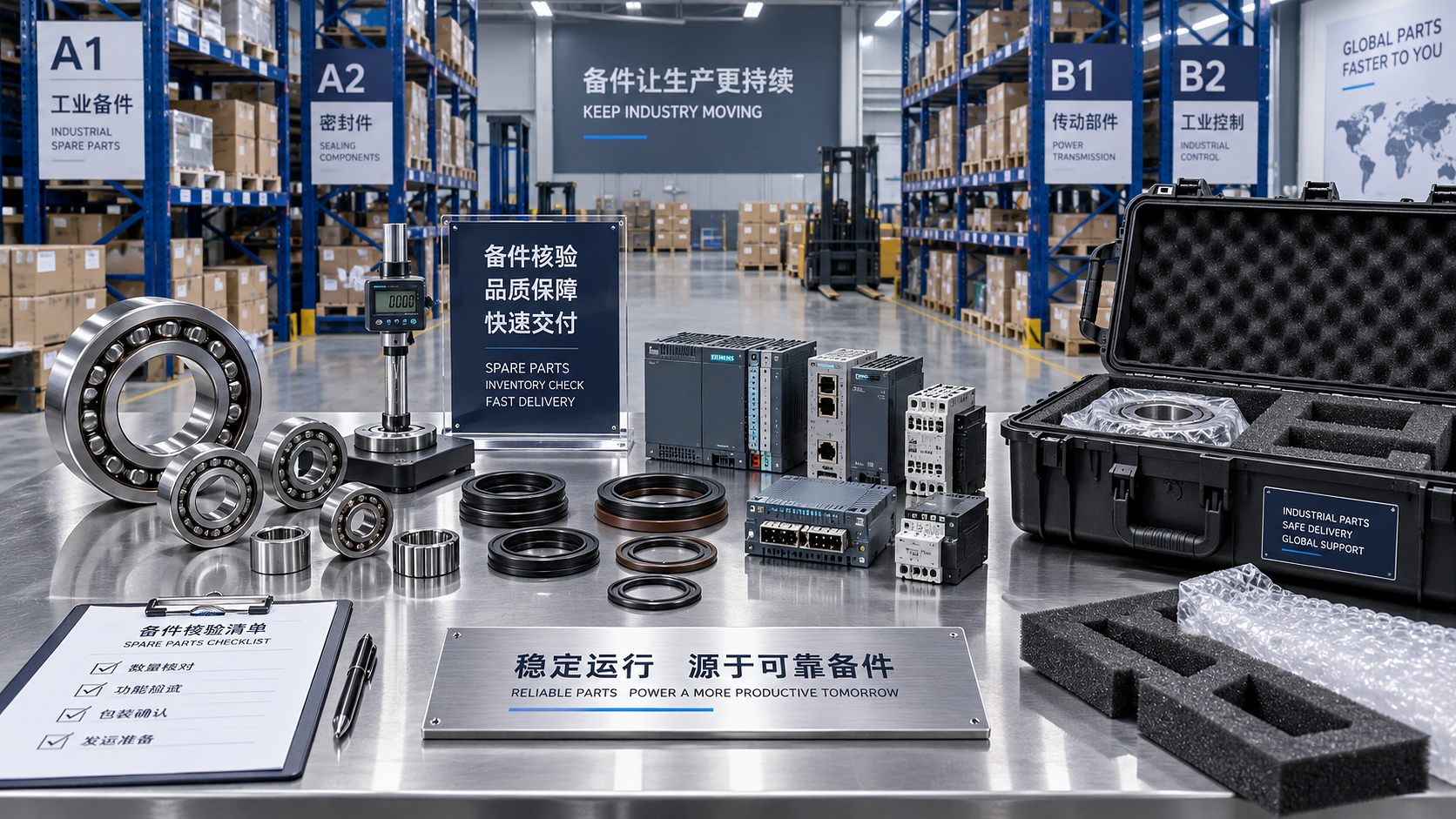
- Keep spare parts linked to critical asset lists.
- Review repeat faults monthly and redesign weak points.
These habits make the automation stack more useful in real operations, not just in project documents.
Implementation risks project teams should watch
Even strong factory automation systems design can fail if the rollout is rushed. One common issue is over-customization. Another is underestimating data quality. If sensor inputs are inconsistent, the system may create false confidence instead of real control.
Cybersecurity also matters. As connectivity grows, so does exposure. Segmentation, access control, and patch discipline should be part of the design from day one. Otherwise, uptime gains can be undermined by avoidable risk.
A final risk is poor change management. Operators, technicians, and supervisors need time to adapt. If the interface is technically sound but hard to use, downtime may rise before it falls.
A better rollout path
The most reliable approach is phased. Start with one high-impact line, prove the alarms and maintenance logic, then scale the model. That creates a cleaner business case and gives teams a working reference for future sites.
From a project management view, the sequence is straightforward: define critical assets, map failure modes, standardize data points, test response workflows, and measure uptime improvement. Each step strengthens the next.
If the goal is lower downtime, factory automation systems design should be judged by operational outcomes, not by the number of devices installed. When the architecture helps people see problems sooner, act faster, and recover more cleanly, the plant becomes harder to disrupt and easier to scale.
Weekly Insights
Stay ahead with our curated technology reports delivered every Monday.
Recommended News
 Supply ChainOct 15, 2026How to choose a supply chain strategy for unpredictable demand
 Supply ChainOct 14, 2026How to assess an industrial equipment supplier's spare parts support
 Supply ChainOct 14, 2026EU Updates CSDDD Guidance on Global Supply Chain Due Diligence
 Global SourcingOct 13, 2026How to assess industrial automation suppliers for legacy integration