Cleanroom Packaging Sterile: 7 Checks Before You Source
Cleanroom Packaging Sterile: why does sourcing get complicated so quickly?
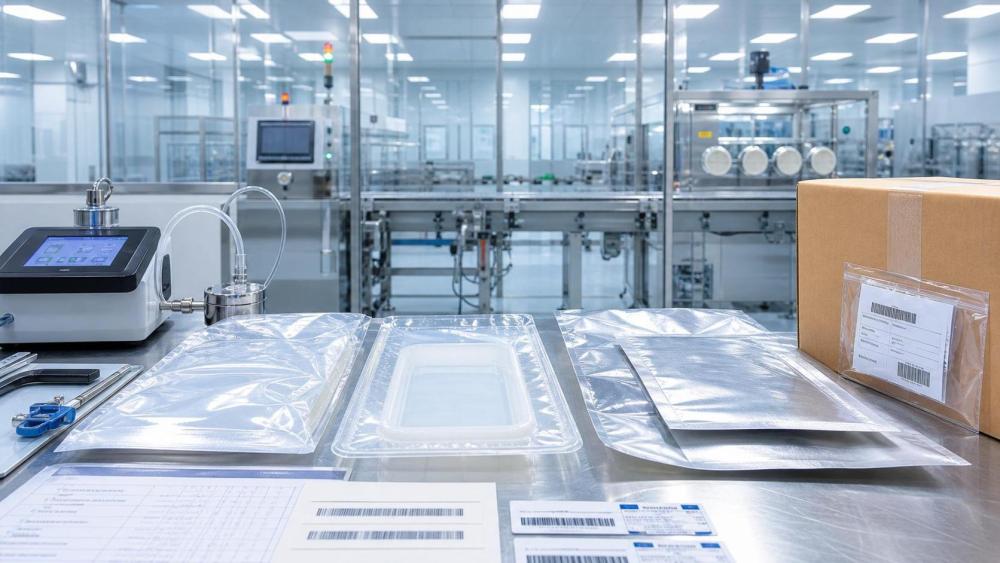
Cleanroom packaging sterile decisions look simple at first glance. A bag, pouch, liner, or tray can seem interchangeable until contamination, audit gaps, or shipping damage appears.
That is why supplier selection usually matters more than the lowest quoted unit price. Sterility claims, barrier performance, packaging cleanliness, and logistics discipline all affect downstream yield.
In cross-border trade, the risks widen. Documentation standards vary, regional regulations differ, and transit conditions can turn a compliant item into a rejected one.
A practical way to assess cleanroom packaging sterile sourcing is to break the decision into seven checks. This approach reduces surprises before sampling, qualification, and contract commitment.
GTIIN often tracks this kind of sourcing issue through a wider supply chain lens. Material specification, export readiness, customs timing, and quality traceability usually matter as much as product labels.
What exactly should you confirm before calling a package “sterile”?
This is the first check, and it is often misunderstood. Cleanroom packaging sterile does not mean every product is automatically suitable for every medical, pharma, semiconductor, or lab workflow.
Start by separating three ideas: cleanroom manufacture, sterile barrier performance, and sterilization status at shipment. Suppliers sometimes describe one and imply the other two.
Ask for the exact sterilization method if the item is supplied sterile. Gamma, EtO, steam, and e-beam can change material behavior, shelf life, and residual control requirements.
Then review whether the packaging is intended to maintain sterility, or merely protect a product packed elsewhere. That distinction changes validation scope and liability allocation.
A useful request list includes:
- sterility assurance documentation or sterilization certificate;
- material datasheet with resin, film, or laminate details;
- shelf-life statement and storage limits;
- packaging integrity test method;
- cleanroom class and environmental monitoring summary.
If a supplier cannot separate these concepts clearly, that is usually an early warning sign.
Which specifications actually decide whether a supplier is usable?
This is the second and third check combined: functional fit and process consistency. In real sourcing projects, failures often come from missing small details, not missing big certifications.
Look closely at particle control, seal strength, puncture resistance, outgassing, extractables, and compatibility with your sterilization or filling process. These are not secondary points.
For cleanroom packaging sterile applications, dimensional tolerance also matters. Minor variance can slow automated filling lines, create sealing defects, or reduce carton efficiency.
The fourth check is lot-to-lot repeatability. A good pilot batch does not guarantee stable mass production. Ask for process capability data, batch coding logic, and nonconformance handling.
The table below helps structure supplier review without turning it into a vague checklist.
Are certifications enough, or do you need deeper audit evidence?
Certifications are useful, but they are only the fifth check. They show system intent. They do not always show how the plant behaves during pressure, capacity shifts, or export rush periods.
Ask for current certificates, then verify scope, issuing body, expiration date, and site coverage. A certificate that excludes the actual production line has limited value.
For cleanroom packaging sterile sourcing, it also helps to request recent audit findings, CAPA examples, and change-control records. Those documents reveal operating discipline better than polished brochures.
In practical terms, stronger suppliers usually answer three questions directly:
- What changed in the last 12 months?
- How are deviations closed and verified?
- Which records can be shared before a site visit?
That level of transparency is often a better signal than marketing language about premium quality.
Where do cost surprises usually hide in cleanroom packaging sterile projects?
The sixth check is full landed cost, not just unit price. Cleanroom packaging sterile sourcing often carries hidden expenses that appear after sampling approval.
Tooling, validation batches, sterility testing, certificate updates, secondary packaging, and freight mode changes can shift the economics quickly. Low quotes sometimes exclude these items by design.
There is also the cost of inconsistency. One rejected lot can trigger line stoppage, extra inspections, requalification work, and delayed shipments to end customers.
A useful comparison model should include:
- quoted unit price by annual volume tier;
- MOQ and safety stock expectations;
- validation, sampling, and documentation fees;
- export packing and cold or dry storage conditions;
- lead-time risk and cost of supply disruption.
GTIIN’s trade intelligence perspective is useful here. Ocean delays, customs latency, and regional compliance shifts can change a low-cost source into a high-risk source within one quarter.
How do you judge lead time and logistics without underestimating contamination risk?
This is the seventh check, and it is often treated too narrowly. Lead time is not only factory production time. It includes sterilization scheduling, release testing, document issuance, and border movement.
For cleanroom packaging sterile shipments, transit packaging design matters because the product may arrive physically intact but no longer suitable for controlled environments.
Ask how cartons are sealed, palletized, wrapped, labeled, and segregated. Also confirm whether warehousing includes clean handling rules or mixed cargo exposure.
A few operational questions make the review sharper:
- What is the real average lead time over the last six months?
- How many days are spent on testing and document release?
- What backup plan exists for sterilization or freight disruption?
- Can the supplier hold buffer stock with matched lot traceability?
These answers usually tell you whether the supplier understands supply continuity, not only packaging conversion.
What mistakes are most common when comparing suppliers side by side?
One common mistake is comparing cleanroom packaging sterile offers on headline price while ignoring qualification scope. Another is assuming similar certificates mean similar process control.
Some buyers also approve samples packed under ideal conditions, then receive production lots made during overloaded periods. That gap is where quality claims often weaken.
A more reliable comparison uses weighted criteria. Technical fit, sterility control, change management, export readiness, and response speed deserve clear scoring.
When uncertainty remains, request a pilot order with defined acceptance rules. Include packaging integrity checks after transit simulation, not only at dispatch.
That step turns supplier claims into measurable evidence and makes future negotiation more grounded.
What should happen next before you place a larger order?
A sound cleanroom packaging sterile decision usually comes from a short sequence, not a single quote review. Define the use case, confirm the sterile claim, test the material, verify the plant, and map the landed cost.
Then compare suppliers against the same evidence set. Keep specification sheets, audit records, logistics assumptions, and sample outcomes in one decision file.
In cross-border sourcing, the strongest choice is often the supplier that combines compliance clarity, stable documentation, and realistic delivery control. That balance protects cost better than an aggressive first quote.
If you are narrowing options, build your review around these seven checks and revisit any weak area before contract finalization. That is usually where avoidable risk is still visible.
Weekly Insights
Stay ahead with our curated technology reports delivered every Monday.
Recommended News
 Supply ChainOct 15, 2026How to choose a supply chain strategy for unpredictable demand
 Supply ChainOct 14, 2026How to assess an industrial equipment supplier's spare parts support
 Supply ChainOct 14, 2026EU Updates CSDDD Guidance on Global Supply Chain Due Diligence
 Global SourcingOct 13, 2026How to assess industrial automation suppliers for legacy integration