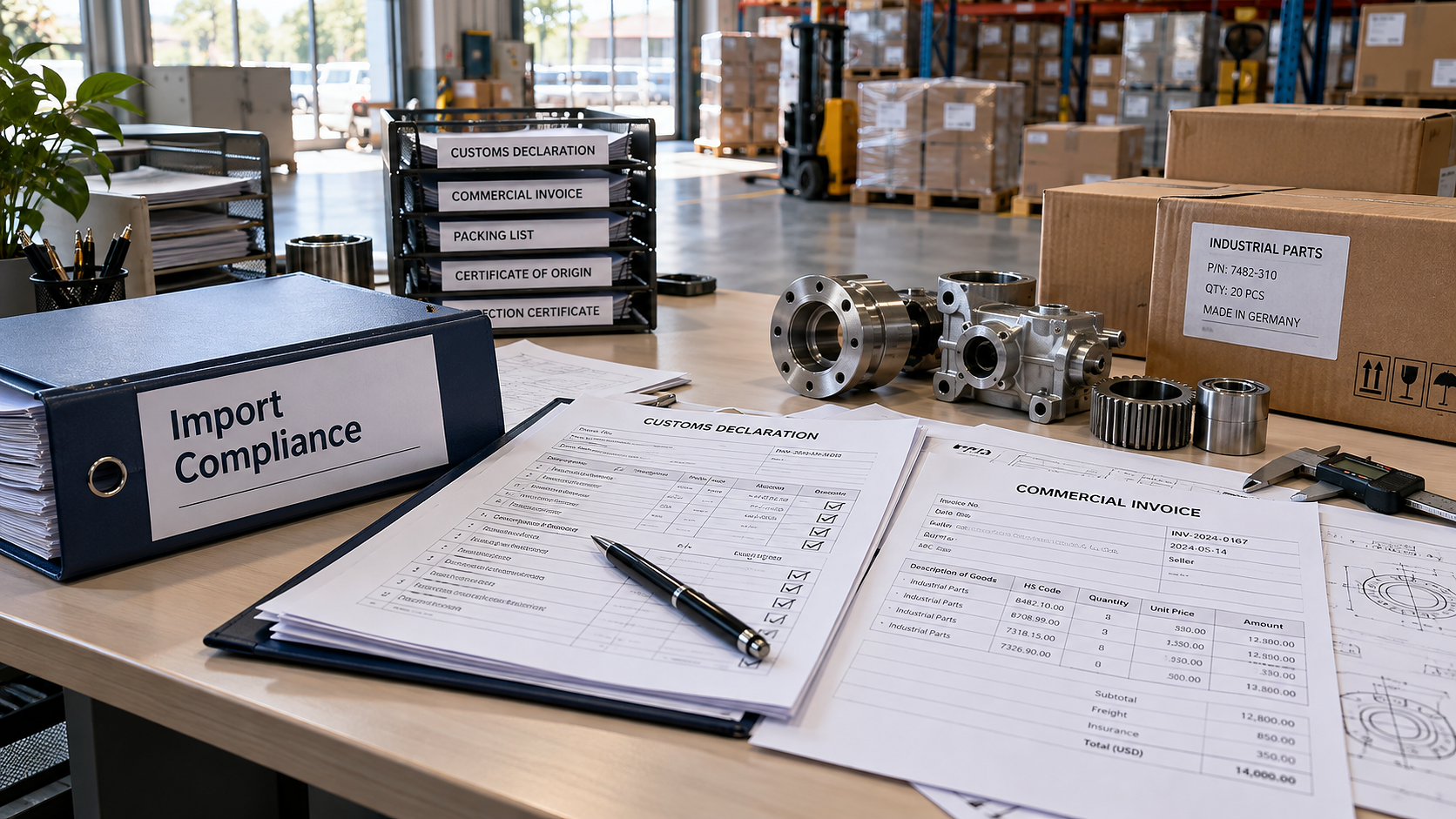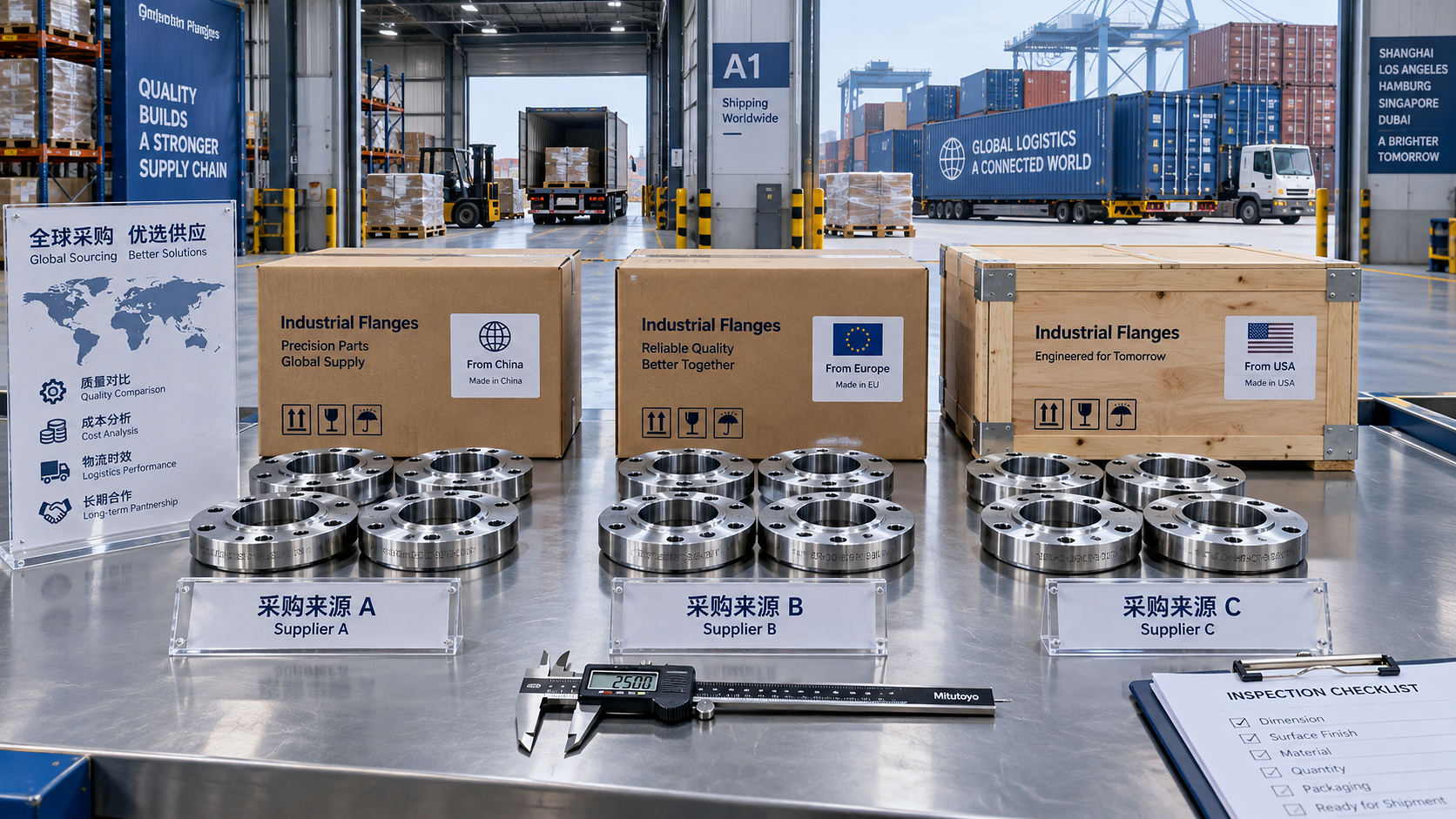
Does hiring a freight forwarder transfer import compliance liability?
A shipment clears customs, the goods reach the warehouse, and the freight forwarder’s invoice is paid. Months later, customs questions the declared value or tariff classification. For the importer’s management team, the immediate reaction may be: “Wasn’t our logistics provider handling that?”
Hiring a freight forwarder generally does not transfer an importer’s statutory import compliance obligations. A provider can perform tasks, submit information, and advise on procedures, but outsourcing the work is not the same as transferring legal accountability. The precise allocation depends on the destination country, the customs representation model, and each party’s actual role.
Effective logistics compliance for importers starts with that distinction. Business leaders need to know who arranges transportation, who files customs declarations, who is legally responsible for them, and what happens when an error is discovered.
Three different roles that businesses often treat as one
A single logistics group may offer freight forwarding, customs brokerage, warehousing, and delivery under one commercial proposal. That convenience can obscure important legal differences.
A forwarder may provide customs services through a licensed affiliate or an independent broker. Ask which legal entity performs each function and under whose authority. A familiar brand name on the invoice is not enough to establish the chain of responsibility.
Also distinguish customs clearance from broader import compliance. Product safety, labeling, sanctions, environmental requirements, and agricultural controls may involve separate authorities and different definitions of the responsible importer.
Why a service contract usually cannot move regulatory liability
There are two separate relationships: the company’s relationship with its service provider and its relationship with the government.
A contract can allocate responsibilities between the importer and forwarder. It may require accurate filing, establish review procedures, or provide compensation for certain mistakes. However, a private agreement generally cannot prevent a regulator from pursuing a party that the law makes responsible.
In the United States, for example, 19 U.S.C. § 1484 establishes an importer-of-record framework involving reasonable care in providing entry information, including classification and value. Using a customs broker does not, by itself, eliminate the importer’s reasonable-care responsibilities. Brokers also have their own regulatory obligations.
In the European Union, the Union Customs Code distinguishes direct from indirect customs representation. A direct representative acts in another person’s name and on that person’s behalf; an indirect representative acts in its own name but on another person’s behalf. For a standard import customs debt, indirect representation can make both the declarant and the represented person debtors. Liability may therefore be shared rather than transferred away.
These examples should not be applied indiscriminately across markets. Before relying on an outsourced arrangement, establish which jurisdiction’s rules apply and what legal status each participant actually holds.
What about DDP or an “importer of record” service?
Delivered Duty Paid terms allocate substantial import-related responsibilities and costs to the seller under the sales contract. They do not override local customs law or automatically establish that the seller is eligible to act as importer in the destination country.
Similarly, an importer-of-record service deserves more scrutiny than its label suggests. Determine whether the provider genuinely occupies the required legal role, what local establishment or authorization rules apply, and which product or transaction obligations remain with your business. Neither a shipping term nor a marketing description settles the liability question.
The information a forwarder cannot safely invent
Many declaration errors begin upstream of the logistics team. Procurement agrees to a price adjustment, engineering changes a component, or a supplier moves production. Unless that information reaches the customs process, even a capable broker may submit an inaccurate declaration.
The following areas deserve explicit ownership:
- Tariff classification: A broad description such as “machine parts” rarely provides enough detail. Classification can depend on function, material, configuration, and the applicable tariff’s legal notes.
- Customs valuation: The invoice may not tell the whole story. Tooling supplied to a manufacturer, certain royalties, related-party arrangements, and other adjustments may require analysis under local valuation rules.
- Origin: The shipping country is not necessarily the country of origin. Preferential duty claims require compliance with the relevant agreement’s origin rules and supporting evidence.
- Trade measures and restrictions: Goods may face antidumping or countervailing duties, sanctions restrictions, licensing requirements, or other controls beyond ordinary customs duty.
- Records: The business needs accessible supporting documents for the applicable retention period, not merely confirmation that the forwarder has a shipment file.
For industrial procurement, technical detail matters. A change in an alloy specification, a machine’s principal function, or a component’s manufacturing process can affect customs treatment. The commercial team may see the same product family; customs may see a materially different item.
That is why logistics compliance for importers must connect purchasing, engineering, finance, and shipping rather than sit entirely with the company that books the container.
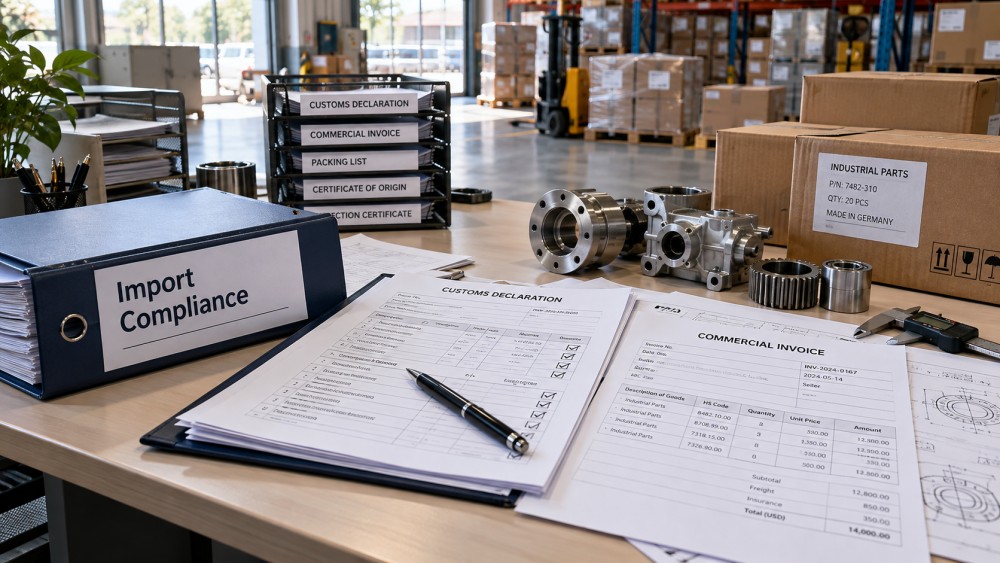
A classification error shows where the exposure sits
Consider a hypothetical manufacturer importing replacement assemblies. Its supplier uses a generic description, and the broker applies a tariff code based on previous shipments. No one checks whether the new assemblies perform a different function.
The goods clear without inspection. Later, a customs review identifies an incorrect classification and additional duty exposure.
The importer cannot safely assume that “the broker selected the code” ends the matter. Authorities may examine the importer’s legal role, the information supplied, the reasonableness of its controls, and the conduct of other parties. Shipment release is not necessarily a final endorsement of declaration accuracy.
The broker might also face consequences if it breached its duties. The importer might have a contractual claim against the provider. Neither possibility guarantees that customs will first recover money from the broker or suspend action against the importer.
Commercially, this creates two separate issues: resolving the customs position and pursuing any recoverable loss. The latter can take time and may be constrained by contractual limits, evidence requirements, or insurance exclusions.
What good contractual protection actually looks like
Contracts remain important. Their value is in making responsibilities clear and providing workable remedies—not promising immunity from customs law.
When reviewing a forwarding or brokerage agreement, decision-makers should examine:
- Scope and authority: Identify the filing entity, representation model, permitted subcontracting, and decisions requiring importer approval.
- Information responsibilities: Specify who supplies technical descriptions, valuation inputs, origin evidence, permits, and updates when circumstances change.
- Error handling: Require prompt notification of suspected inaccuracies and cooperation with corrections, audits, and legally appropriate disclosures.
- Document access: Ensure the importer can retrieve declarations, supporting records, and relevant correspondence, including after termination.
- Financial remedies: Review indemnities, liability caps, claim deadlines, exclusions, and the extent of applicable insurance coverage.
Pay particular attention to the difference between recoverable losses and amounts the business legally owed anyway. Additional duty properly payable on an import may be treated differently from penalties, interest, storage costs, or professional fees caused by an error.
A power of attorney also needs careful handling. It authorizes specified actions; it is not a general release from responsibility. Keep authorizations current and make sure operational practice matches their scope.
A practical oversight model for business leaders
Retaining accountability does not mean duplicating every task performed by the broker. It means maintaining enough knowledge, control, and evidence to make outsourcing dependable.
Before the first shipment: establish the operating rules
Confirm the importer’s legal identity, customs registrations, applicable representation arrangements, and product-specific requirements. Assign an internal owner with authority to obtain information from procurement, finance, and technical teams.
Create approved product data for recurring imports. This should include sufficiently detailed descriptions, classification rationale, origin information, and relevant valuation instructions. Where material uncertainty remains, consider specialist advice or a binding customs ruling when available and appropriate.
At shipment level: review the exceptions
Not every repeat shipment needs the same intensity of review. New products, new manufacturing countries, unusual discounts, related-party transactions, and goods potentially subject to trade remedies warrant closer attention.
Require escalation when the broker lacks information. A guessed tariff code may get a shipment moving, but speed achieved through unsupported assumptions can become expensive later. Establish who can approve a delay when the alternative is an unreliable declaration.
After clearance: verify rather than assume
Reconcile selected customs entries against invoices, approved product data, purchase terms, and duty payments. Check whether declarations reflect instructions and whether changes in the business have reached the broker.
Retain records in systems the company controls or can reliably access. Retention periods differ by jurisdiction and document type, so avoid applying one universal deadline without checking the relevant rules.
Useful management indicators include repeated data exceptions, unresolved classification questions, missing origin support, and correction frequency. Clearance speed alone tells leaders little about whether the compliance process is working.
If a mistake has already surfaced
Preserve the relevant records and establish the facts before assigning blame. Identify affected products, entries, dates, jurisdictions, and whether the issue continues in current shipments.
Coordinate with the broker and qualified customs counsel or an appropriate specialist to assess correction procedures, deadlines, and any disclosure options. Available mechanisms—and their consequences—vary. Do not assume a routine amendment is sufficient for every historical problem.
Address the process failure as well as the individual entry. Correcting one declaration achieves little if the same unsupported instruction remains in the product master.
The decision is about control, not just delegation
A freight forwarder can reduce administrative workload and bring valuable operational expertise. A customs broker can provide specialized filing and advisory support. Neither relationship should be mistaken for automatic protection from import liability.
For decision-makers evaluating cross-border sourcing and supply chain resilience, the stronger question is not “Who have we hired to handle customs?” It is “Can we demonstrate who is responsible, what information supports our declarations, and how errors are detected and corrected?”
That is the foundation of effective logistics compliance for importers: outsource execution where it makes sense, while keeping legal roles, internal ownership, and oversight firmly in view.
This article provides general information, not jurisdiction-specific legal advice. Confirm the rules applicable to your transaction and destination market before relying on a particular representation or liability arrangement.
Weekly Insights
Stay ahead with our curated technology reports delivered every Monday.
Recommended News
 Supply ChainOct 18, 2026Does hiring a freight forwarder transfer import compliance liability?
 Industry StandardsOct 17, 2026How often do environmental standards require compliance monitoring?
 Global SourcingOct 16, 2026How importers use industrial trade analysis to compare sourcing countries
 Supply ChainOct 15, 2026How to choose a supply chain strategy for unpredictable demand