How often do environmental standards require compliance monitoring?
Environmental compliance monitoring may be required continuously, during each discharge, at daily or monthly intervals, or through periodic testing. There is no universal annual schedule. The binding frequency comes from the requirements that apply to a particular facility, activity, pollutant, and release point. A single manufacturing site can therefore have several monitoring schedules operating at the same time.
For quality control and safety managers, the first decision is to identify which obligations specify a frequency and which require the facility to establish one. An annual environmental audit does not satisfy a monthly sampling requirement. Equally, installing a continuous sensor does not automatically replace laboratory analysis or periodic emissions testing. Each activity must produce the evidence required by the applicable rule, permit, or other binding condition.
Where the monitoring frequency actually comes from
Start with the facility’s legal obligations: applicable environmental regulations, permits, licenses, discharge consents, and any binding enforcement conditions. Read these together. A permit may state the sampling frequency directly, incorporate another technical requirement by reference, or impose additional testing under specified operating conditions. A calendar based only on the permit’s summary page can miss those details.
Next, distinguish legal requirements from environmental management standards and commercial commitments. ISO 14001, for example, requires an organization to determine what it needs to monitor and measure and when those activities should occur. It does not prescribe one sampling interval for every facility, nor does certification replace compliance with local environmental law. Customer specifications can add monitoring obligations, but they cannot relax applicable regulatory requirements.
For each obligation, extract more than a calendar interval. A usable requirement should identify:
- The pollutant, environmental parameter, or operating condition to be checked.
- The release point, equipment item, or monitoring location covered.
- The sampling or measurement method, including any required averaging period.
- The frequency, operating conditions, and events that trigger monitoring.
- The requirements for recording, reporting, and responding to results.
Wording matters. “Once per month,” “during each discharge,” and “at intervals not exceeding a specified number of days” create different scheduling obligations. A requirement tied to production hours also behaves differently from one tied to calendar time. Where the wording is ambiguous, resolve its interpretation through the relevant regulatory process before relying on a convenient internal assumption.
How different monitoring schedules work
The frequency of environmental compliance standards monitoring depends partly on how a release occurs and how quickly it can change. Continuous emissions, intermittent discharges, rainfall-driven runoff, and slowly changing groundwater conditions present different measurement problems. The following patterns explain how schedules can be structured; the applicable requirement determines which pattern a facility must use.
Continuous monitoring for changing conditions
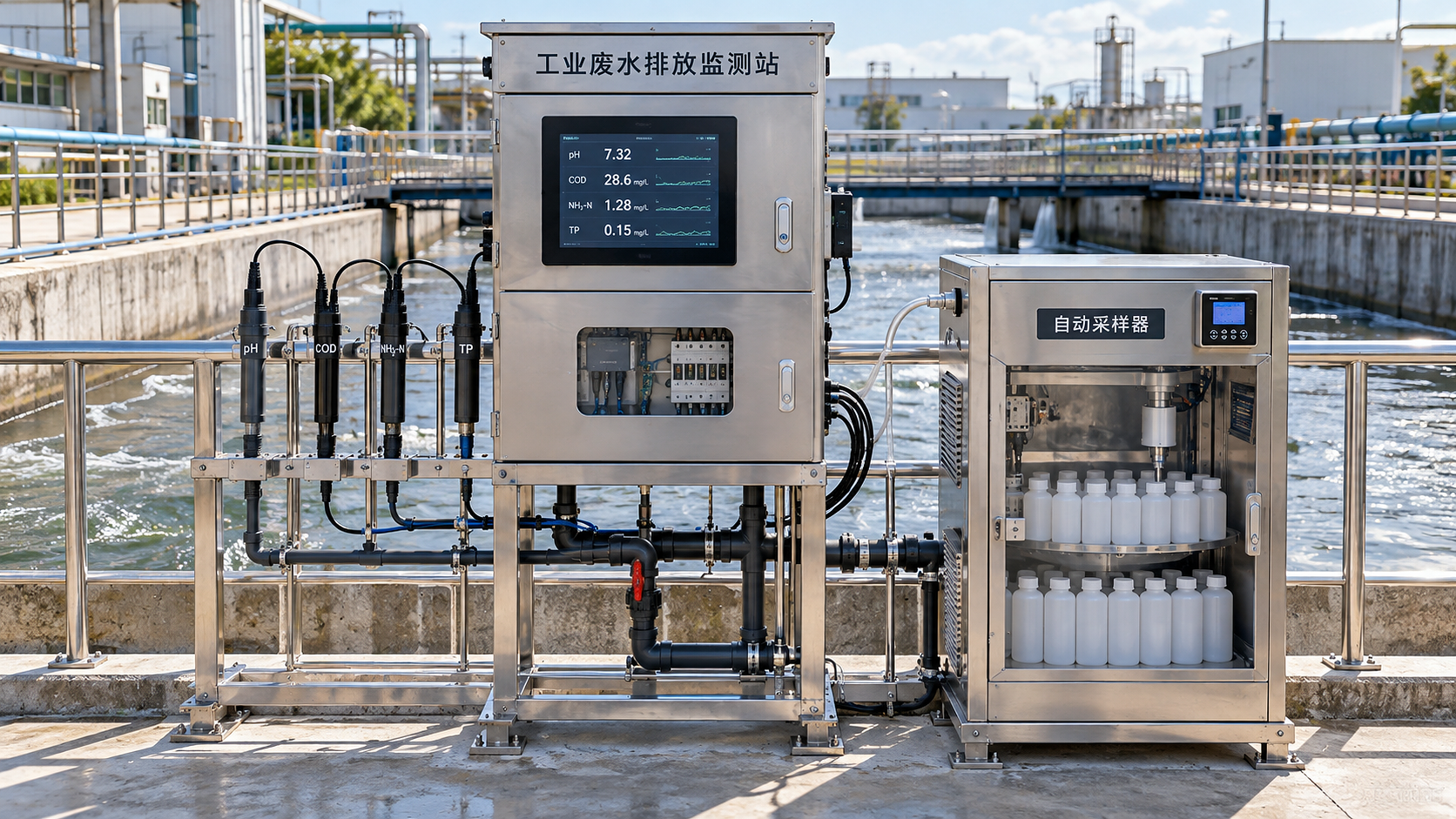
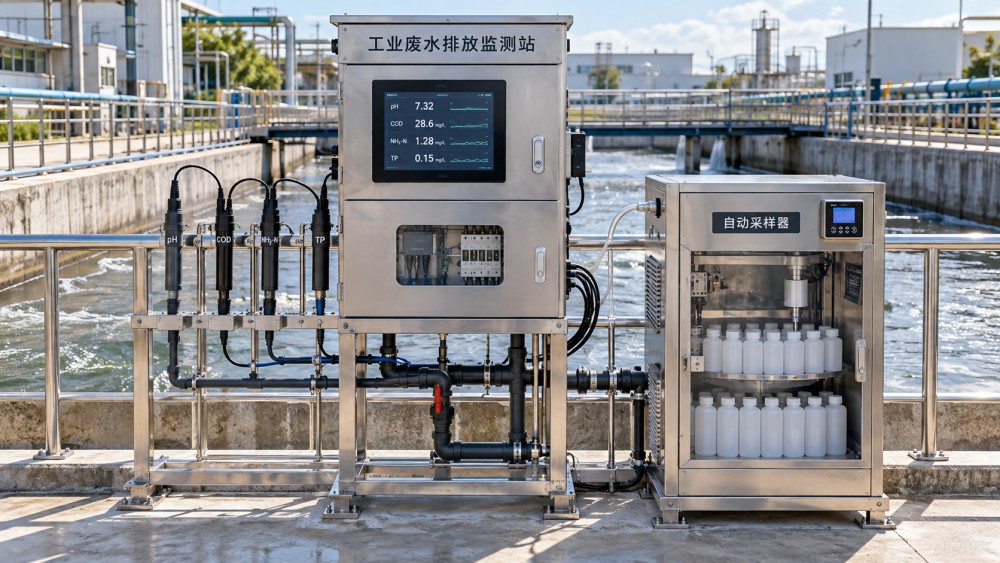
Continuous monitoring may be required where emissions or process conditions need ongoing measurement during operation. Depending on the obligation, a system might measure a pollutant directly or track an operating parameter associated with pollution control performance. Those two functions should remain clearly identified: a control parameter provides evidence about equipment operation, while a pollutant measurement addresses the release itself.
“Continuous” also needs a precise operational definition. Instruments may collect frequent readings while compliance is assessed using specified averages. Requirements can separately address calibration, valid data availability, maintenance, and periods when the monitoring system is unavailable. A dashboard showing live values does not establish that the data meet all these conditions.
Periodic sampling and performance testing
Periodic monitoring uses samples or tests taken at defined intervals. Depending on the applicable conditions, this could involve daily wastewater checks, monthly laboratory sampling, or periodic stack testing. These are possible scheduling arrangements, not default frequencies for all industrial facilities.
Sampling design is as important as interval. A grab sample captures conditions at a particular moment; a composite sample combines material collected over a defined period or according to a specified sampling basis. The required approach depends on the parameter and governing method. Collecting more samples using an unsuitable method may still leave the compliance requirement unmet.
Operating conditions can determine whether a periodic test is acceptable. A test conducted during unusually low production may not satisfy a requirement to assess representative or specified operating conditions. Scheduling therefore needs coordination between environmental staff, production teams, and the testing provider, especially where equipment availability or production loading affects test validity.
Monitoring tied to discharges, weather, or other events
Some obligations follow an event rather than a fixed date. A batch discharge may require a check before release or sampling during discharge. Stormwater monitoring may depend on a qualifying rainfall event and a defined collection window. An incident, treatment failure, or abnormal operating condition may trigger additional checks.
These obligations are easily missed by a calendar that contains only monthly and annual tasks. They need an operational trigger: someone must recognize the event, notify the responsible person, and arrange sampling within the permitted window. For weather-dependent monitoring, practical readiness can include available containers, safe access, laboratory arrangements, and clear coverage outside normal working hours.
Keep measurement, reporting, and audits on separate schedules
A facility may monitor continuously, review results daily, submit a report quarterly, and undergo an annual management system audit. These activities serve different purposes. Confusing them can create a plausible-looking compliance calendar that omits the actual measurement obligation.
Monitoring generates evidence about environmental conditions or operating performance. Reporting communicates specified information to an authority or another party. Audits assess whether controls and processes meet defined criteria. Compliance evaluations examine whether applicable obligations have been fulfilled. One activity may use the output of another, but their timing does not automatically transfer.
For example, a quarterly reporting deadline does not authorize quarterly sampling if the underlying requirement specifies monthly sampling. An annual laboratory report also needs examination: it might document a valid annual test, summarize more frequent sampling, or cover only one part of the site’s obligations. Its date alone says little about whether the monitoring schedule is adequate.
Internal inspections belong on their own schedule as well. Checking a treatment system each shift can help detect deterioration between formal sampling events. Such checks can be valuable operational controls, but their results should be identified accurately. An equipment inspection record cannot automatically stand in for an analytical result required by a permit.
The same distinction matters when reviewing suppliers. An environmental management certificate demonstrates conformity within its certification scope; it does not, by itself, show that every permitted discharge was sampled on time. Buyers assessing a critical manufacturing site should examine the relevant monitoring obligations and supporting records alongside certification status.
When the established frequency needs another look
A legally required minimum frequency remains binding unless the applicable framework allows a change and the required process has been completed. A sequence of acceptable results does not, on its own, authorize less frequent monitoring. Where reduced monitoring is available, eligibility conditions, notification requirements, or regulatory approval may apply.
Internal monitoring can also need adjustment before a formal requirement changes. A treatment process with unstable performance may justify more frequent operational checks so that staff can intervene between mandatory samples. Additional measurements should have a defined purpose, such as identifying process drift, investigating a suspected release, or confirming recovery after corrective action.
Several developments warrant a documented review of the monitoring schedule:
- Process or material changes: new feedstocks, chemicals, production volumes, or operating patterns that could alter emissions or effluent.
- Equipment changes: modified treatment systems, relocated discharge points, or replacement monitoring instruments.
- Abnormal events: spills, bypasses, treatment failures, exceedances, or unexplained changes in results.
- Changes to obligations: revised permits, applicable rules, enforcement conditions, or customer requirements.
A process change can introduce a parameter that the existing schedule does not cover. For instance, a new cleaning chemical may require assessment of whether wastewater characteristics or treatment performance will change. Continuing the old sampling program without that review can produce a complete set of records for an incomplete set of risks.
After an exceedance, follow the applicable response requirements, including any notification, investigation, corrective action, and additional monitoring duties. Repeat sampling should not be treated as a way to erase the original result. Retain the initial finding and document the subsequent evidence according to the governing recordkeeping and reporting requirements.
Shutdowns require similar care. Some obligations depend on operation or discharge, while others can continue when production stops. Stored materials, runoff, remediation systems, and residual environmental risks may remain relevant. Determine how each requirement treats inactivity rather than suspending the entire monitoring program.
Build a schedule that can withstand a records review
The most useful starting point is a monitoring register organized by release point or regulated activity. Give every obligation a source reference, parameter, method, frequency, responsible owner, and reporting deadline. Include the conditions that activate the requirement, such as a discharge event or a particular operating state. This makes the schedule traceable to the requirement behind it.
Keep sampling dates and reporting deadlines in separate fields. Add the preparation time needed for laboratory bookings, contractor access, equipment checks, sample containers, and shipping. A sample collected on the correct day may still be unusable if preservation, transport, or analysis fails to meet the applicable method requirements.
Assign responsibility for reviewing results as well as collecting them. Someone needs to check whether the sample represents the required conditions, whether the laboratory report covers the correct parameters, and whether any result or data gap requires action. A completed work order should not close the obligation before those questions are resolved.
For continuous systems, track data validity and instrument availability alongside measured values. For periodic sampling, retain collection details, laboratory documentation, and relevant operating records. For event-based monitoring, preserve evidence of the event and the sampling window. These records help explain both what was measured and why the timing satisfied the requirement.
Cross-border supplier reviews need the same discipline at site level. A corporate policy cannot establish the correct frequency for every factory because local requirements, permit conditions, and production processes differ. Ask for the relevant site’s monitoring register, selected underlying obligations, and recent records. A useful review follows one material release from its governing requirement through sampling, analysis, reporting, and corrective action where applicable.
The practical test is whether a manager can answer, for each significant release: what requires monitoring, when it must happen, what constitutes a valid result, and what happens if the activity is missed or the result exceeds a limit. Once those answers are documented, “continuous, monthly, or annually” becomes a set of specific obligations the facility can schedule, resource, and verify.
Weekly Insights
Stay ahead with our curated technology reports delivered every Monday.
Recommended News
 Industry StandardsOct 17, 2026How often do environmental standards require compliance monitoring?
 Global SourcingOct 16, 2026How importers use industrial trade analysis to compare sourcing countries
 Supply ChainOct 15, 2026How to choose a supply chain strategy for unpredictable demand
 Supply ChainOct 14, 2026How to assess an industrial equipment supplier's spare parts support