How Long Can Port Congestion Delay Container Deliveries?
Port congestion can delay container deliveries by a few days, several weeks, or occasionally longer. The range is wide because congestion is rarely a single event. A vessel may wait offshore for a berth, then face slower terminal handling, a missed rail connection, an unavailable truck appointment, or a customs hold. The container is not truly “delivered” until each part of that chain moves.
For planning purposes, it is useful to separate a short operational delay from a network disruption. A busy terminal may add several days to a normal schedule. When berth queues, labor constraints, weather interruptions, equipment shortages, and inland transport bottlenecks overlap, the delay can extend well beyond the vessel’s original arrival date. The practical question is not only how long the port queue is, but where the container may stop after it reaches the port.
What port congestion actually delays
“Port congestion” is often used to describe any late shipment, but it can affect several different stages. A container can be delayed before unloading, while waiting to be discharged, after release from the terminal, or during transfer to rail, barge, or truck. Each stage has a different owner, cost exposure, and recovery option.
This distinction matters when communicating with customers or production teams. Saying that a vessel “arrived at port” does not mean the goods are available for pickup. Likewise, a carrier notice that the vessel is alongside does not confirm that a container has been discharged, cleared, released, or assigned to onward transport.
How long can port congestion delay container deliveries in practice?
A modest delay can be limited to a few days when the port has temporary berth pressure but terminal labor, customs processing, and inland transport remain functional. In that situation, the original delivery plan may still be recoverable with flexible trucking or a revised warehouse appointment.
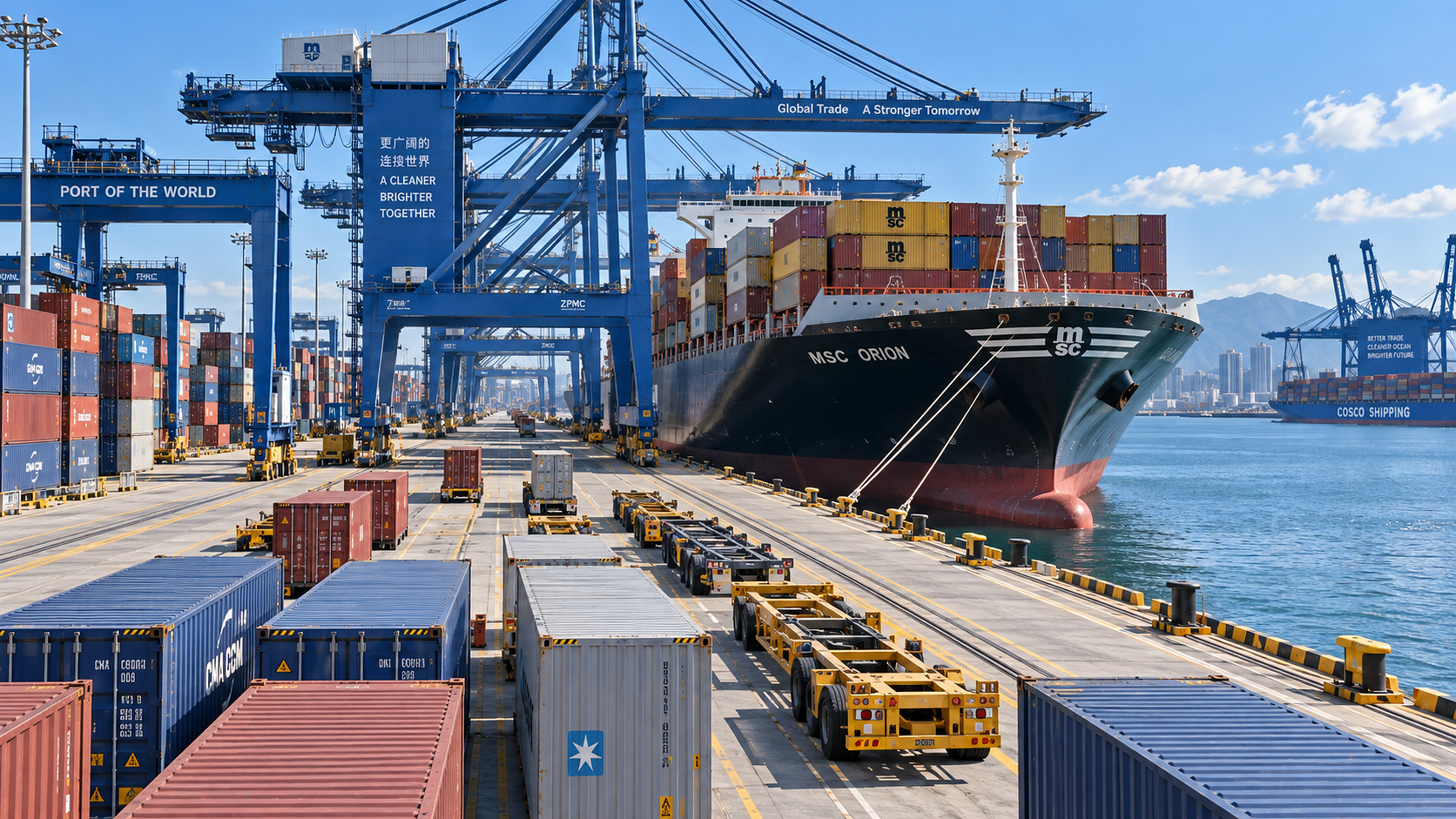
A more serious delay often lasts one to several weeks. This usually occurs when vessel arrivals bunch together, terminal yard density rises, and each delayed call pushes back the next one. Shipping lines may omit a port call, change terminals, discharge cargo at an alternate gateway, or delay equipment repositioning. The delivery date can shift repeatedly because the carrier’s estimated time of arrival is based on a moving vessel schedule rather than a fixed appointment.
Longer disruption is possible when congestion is linked to labor action, severe weather, channel restrictions, a cyber incident, regulatory disruption, or a prolonged shortage of inland capacity. In those cases, a container may face delays at multiple points rather than one identifiable queue. A shipment that misses its intended rail departure, for example, may wait for the next available service even after it has left the terminal.
The most useful planning assumption is this: the delivery delay may be longer than the vessel delay. A vessel waiting four days for a berth does not necessarily create only a four-day late delivery. It can miss a rail cut-off, truck appointment, warehouse booking, production window, or final-mile consolidation schedule.
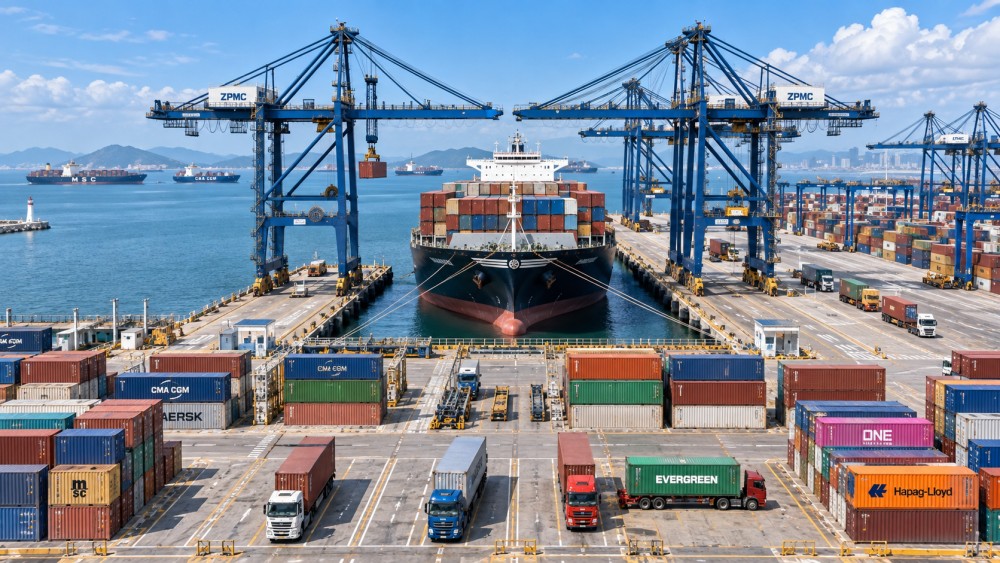
The conditions that determine whether the delay is days or weeks
Berth availability and vessel bunching
Ports operate on vessel windows, but actual arrival times shift during an ocean voyage. When several large vessels arrive close together after weather delays, route diversions, or earlier schedule slippage, terminals may not have enough berths and cranes available at once. The queue is not always visible from a container tracking page, yet it can be the first reason an estimated arrival changes.
A delayed vessel may also lose its planned berth position. Carriers then need to fit it into a later terminal window, which can create further uncertainty. This is why one revised arrival estimate should not automatically be treated as final while a port is under heavy pressure.
Terminal yard density and equipment flow
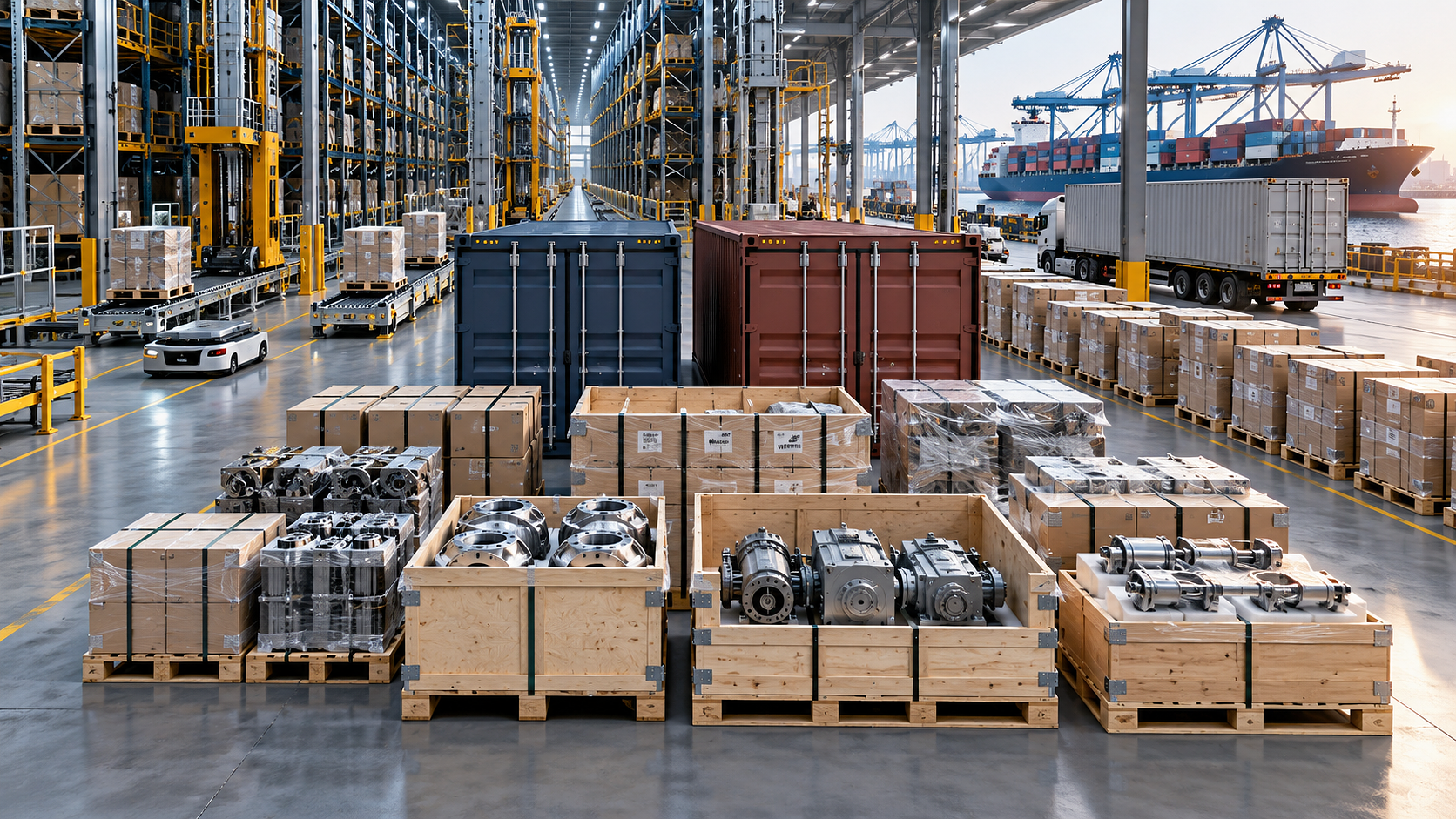
A port can have berths available while still moving cargo slowly. If the container yard is crowded, terminals may need to reshuffle stacks, limit empty returns, restrict export gate activity, or slow import pickups. Crane productivity alone does not determine how quickly a specific container becomes available.
Equipment availability also matters. Containers require chassis, trucks, handling equipment, drivers, and appointment capacity to leave the terminal. A shipment may be released on paper but remain difficult to collect because the collection system is constrained.
Customs, documentation, and cargo holds
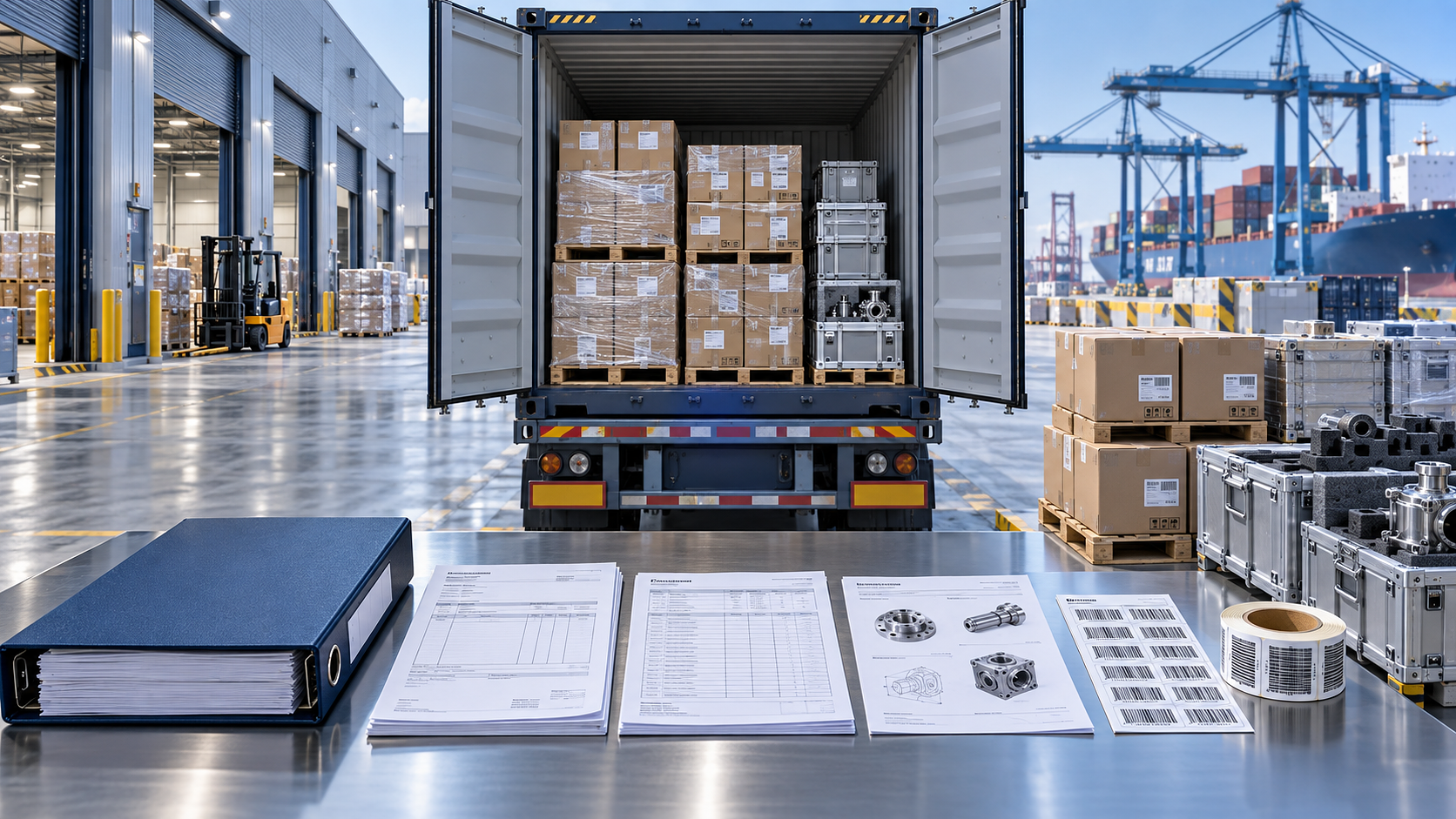
Congestion does not remove normal clearance requirements. It can make document errors more expensive because correcting a bill of lading, commercial invoice, packing list, filing, or delivery order may take place while terminal time continues to run. A customs examination or cargo hold can add delay independently of vessel and terminal conditions.
Importers should avoid treating customs clearance as an administrative detail to be completed after vessel arrival. Accurate commodity descriptions, consistent values, correct consignee data, and timely supporting documents reduce the chance that a routine clearance issue becomes a costly terminal dwell problem.
Inland transport capacity
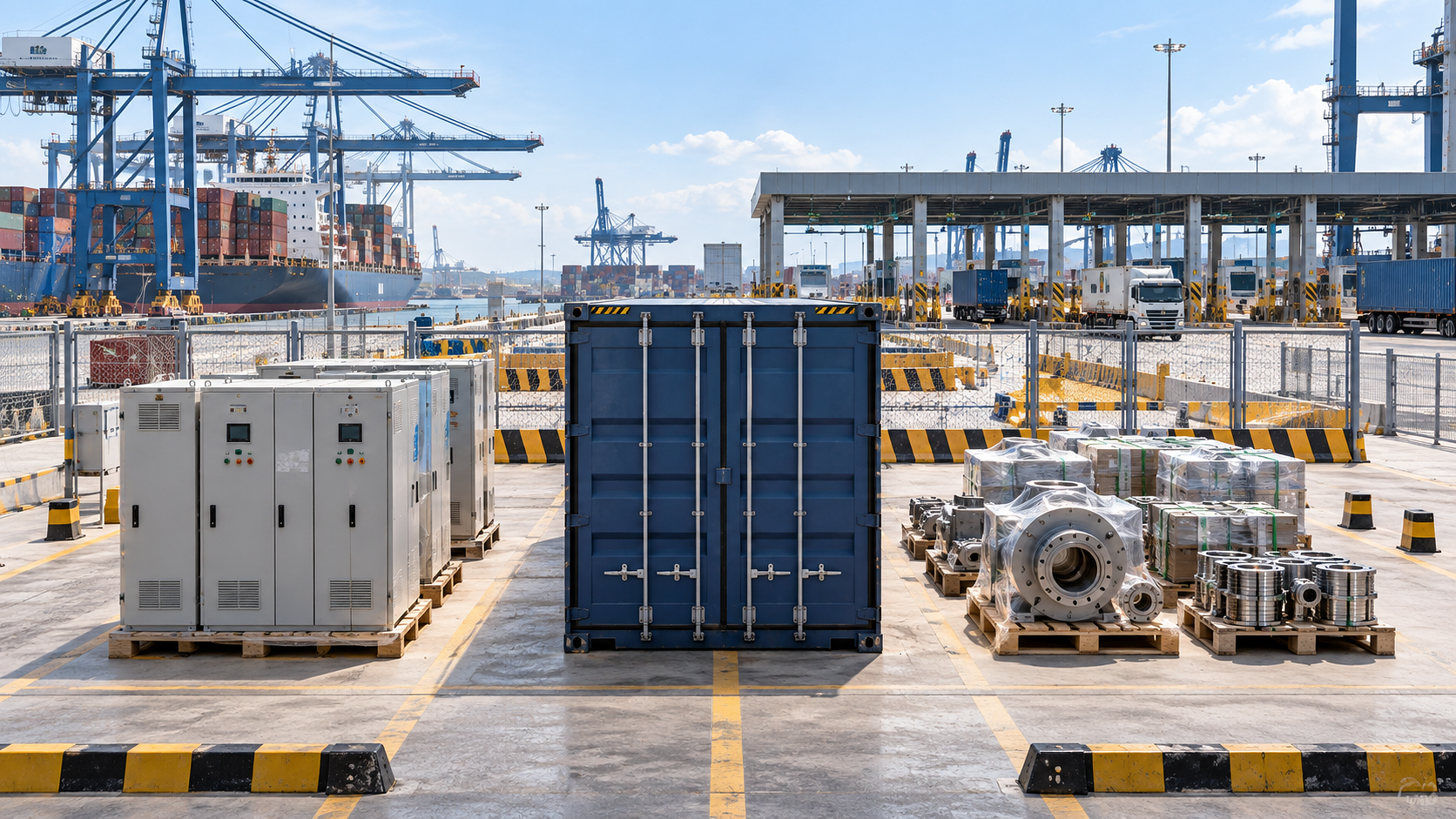
For cargo moving beyond the port, the inland leg frequently determines the actual delivery date. Rail terminals may have limited slots, inland depots may be congested, and truckers may face appointment restrictions or long turn times. Warehouses can also become a constraint when they cannot receive a late container at short notice.
This is especially important for containers carrying production inputs. A factory may only need the container one day after port release, but the original drayage plan can fail if the release happens outside the booked pickup window. The goods are physically close yet operationally unavailable.
Why carrier ETAs should be treated as planning signals, not delivery promises
An estimated time of arrival answers a narrow question: when the vessel is currently expected to reach a port area or terminal. It does not guarantee berth access, discharge timing, customs release, or delivery to a warehouse. During congestion, the difference between ETA, actual time of arrival, discharge date, and available-for-pickup date becomes material.
A more reliable status review uses several milestones:
- Current vessel position and revised port arrival estimate
- Berthing status or expected terminal window
- Container discharge confirmation
- Customs and carrier release status
- Terminal availability, appointment availability, and last free day
- Confirmed onward rail or truck collection plan
These milestones expose where the delay sits. They also prevent a common mistake: escalating with the ocean carrier when the immediate issue is a missing customs release, an unavailable truck appointment, or a warehouse that cannot receive the load.
Costs can rise before the container is visibly late
Congestion creates more than a delivery problem. It can affect inventory availability, production sequencing, customer commitments, and freight budgets. The most visible charges may include storage, demurrage, detention, rebooking, trucking standby time, or extra handling. The financial impact, however, is often larger when a late component interrupts a manufacturing line or forces an urgent replacement shipment.
Demurrage and detention are often confused. Demurrage generally relates to a container remaining at the terminal beyond the allowed period, while detention generally relates to equipment being kept outside the terminal longer than permitted. The precise treatment depends on the relevant carrier and location, but the operational lesson is consistent: track release dates, free-time deadlines, pickup appointments, and empty-return instructions as separate items.
Do not assume that paying for priority service will solve a constrained terminal. Premium carrier products may improve booking priority or visibility under certain conditions, but they cannot always overcome berth limits, customs holds, labor constraints, or a full inland rail network.
What to do when a container is heading into a congested port
The best response depends on how close the cargo is to arrival and how critical the delivery date is. Diversion can be reasonable for some cargo, but it may create new costs, documentation work, and inland transport complications. It is not automatically the fastest option.
- Confirm the operational bottleneck. Determine whether the vessel is waiting for berth, the container is awaiting discharge, clearance is incomplete, or inland capacity is missing.
- Separate the required dates. Record the latest acceptable port availability date, the latest warehouse delivery date, and the final date before production or customer service is affected.
- Secure inland capacity early. Request trucking, rail, chassis, and receiving availability before the container becomes available, especially where appointment slots are scarce.
- Prepare documents before discharge. Ensure clearance information and release instructions are complete so a terminal delay is not extended by paperwork.
- Review alternate routings carefully. Compare the total path, including port handling, customs, inland distance, and warehouse capacity, rather than comparing ocean transit time alone.
- Protect the most critical cargo first. If several containers are delayed, prioritize production-critical inputs, high-value goods, temperature-sensitive cargo, or shipments with contractual delivery exposure.
For recurring trade lanes, the stronger long-term solution is to build a lane-specific contingency plan. That can include alternate gateways, pre-qualified drayage providers, rail options, buffer stock for essential components, and supplier shipping windows that leave room for schedule variability. Extra inventory is not appropriate for every product, particularly slow-moving or perishable goods, but a small buffer can be cheaper than repeated emergency freight.
When changing ports makes sense, and when it does not
Changing the discharge port can reduce exposure when the original gateway has persistent vessel queues and the alternate port has usable onward capacity. It is most practical when cargo can move through a different customs location without disrupting the buyer’s documentation, bonded arrangements, or delivery schedule.
It is less attractive when the alternative adds a long inland move, requires scarce trucking capacity, creates a new rail bottleneck, or sends cargo to a warehouse that is not prepared to receive it. A diversion may move the delay from the water to the road. Before approving it, compare the likely available date at the original port with the realistic final delivery date through the alternative route.
For bulk industrial procurement and cross-border sourcing, this comparison should include more than freight cost. Material compatibility, packaging requirements, handling constraints, regulatory documentation, supplier lead time, and production dependency can all affect whether a route change is worthwhile. Supply chain intelligence platforms such as GTIIN can support this work by connecting port conditions and logistics signals with broader sourcing, trade, and industrial risk assessment.
FAQ
Can a container be delayed after the vessel has arrived?
Yes. Arrival only means the vessel has reached the port area or terminal. The container may still wait for discharge, customs clearance, carrier release, an appointment, rail loading, or truck collection.
Does port congestion always mean the shipping line is responsible?
No. The cause may involve the terminal, port authority, labor availability, weather, customs processing, trucking capacity, rail operations, or the consignee’s documentation and collection arrangements. Responsibility and practical control are not always the same.
Should delivery appointments be booked before the container is released?
Usually, yes, when the receiving site and transport provider can accommodate a tentative booking. Early coordination creates options, but the appointment should remain flexible enough to absorb changes in discharge and release timing.
How can a business reduce repeated congestion risk?
Use more than one viable gateway where the cargo and inland network allow it, monitor shipment milestones beyond vessel ETA, qualify inland transport alternatives, and align inventory buffers with the consequences of a late delivery. The goal is not to predict every disruption, but to avoid having one congested port control the entire supply chain.
Weekly Insights
Stay ahead with our curated technology reports delivered every Monday.
Recommended News
 Supply ChainSep 30, 2026What are the essential steps in a procurement risk management process?
 Supply ChainSep 29, 2026How customs latency can disrupt time-sensitive inbound shipments
 Market TrendsSep 28, 2026What freight market insights reveal about carrier capacity shifts
 Supply ChainSep 27, 2026How importers can reduce customs delays through trade compliance