How can I check whether a supplier meets required quality standards? Start by matching verified supplier evidence to your specifications, destination-market regulations, and contractual requirements.
For procurement teams navigating cross-border sourcing, a certificate alone is not enough. Reliable verification connects documented capabilities with the products and facilities actually being purchased from.
This GTIIN guide explains how to validate certifications, assess production controls, review testing records, and commission audits or inspections according to the risks involved.
The practical goal is a defensible purchasing decision: identify what must be proven, establish acceptable evidence, and resolve material gaps before committing to production.
What Evidence Actually Proves a Supplier Meets Your Requirements?

There is no universal document that proves supplier quality. Buyers need several complementary forms of evidence, each answering a different question about capability and compliance.
A management-system certificate supports confidence in organizational processes. Product testing addresses specified characteristics. Factory audits examine implementation, while shipment inspections assess the goods presented for release.
The strongest approach connects these layers to the same legal entity, manufacturing location, product specification, and production lot wherever those links are relevant and available.
For procurement leaders, the business value comes from reducing uncertainty before expensive commitments: tooling payments, production deposits, inventory allocation, and customer delivery promises become harder to reverse.
Define “Required Quality” Before Reviewing Supplier Documents
Begin with a written acceptance specification. Without one, a supplier may demonstrate compliance with its internal standards while still failing your operational or customer requirements.
Separate mandatory legal obligations from voluntary standards and commercial preferences. The applicable rules depend on product classification, intended use, destination market, and your supply-chain role.
Translate broad requests such as “industrial grade” into measurable characteristics. Include dimensions, material composition, performance limits, workmanship criteria, packaging requirements, and the methods used to verify them.
- Product definition: drawings, model numbers, approved materials, tolerances, intended use, and revision status.
- Acceptance rules: test methods, inspection conditions, defect classifications, sampling arrangements, and release authority.
- Compliance obligations: applicable legislation, required conformity procedures, labeling, declarations, and technical documentation.
- Traceability expectations: batch identification, material records, production history, document retention, and change notification.
For example, specifying stainless steel is insufficient when corrosion resistance matters. State the required grade, relevant material standard, traceability expectations, and any necessary verification testing.
Resolve conflicting requirements before quoting or ordering. A signed specification with an identified revision gives purchasing, engineering, suppliers, and inspectors the same basis for acceptance.
How Do You Check Whether a Supplier’s Certificate Is Genuine?
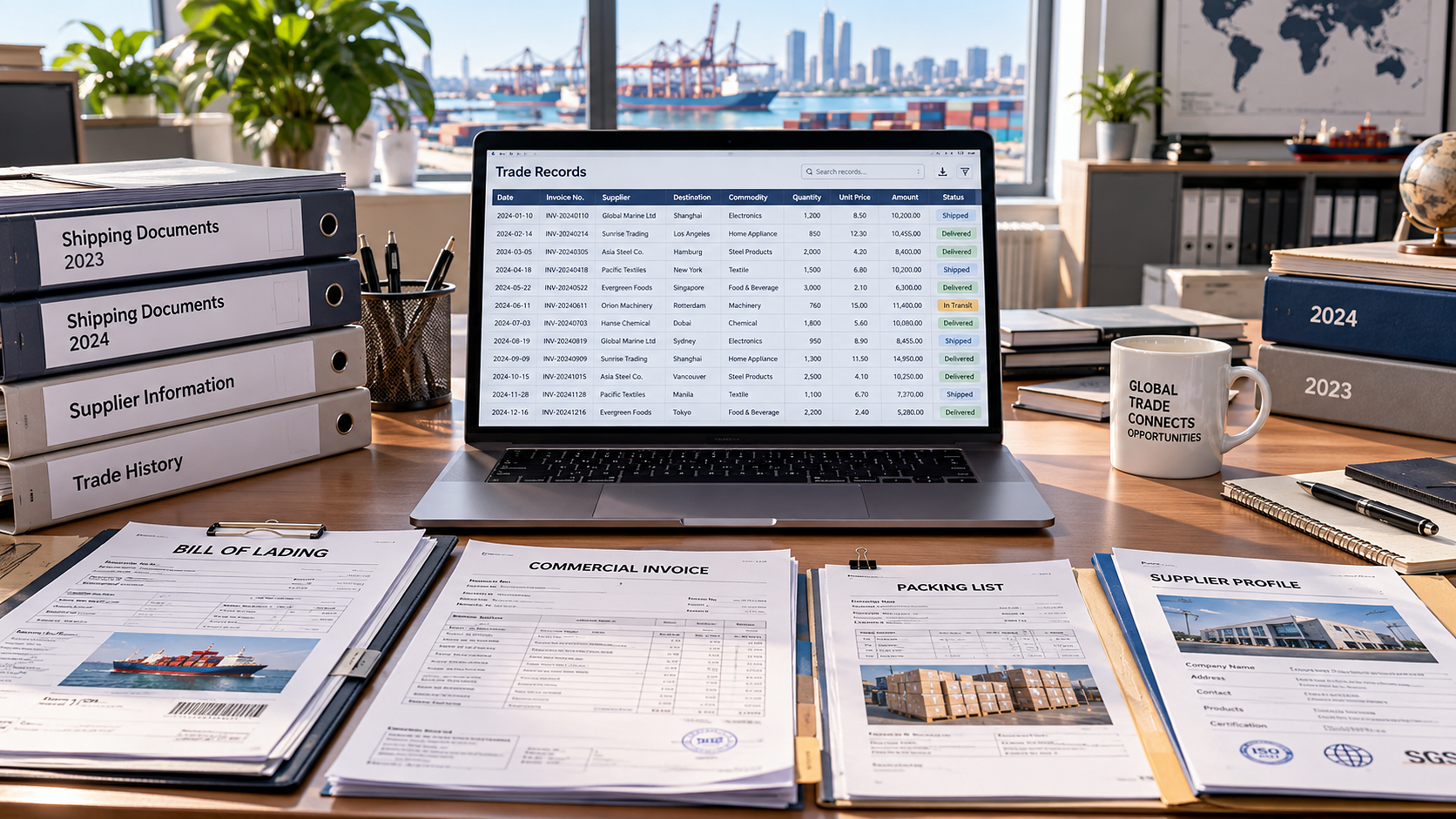
Request a complete, legible certificate showing the certified organization, site address, certification standard, scope, certificate number, issuing body, and validity information, including any relevant annexes.
Check the certificate through the issuing certification body’s official verification channel. Where applicable, confirm the body’s accreditation and relevant scope through the accreditation body’s directory.
IAF CertSearch can support verification of accredited management-system certifications. If a record is unavailable, investigate directly with the issuer before drawing conclusions about its authenticity.
Match the scope and location to your purchase. A certificate covering distribution activities or another factory does not establish certification of the proposed manufacturing operation.
ISO 9001 certification concerns a quality management system; it does not certify individual products. ISO itself does not issue certificates, so verify the actual certification body.
Also distinguish management certification from regulatory conformity. For example, CE marking follows applicable EU product legislation; the required conformity assessment depends on the product category.
Which Test Reports and Production Records Should You Request?
Ask for reports covering the actual product, material, or configuration you intend to buy. Similar model names and generic laboratory summaries can conceal meaningful differences.
Review sample identification, test dates, methods, acceptance limits, results, and report authorization. Check whether the tested version matches the current drawing and bill of materials.
When using an accredited laboratory, confirm that its ISO/IEC 17025 accreditation scope covers the relevant tests. Accreditation does not automatically cover every service offered.
Material certificates and certificates of analysis should connect to the supplied batch. For higher-risk purchases, confirm authenticity with the issuer and consider independent verification testing.
Ask who selected the samples and how they were handled. Independently collected, traceable samples provide stronger evidence against substitution than unidentified samples submitted by a supplier.
There is no universal expiration period for every test report. Relevance depends on regulatory requirements, specification changes, material substitutions, process changes, and applicable customer rules.
When Is a Factory Audit Worth the Cost?
A factory audit is most valuable when failure consequences are substantial or production capability remains uncertain. Prioritize new suppliers, critical components, specialized processes, and opaque subcontracting arrangements.
Use an auditor with relevant manufacturing knowledge. A general checklist may overlook the process parameters that determine whether your specific product can be produced consistently.
Remote document reviews can screen suppliers efficiently, but they provide less direct evidence of operating conditions. Select the audit method according to unresolved risks and access constraints.
- Production controls: current work instructions, equipment maintenance, process settings, and operator competence.
- Measurement reliability: suitable instruments, calibration status, and measurement capability where necessary.
- Material control: incoming verification, approved sources, segregation, and batch identification.
- Problem resolution: nonconforming-product controls, root-cause investigation, and evidence that corrective actions worked.
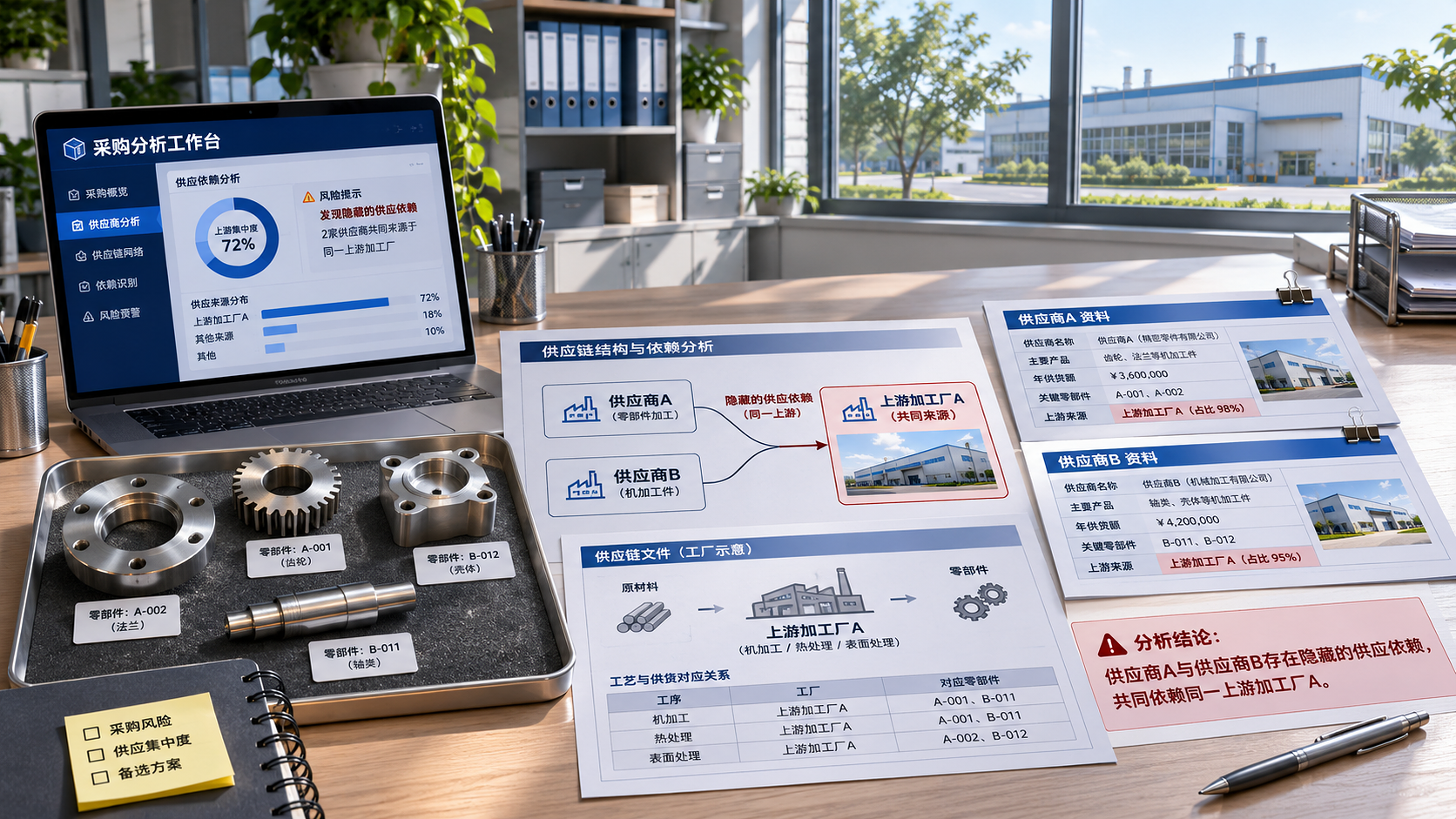
- Supply-chain visibility: outsourced operations, subcontractor approval, and notification of production-site changes.
Follow one selected order or batch through purchasing, production, inspection, and dispatch records. This tests whether documented procedures function together under actual operating conditions.
Require findings to identify objective evidence, severity, responsible owners, and closure dates. Critical gaps should block approval until corrective actions are implemented and their effectiveness verified.
How Can Buyers Confirm That Samples Represent Future Production?
An excellent sample proves that acceptable units can be made. It does not establish that the supplier can repeatedly manufacture acceptable quantities under normal conditions.
Approve a controlled reference sample alongside drawings and measurable acceptance criteria. Record its revision and permitted variations so appearance judgments do not replace technical requirements.
Use a pilot order when scaling uncertainty matters. Review production yield, defect patterns, output stability, traceability, and delivery performance against predefined acceptance criteria before increasing volume.
For critical characteristics, examine process-capability evidence only after confirming stable production and suitable measurement. Capability indices require sufficient representative data and appropriate statistical assumptions.
Choose inspection timing around the likely failure mechanism. Incoming checks address material substitution; in-process checks catch hidden defects; final inspections assess completed goods before shipment.
Agree that approval applies to specified materials, processes, sites, and configurations. Require notification and authorization for relevant changes, followed by requalification where the change warrants it.
What Can Pre-Shipment Inspection and AQL Sampling Tell You?
Pre-shipment inspection can check quantity, workmanship, dimensions, labeling, packaging, and selected functions. Its usefulness depends on clear criteria, appropriate timing, and access to representative goods.
Confirm the lot definition, production-completion threshold, sampling method, defect categories, and acceptance rules before inspection. Inspectors should receive the approved specification and relevant reference samples.
Acceptance sampling under standards such as ISO 2859-1 supports lot decisions using defined plans. It carries statistical risks and does not guarantee the entire shipment.
An AQL value is a sampling-plan parameter, not permission to ship that percentage defective. Its interpretation depends on the selected plan and applicable switching rules.
Safety-critical characteristics may require stronger controls, including validated processes, traceability, specified testing, or complete inspection where appropriate. Ordinary workmanship sampling cannot replace required regulatory conformity assessments.
Define the response to failure contractually: containment, rework, sorting, retesting, reinspection, and release authorization. Link relevant payment milestones to accepted evidence where commercially feasible.
How Should Buyers Make the Approval Decision?
Use a documented decision gate that reflects both failure probability and business consequences. Order value alone is insufficient: inexpensive components can create major safety or downtime exposure.
A practical approval matrix separates mandatory conditions from improvement opportunities. Strong delivery performance cannot compensate for missing legal requirements, falsified evidence, or unresolved critical quality failures.
- Approve: applicable requirements are satisfied, evidence is credible, and remaining risks fall within the buyer’s documented acceptance criteria.
- Approve conditionally: limited, noncritical gaps have owners and deadlines, with restrictions such as smaller orders or additional inspection.
- Hold or reject: mandatory evidence is missing, critical controls fail, or the supplier cannot resolve material inconsistencies.
Investigate mismatched company names, unverifiable reports, denied factory access, unexplained subcontracting, and repeated specification changes. Each discrepancy needs resolution proportionate to its potential impact.
Allocate verification spending where it changes decisions. Complex or critical purchases justify deeper audits and testing; established, lower-risk purchases may need targeted checks and performance monitoring.
Set review triggers after approval, including significant complaints, process changes, certificate suspension, deteriorating defect rates, and production transfers. Supplier qualification should remain connected to current performance.
A Reliable Supplier Decision Requires Connected Evidence
Buyers can verify supplier quality by defining requirements, authenticating evidence, checking operational capability, and confirming production results. Each step should answer a specific purchasing risk.
Before committing, ensure your team can explain what was verified, which product and site it covers, what remains uncertain, and who authorized any residual risk.
That evidence trail turns supplier approval into a repeatable procurement discipline. It supports clearer contracts, more focused inspections, and better decisions across cross-border supply chains.