When does industrial procurement intelligence consulting reduce sourcing risk?
When Does Industrial Procurement Intelligence Consulting Reduce Sourcing Risk?
Industrial procurement intelligence consulting becomes valuable when a sourcing decision has consequences beyond the unit price on a quotation. That threshold is reached surprisingly often: when a plant depends on a single critical component, when a buyer is qualifying an unfamiliar overseas supplier, when a commodity contract is exposed to freight volatility, or when compliance requirements can stop goods at the border. In these situations, procurement teams are not simply comparing offers. They are deciding how much operational risk the business is willing to carry.
For global manufacturers, the difficult part is rarely finding supplier names. Online directories, trade shows, referrals, and sourcing agents can all produce a long list. The harder work is determining which supplier can meet the required specification consistently, ship under realistic lead times, document origin and compliance correctly, and remain viable if trade conditions shift. Industrial procurement intelligence consulting reduces sourcing risk when it turns those separate questions into a decision framework rather than leaving them as disconnected assumptions.
This is especially relevant in cross-border industrial buying, where technical, commercial, regulatory, and logistics issues are often owned by different internal teams. Procurement may focus on cost and supplier responsiveness; engineering may focus on material grade, tolerances, or system compatibility; legal teams may review contractual exposure; logistics teams may see congestion or customs problems too late. A well-run intelligence process gives these teams a shared view of the supply chain before the purchase order becomes a production problem.
The point at which market research is no longer enough
Basic supplier research is appropriate for routine, low-consequence purchases. If a company is buying standard consumables with broad local availability, it may not need a deep review of trade flows, regional capacity, or geopolitical exposure. The economics change when an item is engineered, regulated, bulky, difficult to replace, or central to uptime.
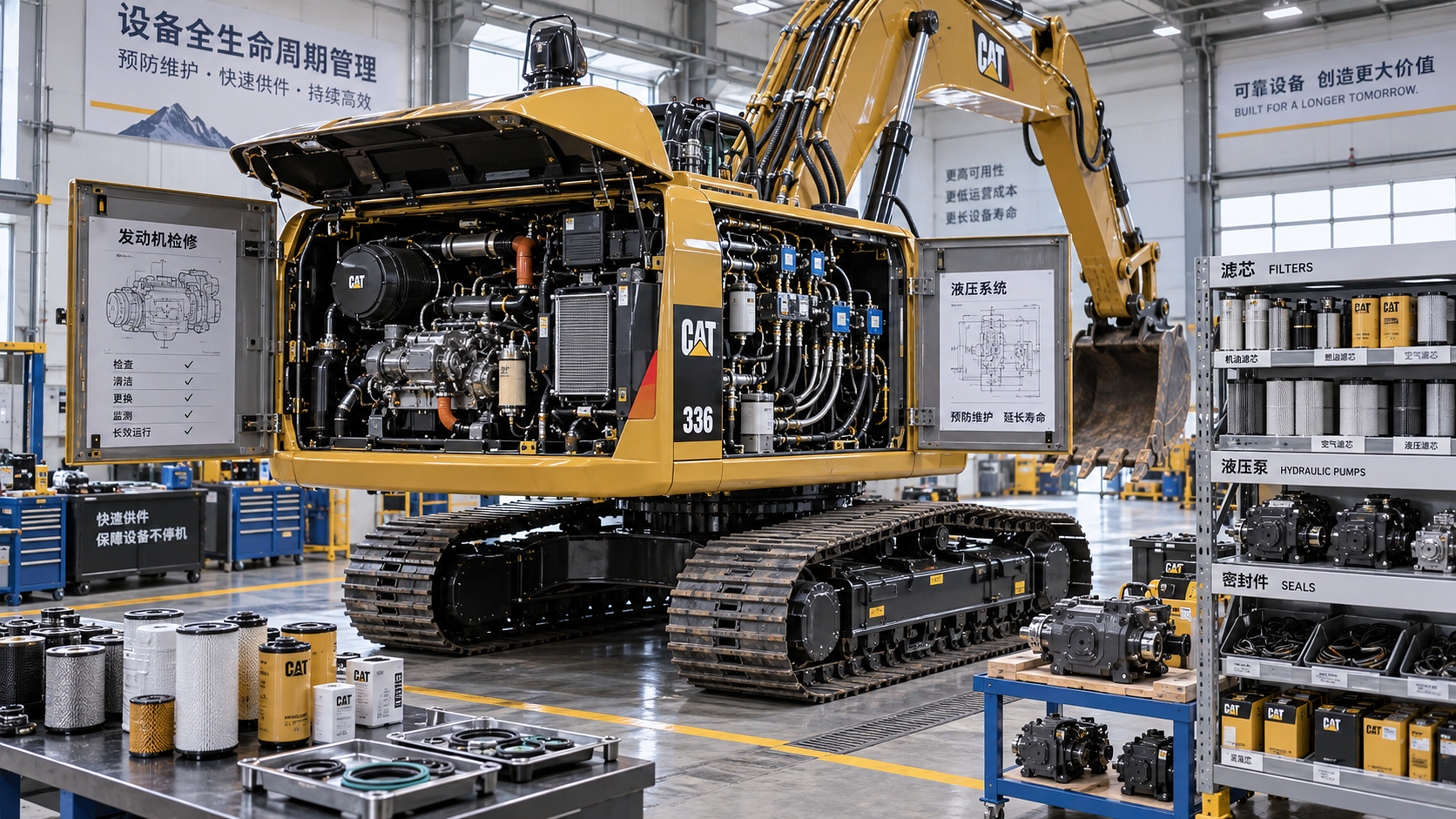
Consider the difference between purchasing generic fasteners and sourcing fatigue-resistant treated parts for heavy machinery. Both may look like metal components in a purchasing system, but the decision risk is entirely different. The second purchase requires a clearer understanding of the material specification, processing capability, inspection discipline, traceability, packaging method, and the supplier’s ability to repeat the process at volume. A low quote can be meaningless if the delivered component causes premature wear, warranty exposure, or a line shutdown.
The same applies to precision goods. Semiconductor-related packaging, for example, cannot be evaluated only through carton dimensions and freight cost. Clean-room requirements, handling conditions, moisture sensitivity, contamination controls, and documentation expectations can matter as much as transit time. In these cases, intelligence consulting should not replace engineering validation; it should help procurement identify where engineering validation is essential and where commercial assumptions are unsafe.
A useful practical test is this: if a supplier failure would force a production change, customer notification, emergency air freight, or redesign, the sourcing decision likely deserves more than a price comparison. It needs evidence.
Four conditions that justify a deeper intelligence engagement
Industrial procurement intelligence consulting tends to have the greatest impact under four conditions. They often overlap, which is precisely why sourcing teams struggle to assess them through conventional vendor onboarding.
- Supplier information is incomplete or difficult to verify. A supplier may present impressive product ranges and certificates, yet provide limited evidence about actual production scope, export experience, quality systems, subcontracting arrangements, or ownership structure. The issue is not automatically dishonesty. Many capable factories simply have uneven documentation, while trading companies may be appropriate for some categories but unsuitable for technically controlled purchases. The decision depends on what role the company truly plays in the supply chain.
- The market is exposed to concentrated supply. A material, component, or equipment category may rely heavily on a small number of regions, feedstocks, shipping lanes, or specialized producers. In concentrated markets, a disturbance that appears local can have global consequences. Buyers need to know not only who currently supplies the product, but also what sits upstream: energy inputs, raw materials, tooling, skilled labor, port access, and regulatory dependencies.
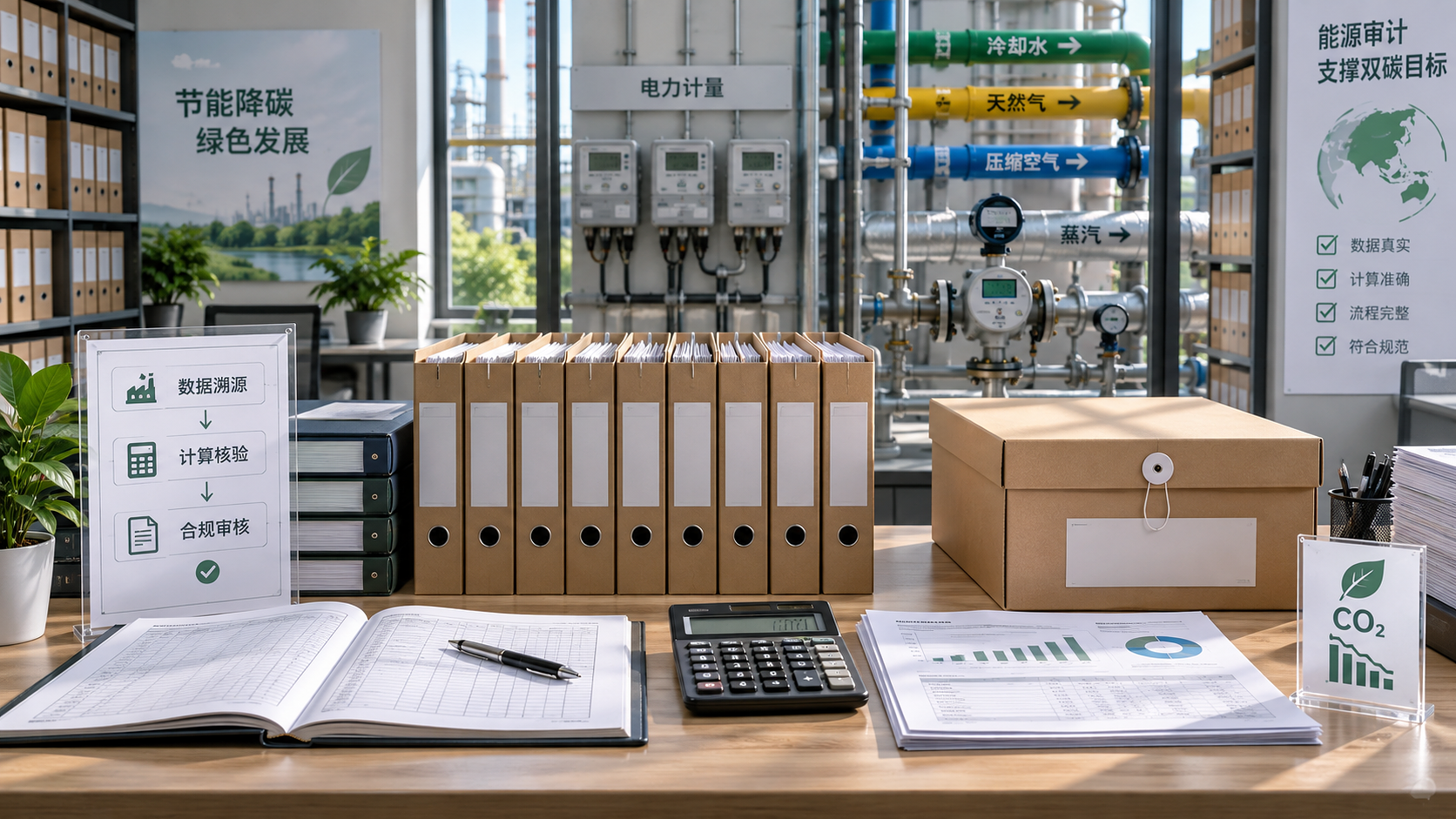
- Compliance affects the ability to sell or import the finished product. Product requirements vary by market and application. Environmental disclosures, origin records, technical test reports, product safety obligations, and sector-specific rules may be relevant, but their importance should be assessed against the actual product and destination. For European trade, issues such as the EU Carbon Border Adjustment Mechanism may affect certain covered goods and supply-chain reporting expectations; they should not be treated as a universal rule for every industrial import.
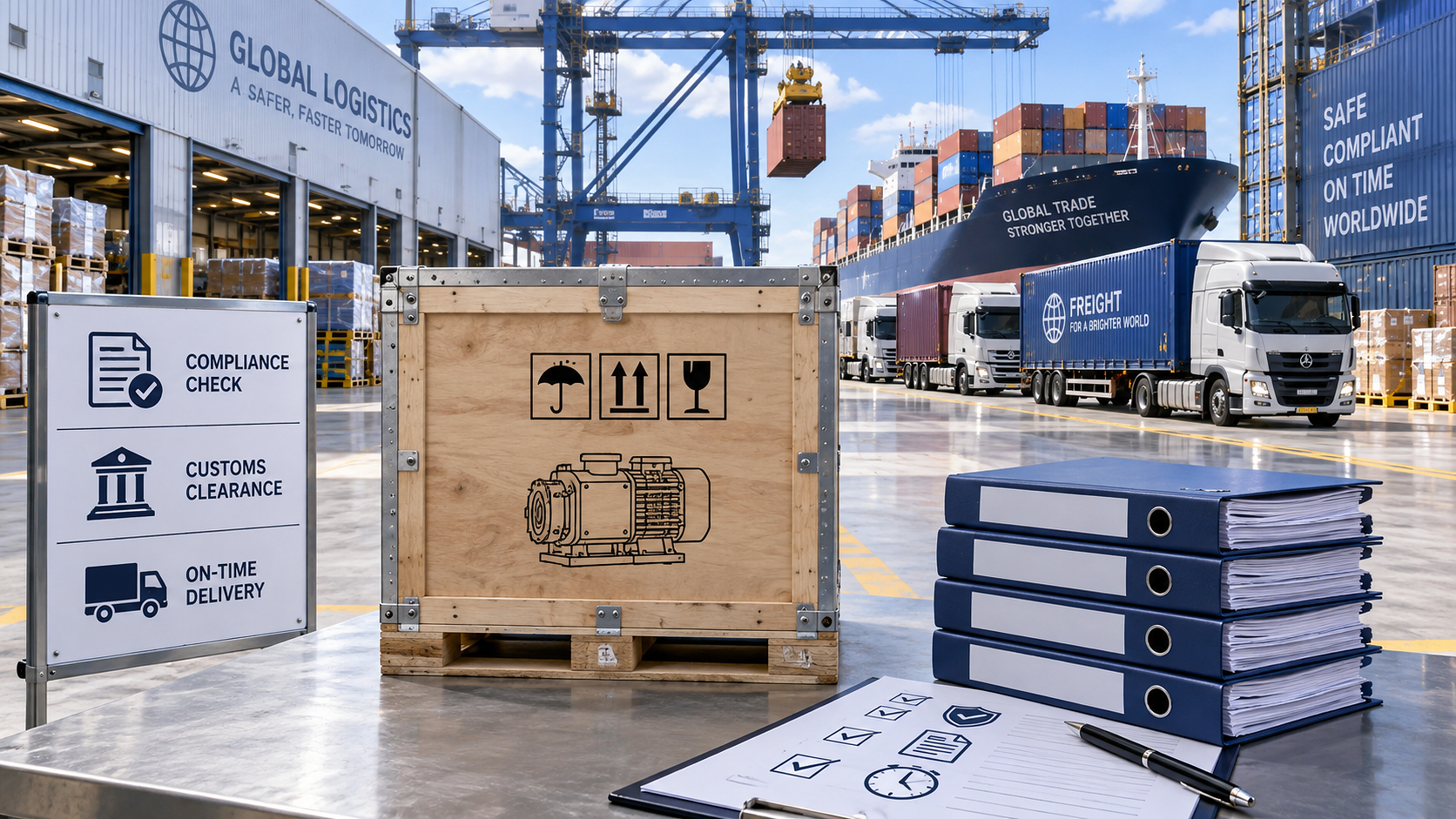
- Logistics is part of the product cost and delivery promise. For heavy equipment, bulk materials, oversized cargo, or components with strict handling conditions, logistics is not a back-office activity. Port reliability, carrier availability, route options, customs clearance capacity, inland transport, and packaging integrity all affect the real delivered outcome.
The consultancy’s role is most useful when it makes these dependencies visible early enough to change the sourcing plan. A report delivered after supplier nomination may still be informative, but it has limited value if tooling is already committed and production deadlines leave no room for correction.
Supplier due diligence should answer operational questions, not just corporate ones
Many procurement reviews stop at registration documents, website checks, financial screening, and reference calls. Those steps are sensible, but industrial sourcing risk usually lives deeper in the operating model. Can the supplier manufacture the specified item, or is key work outsourced? Is the quoted lead time based on available capacity or an optimistic sales estimate? Does the supplier understand the destination market’s documentation requirements? Are incoming materials controlled in a way that supports the promised grade and performance?
The evidence needed will vary by category. A fabricated steel structure may require scrutiny of drawings, welding procedures, material traceability, coating requirements, load assumptions, and shipping dimensions. Industrial automation equipment introduces a different set of questions: interface compatibility, software support, spare-parts availability, electrical requirements, cybersecurity expectations, and service coverage. Livestock infrastructure may require buyers to assess corrosion resistance, cleanability, biosecurity features, and conditions in the intended operating environment. Treating every supplier with one generic scorecard creates false confidence.
This is where a sector-aware approach matters. A credible review connects the supplier’s claimed capability to the physical and commercial realities of the item being bought. It also distinguishes between evidence that is useful for initial screening and evidence that must be verified during qualification, sample approval, audit, or contract negotiation.
Risk is often hidden in the route between factory and receiving dock
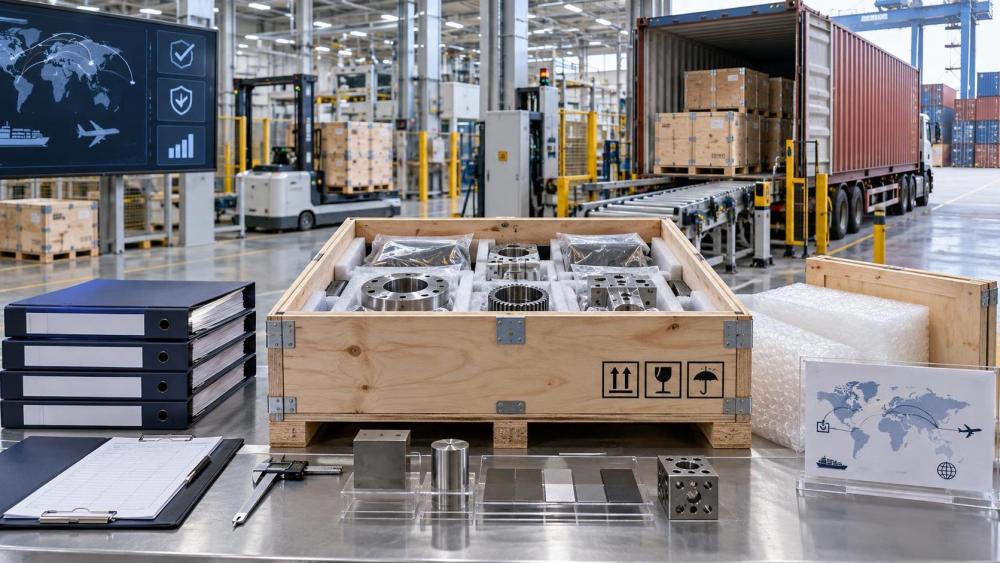
Procurement teams can accurately assess ex-works pricing and still misjudge total sourcing exposure. The route matters. A supplier located near a port may look attractive, but that advantage can disappear if the relevant terminal has recurring congestion, the cargo needs specialized handling, or customs documentation is routinely delayed. Conversely, a slightly higher factory price can be justified if the supplier has stable export processes, realistic packing methods, and predictable access to multiple logistics options.
Good intelligence work looks at more than average freight rates. Rates are snapshots; supply continuity depends on route resilience. Buyers should ask whether alternatives exist if a normal lane is disrupted, whether goods can move by sea, rail, air, or road when appropriate, and what changes in cost, packaging, insurance, or lead time those alternatives would create. The answer may be “no practical alternative,” which is still valuable to know before depending on the route.
Customs latency deserves similar attention. A delay may result from classification ambiguity, incomplete origin evidence, restricted materials, mismatched invoice descriptions, or local inspection practices. Intelligence consulting cannot guarantee clearance, but it can flag documentation and classification questions that should be resolved with customs specialists and local advisers before shipment. That is very different from discovering the issue after containers are already moving.
What a decision-ready procurement brief should contain
A useful consulting output is not a large dossier that leaves executives with more reading but no decision. It should make the trade-offs explicit. In practice, the best briefs separate facts, informed assessment, and unresolved questions. They identify which risks can be accepted, which can be mitigated, and which should prevent supplier nomination until further evidence is obtained.
For executive teams, the final recommendation should also state the confidence level behind it. “Proceed with a pilot order subject to documentation review” is a stronger and more honest recommendation than “supplier approved” when open technical or compliance questions remain. Staged qualification is not indecision; it is often the correct response to incomplete evidence.
Where consulting adds less value
Not every purchase needs a consulting engagement. It can be excessive for categories with established local alternatives, low switching costs, stable specifications, and limited regulatory exposure. It is also not a substitute for factory audits, laboratory testing, legal advice, customs classification, or engineering sign-off. A research provider that suggests otherwise is overstating its role.
The more sensible approach is proportionality. Use a lighter intelligence review for a new supplier of non-critical components. Escalate to a full supply-chain mapping exercise when the spend is material, the product is operationally critical, the sourcing geography is unfamiliar, or disruption would be expensive. The objective is not to eliminate every risk. That is neither realistic nor commercially efficient. It is to avoid taking risks that the organization does not understand.
Turning fragmented signals into a sourcing position
Global Trade Insights & Industry Network approaches this challenge through the connected lenses of global sourcing, supply chains, market trends, and industry standards. Its Full-Dimensional Supply Chain Mapping Model reflects a practical reality of industrial trade: micro-level details such as material performance, packaging conditions, carrier transit patterns, and customs friction cannot be separated from larger shifts in industrial policy, regional investment, and geopolitical risk.
For a CPO or manufacturing executive, the real value of industrial procurement intelligence consulting is not a more polished supplier list. It is the ability to make a sourcing decision with eyes open: knowing what has been validated, what needs specialist confirmation, where a second source is justified, and what early-warning indicators should be monitored after contract award. If the intelligence changes the supplier choice, contract terms, inventory policy, route design, or qualification plan before disruption occurs, it has done its job.
Tags
- industrial sourcing
- global sourcing
- industrial procurement
- industry standards
- customs clearance
- industrial automation
- heavy machinery
- material performance
- supply chain mapping
- air freight
- geopolitical risk
- carbon border adjustment mechanism
- supplier due diligence
- heavy equipment
- procurement intelligence
- customs latency
- corrosion resistance
- industrial procurement intelligence
- industrial automation equipment
- industrial procurement intelligence consulting
- procurement intelligence consulting
Weekly Insights
Stay ahead with our curated technology reports delivered every Monday.
Recommended News
 Supply ChainSep 22, 2026How heavy equipment lifecycle data can reduce unexpected downtime
 Supply ChainSep 21, 2026How export regulations affect logistics lead times and delivery risk
 Industry StandardsSep 20, 2026What evidence is needed to pass a carbon reporting audit?
 Industry StandardsSep 19, 2026When does manufacturing compliance consulting reduce audit risk?