EU Sanctions Tighten Dual-Use Export Limits on Chinese Firms
On July 24, 2026, export restrictions tied to the EU's twenty-first round of sanctions on Russia took effect for more than ten companies in mainland China and Hong Kong. According to the event summary provided, the measure followed the European Council's adoption of the new sanctions package on July 23 and its publication in the Official Journal of the European Union the same day. For companies involved in microelectronics, CNC machine tools, semiconductor manufacturing equipment, and related high-technology intermediate goods, the development is worth close attention because it changes the compliance path and supply-chain planning for overseas buyers sourcing from the listed firms.
What Has Entered Into Force
The confirmed facts provided indicate that the European Council adopted the twenty-first round of sanctions on Russia on July 23, 2026, and that the relevant text was published in the Official Journal of the European Union on the same day. Export restrictions involving Chinese-related entities became effective on July 24, 2026.
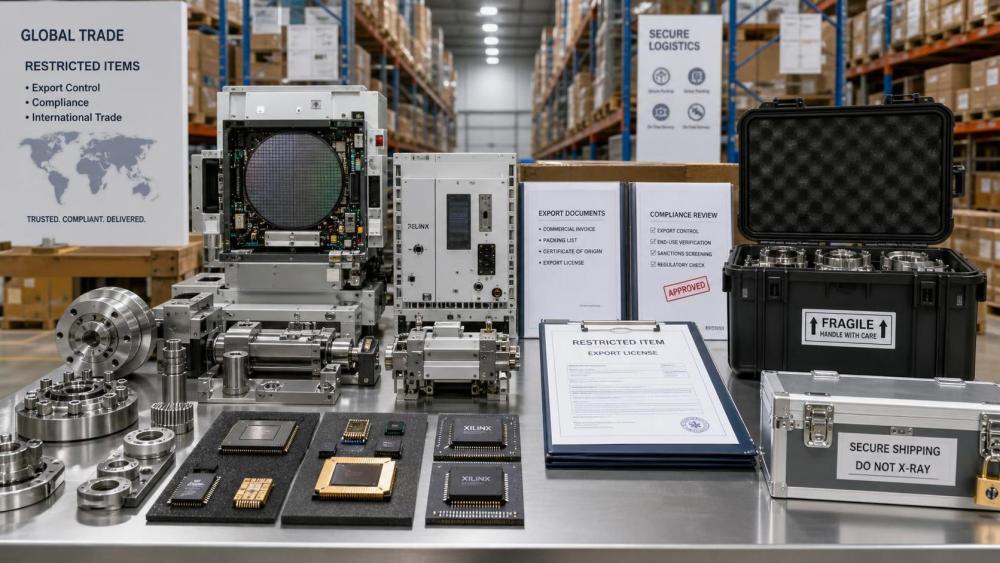
More than ten companies from mainland China and Hong Kong were added to a dual-use export restriction list after being accused of helping Russia circumvent controls related to microelectronics, CNC machine tools, and semiconductor manufacturing equipment. The measure directly affects the compliance route and supply-chain arrangements of overseas buyers importing high-technology intermediate products from those companies.
Where Commercial Friction May Appear First
Procurement teams face a narrower sourcing pathway
From an industry perspective, overseas procurement teams are likely to feel the impact first because the reported change is tied directly to whether imports from the affected suppliers can proceed under existing compliance procedures. The immediate pressure point is supplier screening, contract review, and purchase planning for high-technology intermediate goods linked to the categories mentioned in the event summary.
What deserves closer attention is not only the identity of the listed firms, but also whether ongoing orders, replacement sourcing, and technical approval processes now require additional internal review. For buyers, the operational issue is whether current sourcing assumptions remain usable once a supplier is subject to dual-use export restrictions.
Exporting and manufacturing businesses may see higher document scrutiny
Analysis shows that exporters and manufacturers connected to the affected product areas may encounter tighter review of commercial documents, technical descriptions, and transaction background materials. This is especially relevant where goods are intermediate products rather than finished equipment, because compliance questions often arise around product classification, technical parameters, declared end use, and end-user consistency.
Even where a company is not named in the reported measure, firms active in adjacent supply chains may need to pay closer attention to how customers, distributors, or service partners ask for supporting documentation. In practice, the issue is less about abstract policy change and more about whether shipments, quotations, and approvals can move forward without interruption.
Supply-chain and trade service providers may need to recheck routing and handover risk
Observably, logistics coordinators, distributors, and other supply-chain service providers may also need to reassess transaction handling where listed suppliers or controlled product categories are involved. The business impact may emerge in order acceptance, handover procedures, compliance declarations, and record retention requirements connected to export-related services.
Because the event summary points to a change in compliance pathways for overseas buyers, service providers should also watch for changes in customer instructions, supporting paperwork, and delivery sequencing. The core issue is whether previously routine trade flows now require additional verification before execution.
What Companies Should Watch Now
Review supplier status and product exposure promptly
Analysis shows that companies purchasing or distributing relevant high-technology intermediate goods should first identify whether any current or planned transactions involve the listed mainland China or Hong Kong suppliers. Particular attention is warranted for goods associated with microelectronics, CNC machine tools, and semiconductor manufacturing equipment, because those categories are expressly referenced in the event summary.
Recheck technical files and transaction documents
What deserves closer attention is the quality and consistency of technical documents, product descriptions, declarations, and transaction records used in procurement and export workflows. Where compliance expectations tighten, gaps between technical files and commercial paperwork can become a practical obstacle even before any broader market response becomes visible.
Track changes in delivery planning and customer commitments
Observably, businesses with ongoing shipments or framework purchasing arrangements should watch for delays or changes in approval timing. The provided information does not confirm specific enforcement outcomes, so it would be premature to state that delivery disruption has already materialized across the board. Still, this is a reasonable area for immediate monitoring in contracts, procurement calendars, and customer communication.
Follow official wording and downstream implementation signals
It is more appropriate to understand this stage as one that requires continued monitoring of official wording, implementation practice, and downstream commercial responses. Companies should pay attention to any later clarification in compliance language, procurement requirements, technical tender documents, and internal review standards used by customers or trade counterparties.
Why This Looks Like an Execution Signal
Analysis shows that this development is not merely another policy headline. Because the relevant restrictions were reported as effective from July 24, it carries the characteristics of a rule change that has already moved into force, at least at the level described in the provided summary. That matters for industry participants because the practical question becomes one of execution: whether and how supply relationships, purchasing procedures, and document review standards are adjusted in response.
At the same time, the available information remains limited. Observably, the summary confirms the new restriction and the affected business direction, but it does not provide the full operational detail needed to draw hard conclusions about enforcement intensity, transaction-by-transaction outcomes, or the pace of market adjustment. For that reason, the event should be read both as an implemented change and as a signal that further clarification still matters.
How This News Is Best Understood
From an industry perspective, the significance of this event lies in its immediate relevance to compliance routing and supplier choice in high-technology intermediate goods trade. It does not yet justify sweeping conclusions about broad market outcomes, but it does indicate that companies connected to the named product areas and supply relationships should re-examine sourcing assumptions, documentation readiness, and delivery planning.
It is more appropriate to understand this development as an effective rule change with direct operational implications, while also recognizing that the fuller market impact will depend on subsequent implementation signals, customer reactions, and how compliance checks are applied in practice.
Basis of This Article and What Still Needs Verification
This article is generated on the basis of the user-provided news title, event date, and event summary. For events of this type, relevant source categories usually include official notices, releases from regulatory authorities, customs or trade administration information, industry association updates, standard-setting documents, and reporting by authoritative media.
A specific official source link was not provided in the input and should therefore be verified on an ongoing basis. Observably, the areas that still require continued checking include any further policy detail, compliance interpretation, procurement and tender document changes, industry feedback, and how affected companies and counterparties implement the new requirements in actual transactions.
Tags
Weekly Insights
Stay ahead with our curated technology reports delivered every Monday.
Recommended News
 Supply ChainOct 15, 2026How to choose a supply chain strategy for unpredictable demand
 Supply ChainOct 14, 2026How to assess an industrial equipment supplier's spare parts support
 Supply ChainOct 14, 2026EU Updates CSDDD Guidance on Global Supply Chain Due Diligence
 Global SourcingOct 13, 2026How to assess industrial automation suppliers for legacy integration