
EU Updates CSDDD Guidance on Global Supply Chain Due Diligence
The European Commission released updated implementation guidance for the Corporate Sustainability Due Diligence Directive (CSDDD) on October 14, 2026, clarifying human rights and environmental due diligence standards for multinational companies’ global procurement and supply chain management. The guidance calls for stricter carbon footprint and labor compliance reviews of non-EU suppliers by importers and purchasing companies, with the detailed provisions set to take full effect in 2027.
For procurement teams, the immediate significance is the closer connection between supplier assessment and sustainability due diligence. Carbon footprint and labor compliance information could carry greater weight when buyers evaluate suppliers, alongside commercial considerations such as price and delivery.
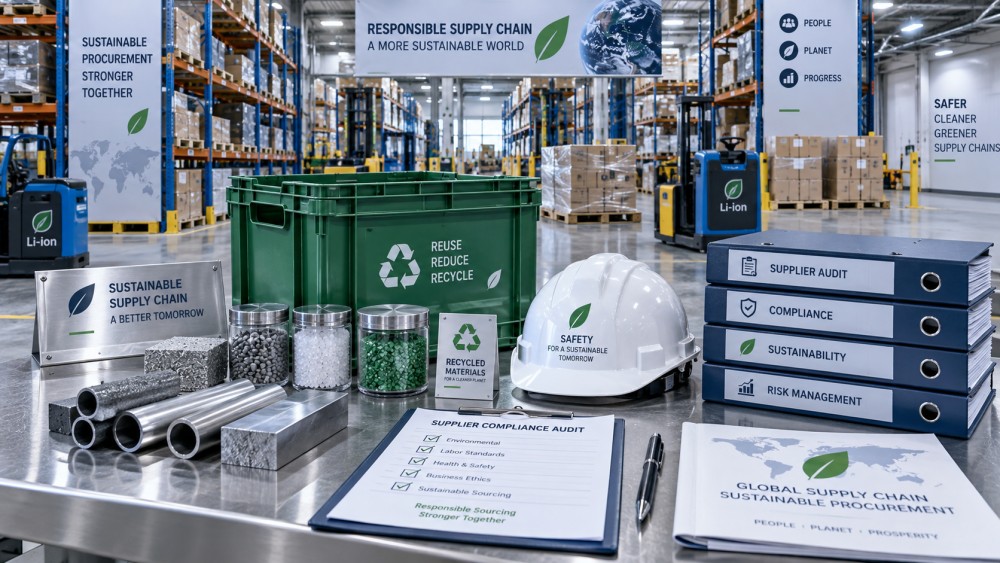
Supplier assessment is a likely pressure point
The first operational effects may emerge during supplier selection and ongoing reviews. Buyers applying stricter scrutiny could seek more detailed information about suppliers’ environmental performance and labor practices. Non-EU suppliers may consequently face more extensive requests for supporting records or explanations, although the announcement alone does not establish which documents every supplier will need to provide.
This creates different practical concerns for the two sides of a purchasing relationship. Importers and purchasing companies may need to examine whether their existing review processes can support the clarified standards. Suppliers may need to consider how readily they can explain and substantiate the information buyers request. If additional reviews reveal gaps or require clarification, supplier approval and purchasing decisions could take longer.
What the update does—and does not—establish
The guidance signals stronger scrutiny of human rights and environmental issues in global sourcing. It does not, by itself, establish that buyers will replace suppliers, that procurement costs will rise across the market, or that every non-EU supplier will face identical demands. Those outcomes will depend on how the provisions apply to particular purchasing relationships and how companies implement them.
As the 2027 implementation point approaches, further official clarification on the scope of supplier reviews and the evidence expected will be especially relevant. These details will help procurement teams and suppliers assess whether existing information is sufficient and where additional work may be needed.
Weekly Insights
Stay ahead with our curated technology reports delivered every Monday.
Recommended News
 Supply ChainOct 14, 2026How to assess an industrial equipment supplier's spare parts support
 Supply ChainOct 14, 2026EU Updates CSDDD Guidance on Global Supply Chain Due Diligence
 Global SourcingOct 13, 2026How to assess industrial automation suppliers for legacy integration
 Industry StandardsOct 12, 2026How to verify that a technical standards database is up to date