Nine Countries Sign San Francisco Declaration on AI Supply Chains
On November 15, 2026, the United States and eight other countries signed the San Francisco Declaration on a Secure Foundation for Enduring Prosperity, an initiative aimed at coordinating the treatment of sensitive artificial intelligence technologies and supply chains. The signatories are the United States, South Korea, Japan, the United Kingdom, Australia, Israel, India, Qatar and the United Arab Emirates.
Signed in San Francisco under the Silicon Peace Initiative, the declaration seeks to establish a joint list covering sensitive AI technologies and supply chains. Its stated purpose is to protect global AI hardware and semiconductor supply chains from geopolitical risks. The agreement signals an effort to give participating countries a shared approach to identifying sensitive parts of those supply chains.
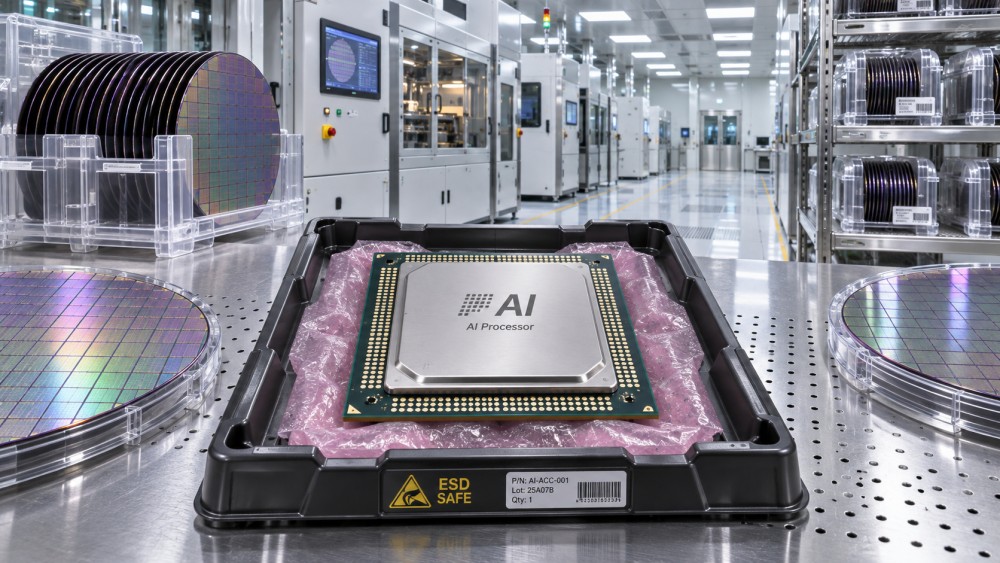
Why the proposed joint list matters
The proposed list is the declaration’s most direct connection to industry operations. Its practical significance will depend on what it includes and how the participating countries use it. A list focused on particular technologies, for example, could raise different questions for hardware suppliers than one that also identifies sensitive supply-chain activities.
For businesses involved in AI hardware and semiconductors, the key distinction is between identifying a technology or supply-chain activity as sensitive and attaching specific requirements to it. The declaration sets out an aim to establish a joint list; the consequences for procurement, production or cross-border supply will depend on the measures, if any, that follow.
That distinction also matters when assessing the scope of the agreement. The nine signatories are coordinating around a shared security objective, but the effect on a particular transaction or supplier cannot be inferred from the signing alone. The contents of the list and any subsequent implementation measures will be central to that assessment.
Where the effects could appear
Companies supplying AI hardware or semiconductors may need to pay particular attention to how sensitive items are defined. If a future list covers products or activities relevant to them, they may need to examine how those definitions relate to their supply arrangements. The immediate commercial questions would be whether an item is covered, which parties are affected and what obligations, if any, apply.
Customers and procurement teams could face a related set of questions. If participating countries introduce measures tied to the list, buyers may need to consider how those measures affect sourcing decisions and continuity of supply. Any effect on costs or delivery schedules would depend on the eventual rules and the supply arrangements involved; the signing itself does not establish a change in either.
The declaration also has a broader governance dimension. By bringing nine countries together around sensitive AI technologies and supply chains, it points toward a more coordinated approach to managing perceived geopolitical risks in AI hardware. Whether that coordination results in substantial changes across the wider market will depend on the scope and implementation of the proposed measures.
Further public details about the list, the process for applying it and any actions taken by the signatories will be important indicators of its industry impact. Until those details emerge, the clearest development is the shared commitment to identify sensitive technologies and supply-chain areas—not a demonstrated change to individual companies’ obligations.
Have questions about this sector analysis, or seeking best practices specific to your niche? Drop us a line below and let the senior consultants at GTIIN assist you.
“We respect your privacy. Your information is strictly confidential.”
Tags
Weekly Insights
Stay ahead with our curated technology reports delivered every Monday.
Recommended News
 Supply ChainNov 22, 2026Nvidia Server Partners Pause Southeast Asia Shipments Amid US Export Controls
 Global SourcingNov 22, 2026How to manage tariff risk when importing into Europe
 Supply ChainNov 21, 2026EU Ban on Plastic Waste Exports to Non-OECD Countries Takes Effect
 Industry StandardsNov 21, 2026How to use ESG standards for procurement supplier assessments