How Sustainable Supply Chains Reduce Long-Term Supply Risk
Long-term supply risk rarely starts with a single disruption. It builds through weak supplier visibility, fragile compliance practices, hidden environmental exposure, and sourcing decisions made without enough operational context.
That is why sustainable supply chains now matter far beyond reputation. In cross-border trade, they help reduce volatility, improve traceability, and strengthen the ability to absorb shocks over time.
For organizations evaluating suppliers, markets, and industrial networks, sustainability has become a practical lens for judging reliability, not just responsibility. It reveals whether a supply base can remain viable under tighter rules, resource pressure, and geopolitical change.
Why the risk conversation has changed
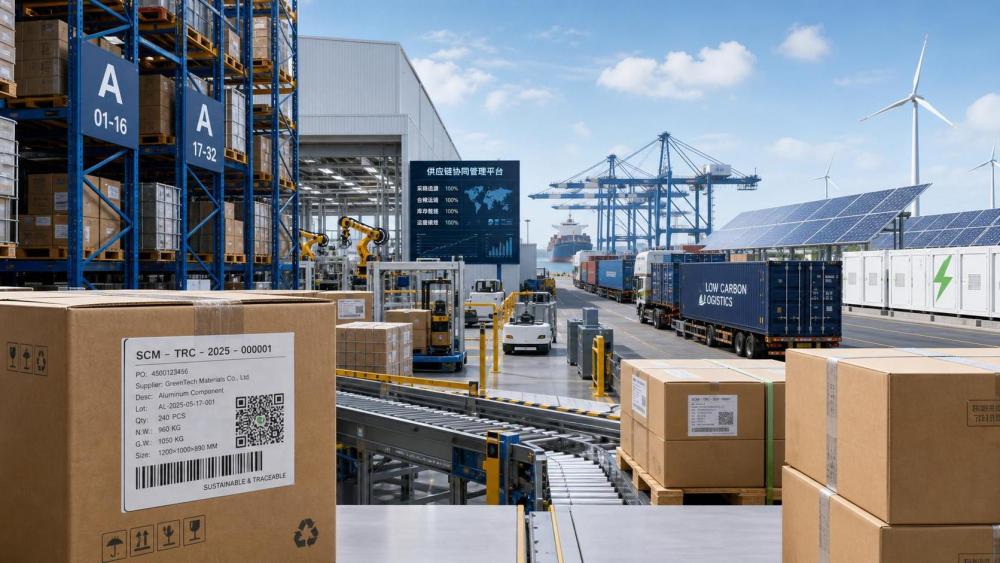
A decade ago, supply risk reviews often focused on price, lead time, and production capacity. Those factors still matter, but they no longer capture the full picture.
Energy shortages, export controls, climate events, labor scrutiny, carbon regulations, and logistics bottlenecks now affect supplier continuity in direct and measurable ways.
In this setting, sustainable supply chains offer a broader method for understanding exposure. They connect environmental, social, and governance performance with operational resilience.
Simple cost comparisons can miss structural weaknesses. A lower-priced source may carry greater risk if it depends on unstable water access, weak emissions reporting, poor labor controls, or vulnerable freight routes.
This is especially relevant across bulk commodities, industrial components, automated equipment, and regulated materials, where a single upstream issue can ripple across multiple downstream contracts.
What sustainable supply chains really mean in practice
Sustainable supply chains are often reduced to green branding. In reality, they are systems designed to maintain supply continuity while managing resource use, compliance obligations, and stakeholder risk.
That includes how raw materials are sourced, how factories manage energy and waste, how labor standards are monitored, and how logistics networks adapt to changing regulations.
It also includes data quality. Without consistent records on origin, processing, transit, and certification, sustainability claims cannot support sound risk decisions.
From a business perspective, sustainable supply chains reduce uncertainty by making vulnerabilities more visible earlier. Visibility allows intervention before disruption becomes loss.
Core elements linked to resilience
- Traceable sourcing that clarifies origin, processing standards, and supplier dependencies.
- Resource efficiency that lowers exposure to energy, water, and raw material cost shocks.
- Compliance readiness for carbon rules, due diligence laws, and import documentation demands.
- Workforce and governance controls that reduce shutdown risk tied to labor or ethics failures.
- Multi-tier transparency that helps identify concentration risk below the direct supplier layer.
How sustainability lowers long-term supply risk
The strongest value of sustainable supply chains appears over time. They do not eliminate disruption, but they improve the probability of stable delivery under stress.
They improve supplier durability
Suppliers that invest in cleaner production, safer labor management, and audited processes are often better organized operationally. That usually translates into fewer abrupt failures.
A factory with disciplined resource controls is generally better prepared for energy rationing, environmental inspections, or local policy tightening.
They reduce compliance disruption
Regulatory pressure is no longer limited to end-market labeling. Rules such as CBAM, forced labor screening, and expanded due diligence requirements can delay or block shipments.
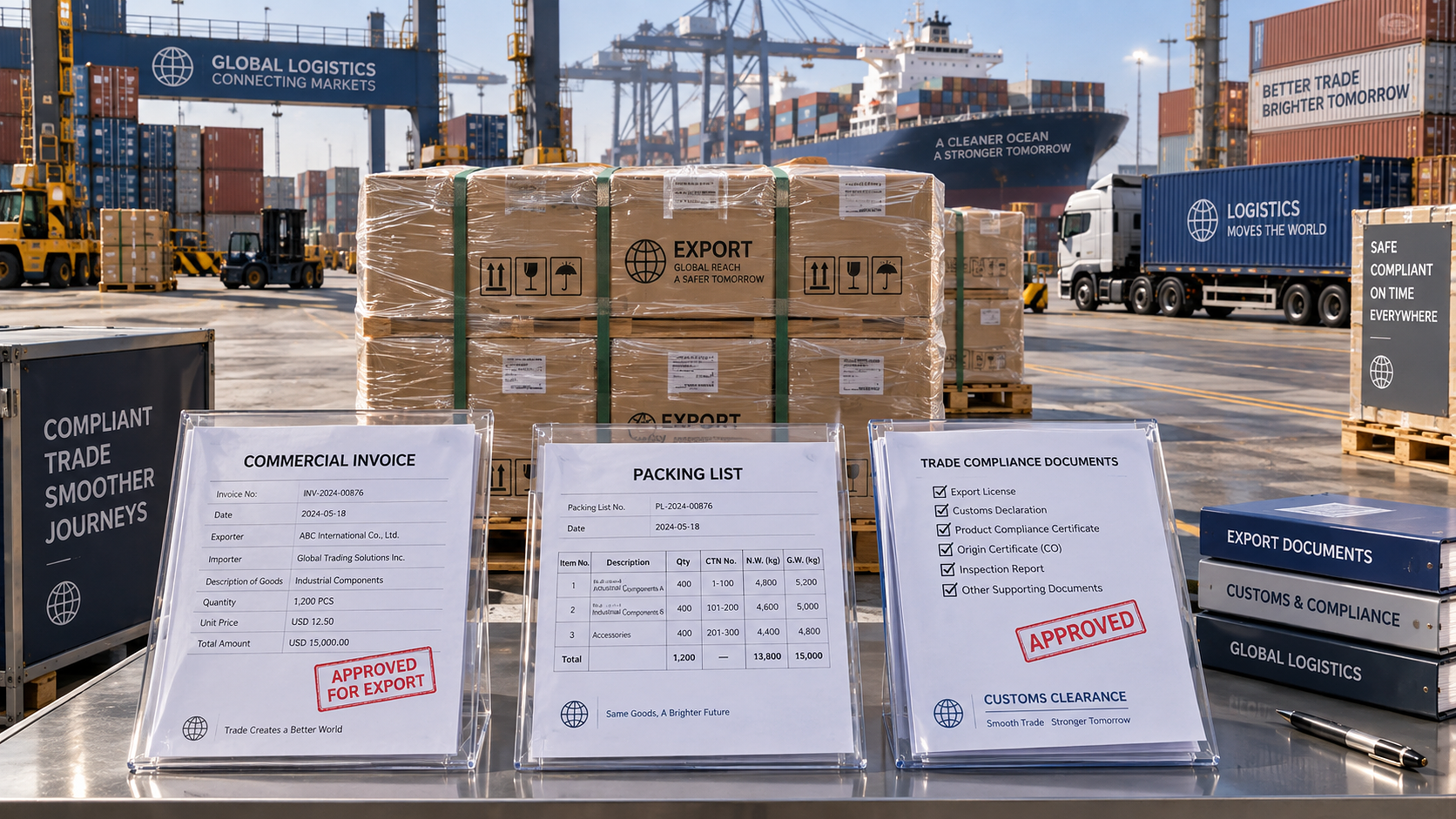
Sustainable supply chains support documentation, verification, and standard alignment before goods reach customs or customer review.
They reveal hidden cost risk
What looks cheap today may become expensive when carbon costs, rework, spoilage, waste treatment, detention, or reputational damage are included.
By linking procurement decisions to lifecycle and operational data, sustainable supply chains improve total cost visibility.
They support better scenario planning
A sustainable network is usually mapped in greater detail. That makes it easier to test alternate origins, substitute inputs, and logistics rerouting under stress conditions.
Where this matters most across industrial trade
The relevance of sustainable supply chains varies by category, but the risk logic is broadly consistent across sectors followed by GTIIN.
In each case, the issue is not sustainability as an abstract ideal. The issue is whether the chain can keep performing when standards tighten and operating conditions shift.
What to evaluate beyond supplier claims
A sustainability statement alone says little about long-term resilience. The more useful question is whether a supplier can prove disciplined control across operations, sourcing, and reporting.
This is where structured intelligence becomes important. GTIIN’s cross-sector analysis, export trend tracking, and supply chain resilience research are relevant because they connect factory-level indicators with macro trade shifts.
A supplier may appear stable in isolation, yet become vulnerable when regional freight congestion, customs latency, emissions rules, or upstream material concentration are added to the picture.
Useful evaluation signals
- Consistency of origin and chain-of-custody records.
- Energy, water, and waste management tied to measurable targets.
- Exposure to single-country sourcing or single-port logistics routes.
- Readiness for customer audits and market-specific compliance requests.
- Evidence of secondary suppliers or alternate production capacity.
- Alignment between reported sustainability metrics and actual delivery performance.
Turning the concept into a working decision framework
The most effective use of sustainable supply chains is practical, not rhetorical. They should inform sourcing models, contract review, and market entry decisions.
One useful approach is to combine traditional supplier scoring with resilience indicators. Price, quality, and lead time remain important, but they need context.
That context may include carbon exposure, customs sensitivity, infrastructure reliability, labor audit maturity, or dependence on climate-stressed inputs.
GTIIN’s Full-Dimensional Supply Chain Mapping Model reflects this broader logic. It links micro-level operational data with macro-level trade and regulatory conditions.
For decision-making, that means sustainable supply chains should be assessed as networks, not as isolated vendor promises.
A practical next-step sequence
- Map critical categories with the highest disruption cost.
- Identify sustainability-linked exposure at source, factory, and logistics levels.
- Compare direct suppliers with alternate regional or multi-country options.
- Review whether current contracts capture traceability and compliance obligations.
- Track external signals such as freight volatility, export policy, and environmental regulation.
A more resilient sourcing outlook
Sustainable supply chains reduce long-term supply risk because they expose weaknesses early, improve adaptability, and align sourcing with the realities of global trade.
They are not a guarantee against disruption. They are a stronger foundation for choosing partners, structuring supply networks, and avoiding risks that remain invisible in short-term cost models.
The next useful step is to review critical supply lines through both a resilience lens and a sustainability lens, then compare where the two reveal the same pressure points.
That overlap often shows where better data, tighter standards, or broader market intelligence can materially improve long-term sourcing decisions.
Weekly Insights
Stay ahead with our curated technology reports delivered every Monday.
Recommended News
 Supply ChainSep 24, 2026How trade compliance screening prevents costly shipment delays
 Supply ChainSep 23, 2026What drives cross-border logistics management pricing for importers?
 Supply ChainSep 22, 2026How heavy equipment lifecycle data can reduce unexpected downtime
 Supply ChainSep 21, 2026How export regulations affect logistics lead times and delivery risk