
How to Evaluate a Quality Assurance Standards Consultant
Selecting a quality assurance standards consultant is rarely a paperwork decision. It affects product consistency, audit readiness, supplier control, and the way risk travels across operations. In cross-border industries, where standards, logistics, and regulatory expectations shift quickly, the right advisor helps turn compliance into a stable operating discipline rather than a last-minute correction.
That matters even more when production networks span multiple countries and sectors. A consultant may be asked to interpret ISO frameworks, align plant procedures, review contract manufacturers, and connect quality performance with safety, traceability, and export requirements. The real test is whether that expertise works in live business conditions, not only in certification language.
What a quality assurance standards consultant should actually deliver
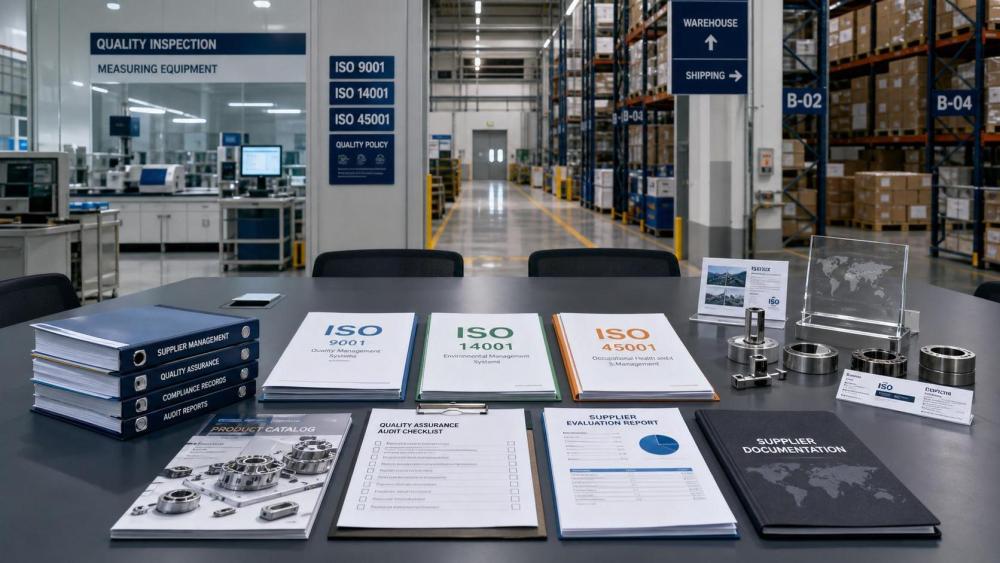
A capable quality assurance standards consultant does more than prepare documents for an audit. The role sits between management systems, factory practice, supplier governance, and regulatory interpretation.
In practical terms, that work often includes gap assessments, internal audit design, CAPA structure, process mapping, training, supplier qualification, and evidence review.
The strongest consultants also understand how standards behave differently across industries. ISO 9001 may be common, but its implementation in metal fabrication, food packaging, electronics, chemicals, or logistics is never identical.
This is where evaluation should begin. A consultant is not valuable because they know standard clauses by memory. They are valuable because they can translate those clauses into controls that survive production pressure.
Why evaluation has become more demanding
Quality programs now operate inside a broader risk environment. Market access, ESG pressure, product safety expectations, and supply chain disruption have made compliance more interconnected.
A quality assurance standards consultant may now need to address supplier traceability, packaging integrity, documentation latency, and regional regulatory variation alongside core quality procedures.
From a GTIIN perspective, this shift is visible across global sourcing and industrial trade. Standards are no longer isolated from procurement strategy or resilience planning.
A supplier can pass a narrow audit and still create serious downstream exposure through poor process discipline, weak change control, or inconsistent export documentation.
That is why consultant selection should reflect business reality. The question is not only whether a system can pass certification, but whether it can support continuity across multiple sites, vendors, and jurisdictions.
Core criteria for judging expertise
A reliable quality assurance standards consultant usually shows strength in several dimensions at once. Looking at one dimension alone often produces a misleading result.
Standards depth and regulatory fluency
Start with direct knowledge of the standards that matter to the operation. That may include ISO 9001, ISO 14001, ISO 45001, HACCP, GMP, IATF 16949, or sector-specific customer codes.
The consultant should explain not only clause intent, but also evidence expectations, typical nonconformities, and how requirements interact with local regulations or export markets.
Operational relevance
Credentials matter, but practical operating experience matters more. A strong advisor can discuss production constraints, maintenance delays, material variability, shift handover issues, and supplier inconsistency without speaking in abstractions.
That usually signals field exposure rather than purely classroom expertise.
Audit judgment
Not all auditors make strong consultants, and not all consultants understand audits well. The balance matters. Good audit judgment means knowing what is material, what is systemic, and what is merely cosmetic.
This directly affects how corrective actions are prioritized.
Communication quality
If a quality assurance standards consultant cannot explain a finding clearly, implementation will slow down. Clear reporting, concise risk statements, and usable action plans are part of the technical skillset.
Industry fit is often the deciding factor
Many consultant profiles look strong on paper. The difference appears when industry fit is tested. A consultant familiar with high-volume consumer goods may struggle in low-volume engineered equipment, and the reverse is also true.
Industry fit includes process familiarity, risk vocabulary, documentation norms, and the pace of corrective action expected by buyers or regulators.
For companies moving across regions or supplier tiers, this fit becomes even more important. GTIIN’s coverage of industrial sourcing trends shows the same pattern repeatedly: standards failures often begin as context failures.
Questions that reveal real capability
A selection process improves when interviews move beyond credentials. Specific questions make it easier to distinguish technical fluency from polished presentation.
- How would you assess whether a nonconformity is isolated or systemic?
- What evidence would you request before approving a corrective action closure?
- How do you adapt a quality system for multi-site or multi-supplier operations?
- Which leading indicators do you track before customer complaints increase?
- How do you manage conflicts between production urgency and standards compliance?
- What changes when the operation exports into stricter regulatory markets?
The best answers usually include examples, tradeoffs, and limits. Weak answers sound perfect but generic. Real quality work is rarely perfect, so useful consultants acknowledge constraints and show how they manage them.
How to assess long-term value, not just project completion
A quality assurance standards consultant should leave behind more than an audit file. Long-term value appears when internal teams can sustain the system after the project ends.
That usually means stronger document control, clearer escalation paths, better supplier review routines, and management reviews that use data instead of ceremony.
It also means the consultant helps define metrics that matter. These might include repeat deviation rates, CAPA aging, process capability trends, incoming defect levels, training effectiveness, or audit recurrence patterns.
If the advisor cannot connect standards work to operational indicators, the engagement may create administrative order without performance improvement.
Documentation should support control
One common mistake is mistaking document volume for system maturity. An effective quality assurance standards consultant simplifies where possible and adds rigor where failure risk is real.
That balance is especially important in fast-moving supply chains, where excessive documentation often delays action without improving traceability.
Common red flags during selection
Some warning signs appear early and should not be ignored.
- Promises of guaranteed certification outcomes.
- Heavy reliance on templates with little site-specific analysis.
- Minimal interest in supplier quality or upstream risk.
- No clear method for training, follow-up, or ownership transfer.
- Reports that describe issues without ranking business impact.
- Advice that treats safety, quality, and compliance as unrelated topics.
These issues become costly in sectors with export exposure, regulated materials, or high-consequence product use. In those environments, small interpretation errors can expand into recalls, shipment holds, or contract disputes.
A practical decision framework
A structured comparison helps keep the decision grounded. Rate each quality assurance standards consultant against a short set of weighted factors.
- Relevance of sector and process experience.
- Depth in required standards and market-specific compliance.
- Ability to evaluate suppliers, subcontractors, and remote sites.
- Quality of sample deliverables and corrective action logic.
- Strength of implementation plan and internal capability transfer.
- Fit with business pace, reporting needs, and decision culture.
This approach is more useful than choosing the lowest fee or the most recognizable certification background. Cost matters, but poor fit usually costs more after the contract is signed.
The next step is straightforward: define the risk profile, list the standards in scope, map supplier exposure, and compare consultants against real operating needs. That is the point where a quality assurance standards consultant becomes a strategic asset instead of a temporary compliance expense.
Weekly Insights
Stay ahead with our curated technology reports delivered every Monday.
Recommended News
 Supply ChainOct 15, 2026How to choose a supply chain strategy for unpredictable demand
 Supply ChainOct 14, 2026How to assess an industrial equipment supplier's spare parts support
 Supply ChainOct 14, 2026EU Updates CSDDD Guidance on Global Supply Chain Due Diligence
 Global SourcingOct 13, 2026How to assess industrial automation suppliers for legacy integration