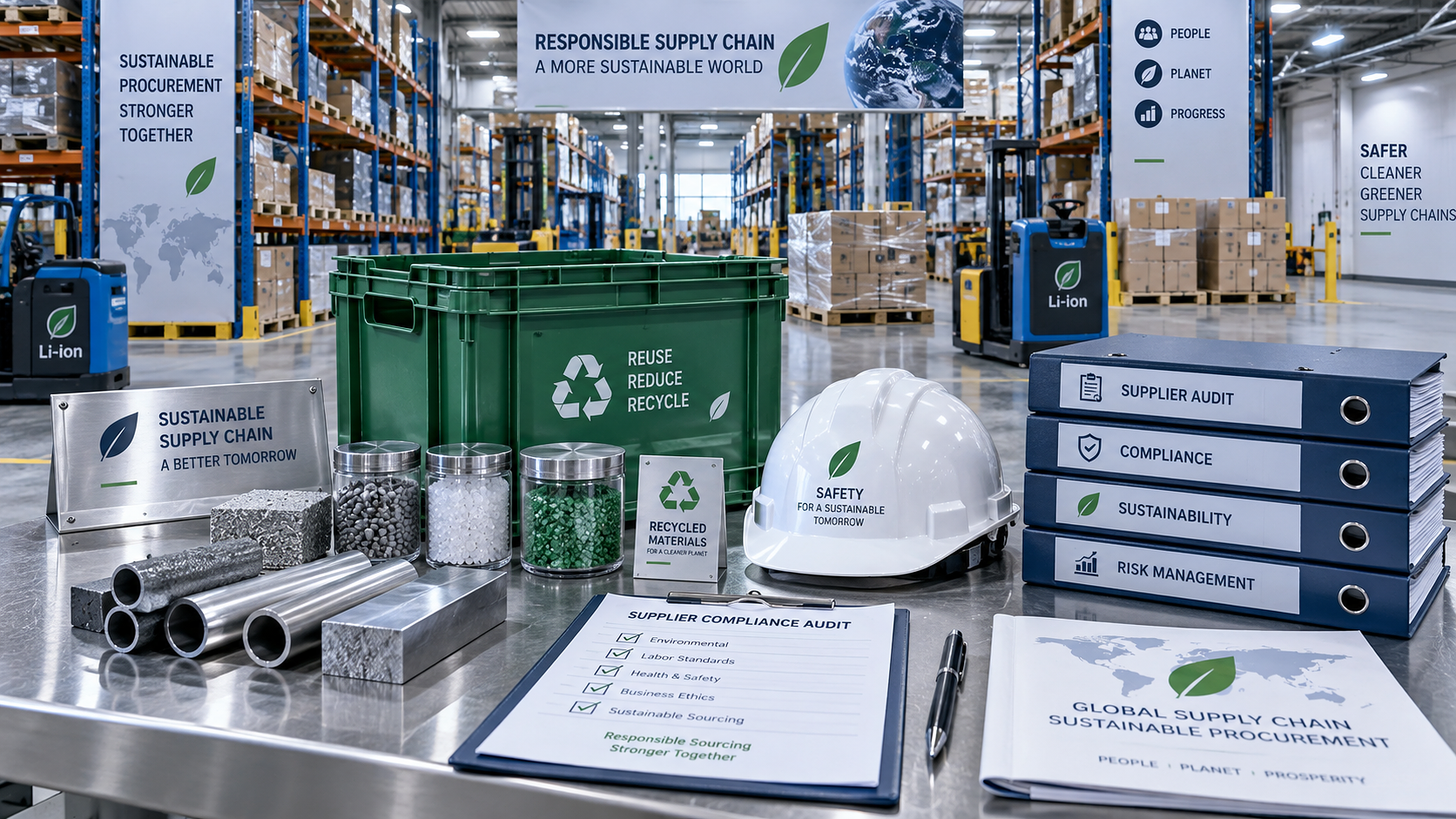
Carbon Footprint Certification Audit: Key Costs and Common Delays
A carbon footprint certification audit now sits at the intersection of compliance, trade access, and budget control. For companies moving goods across borders, the issue is rarely the certificate alone. The bigger question is how much the audit will cost, how long it will take, and where delays may disrupt sourcing, exports, or ESG reporting.
That matters across industries. Manufacturers, processors, logistics operators, and branded exporters are all under pressure to prove emissions data with more rigor. In markets shaped by CBAM, customer disclosure requests, and lender scrutiny, a slow or poorly planned carbon footprint certification audit can become a commercial bottleneck rather than a technical formality.
Why the audit is drawing more financial attention
The audit verifies whether a product, process, or organizational carbon calculation is credible, traceable, and aligned with recognized standards. In practice, it tests the quality of data collection, calculation boundaries, assumptions, emission factors, and supporting records.
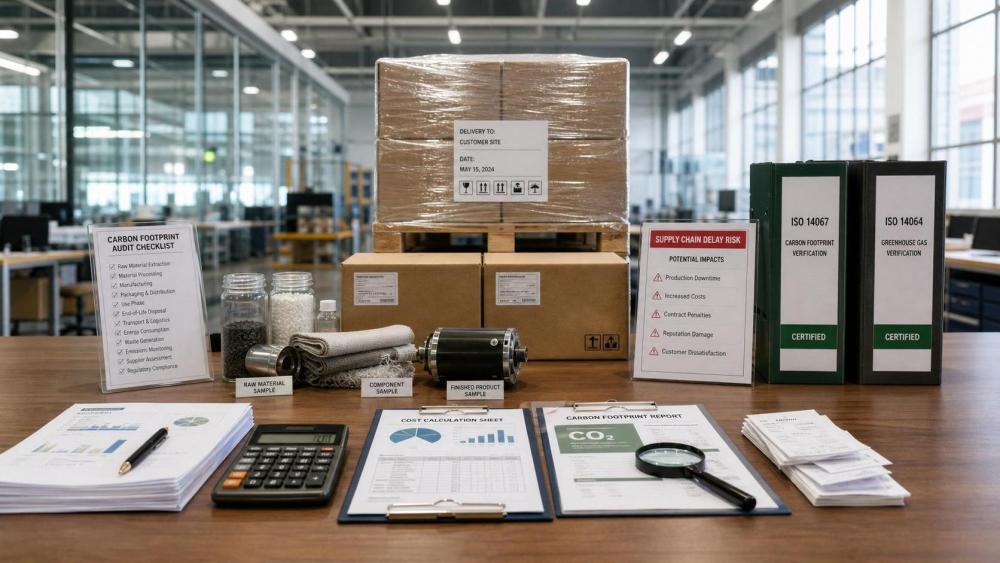
The pressure behind this shift is structural. Buyers increasingly compare suppliers on carbon transparency. Export programs are tightening. Sustainability claims face more legal and reputational review. As GTIIN tracks across industrial value chains, the pattern is clear: carbon data is moving from a branding topic into procurement and market access decisions.
For budget approval, this changes the framing. The audit is not only an environmental line item. It is part of risk management, contract readiness, and margin protection.
What drives the cost of a carbon footprint certification audit
Audit fees vary widely because the certificate reflects the complexity behind the calculation. A simple, single-site product with stable inputs costs far less to audit than a multi-country supply chain with changing suppliers and incomplete primary data.
The main cost layers
The visible audit fee is only one part of the cost. Internal preparation often absorbs more time than expected. Teams must gather bills, production logs, purchasing records, transport documents, meter data, and methodology notes. If those records are fragmented across plants or regions, the hidden cost rises quickly.
A second budget trap is rework. When the verifier rejects assumptions or boundary choices, the carbon footprint certification audit can move into another review cycle. That adds consultant hours, management time, and lost schedule flexibility.
Where audits usually slow down
Most delays do not begin inside the certification body. They begin upstream, in fragmented operational data and weak ownership.
Common delay points
- Unclear audit boundary between product footprint, corporate footprint, and facility emissions.
- Supplier data requests sent too late, especially for packaging, transport, or key raw materials.
- Inconsistent units across records, such as kilograms, liters, energy content, or shipment weight.
- Allocation disputes for shared utilities, by-products, or mixed production lines.
- Use of outdated emission factors without documented justification.
- No audit-ready document trail linking source records to final calculations.
In export-oriented supply chains, timing can become more sensitive. A certificate may be needed before bid submission, customs documentation, retailer onboarding, or annual ESG disclosure. When data collection starts only after the external deadline is fixed, the carbon footprint certification audit is forced into a compressed schedule. That usually means more cost with less confidence.
GTIIN’s cross-border coverage shows another recurring issue: global suppliers operate under different recordkeeping maturity levels. A European buyer may expect detailed primary emissions data, while an upstream processor in another region still relies on estimated factors and manual spreadsheets. The delay is not only technical. It is institutional.
How to judge the business value beyond compliance
A carbon footprint certification audit creates value when it improves commercial credibility and internal decision quality. The certificate can support customer qualification, product comparison, supplier negotiations, and market entry where environmental disclosure is becoming mandatory or commercially expected.
It also exposes cost signals. Carbon data often reveals energy intensity, transport inefficiency, packaging waste, or process losses that were previously hidden inside overhead. In that sense, the audit can sharpen operating visibility, especially across dispersed manufacturing and sourcing networks.
When the audit tends to matter most
- Products entering carbon-sensitive export markets.
- Supplier selection processes with ESG scoring.
- Industrial sectors with energy-intensive production.
- Private label or branded goods facing claim verification.
- Financing or procurement reviews tied to decarbonization targets.
The return, however, depends on fit. If the audit boundary is too broad, the cost may outweigh the immediate commercial use. If it is too narrow, the certificate may fail to satisfy customers or regulators. Good approval decisions usually begin with a clear use case, not with a generic sustainability ambition.
Practical ways to reduce cost and avoid delay
The most effective approach is preparation before formal verification starts. A pre-audit document review often costs less than a delayed certification cycle. It identifies data gaps, boundary confusion, and weak assumptions before the external clock begins.
Useful preparation steps
- Define whether the target is product, plant, or organizational footprint certification.
- Map critical data sources by owner, system, and reporting period.
- Test supplier responsiveness before relying on primary upstream figures.
- Lock the emission factor source list and version control early.
- Document allocation logic for shared inputs before the verifier asks.
- Build a traceable file package linking raw evidence to calculations.
It is also worth separating urgent certification needs from broader decarbonization analysis. Companies often combine both into one project, then struggle with scope inflation. Certification needs evidence and methodological discipline. Decarbonization planning needs scenario work and investment analysis. They should inform each other, but they do not have to move at the same speed.
A better basis for the next approval decision
A carbon footprint certification audit should be read as a business control exercise with environmental consequences, not the other way around. The strongest projects begin with three clear answers: what commercial purpose the certificate serves, what evidence is already audit-ready, and which delay points sit outside direct control.
That is where market intelligence helps. GTIIN’s trade and supply chain lens is useful because certification decisions do not happen in isolation. They connect to export rules, customer standards, industrial sourcing conditions, and the resilience of upstream documentation.
Before committing budget, it is worth comparing the intended certificate scope against customer requirements, data maturity, and timeline risk. That review usually reveals whether the next step is immediate audit engagement, a narrower pilot, or a short readiness assessment that prevents a far more expensive delay later.
Weekly Insights
Stay ahead with our curated technology reports delivered every Monday.
Recommended News
 Supply ChainOct 15, 2026How to choose a supply chain strategy for unpredictable demand
 Supply ChainOct 14, 2026How to assess an industrial equipment supplier's spare parts support
 Supply ChainOct 14, 2026EU Updates CSDDD Guidance on Global Supply Chain Due Diligence
 Global SourcingOct 13, 2026How to assess industrial automation suppliers for legacy integration