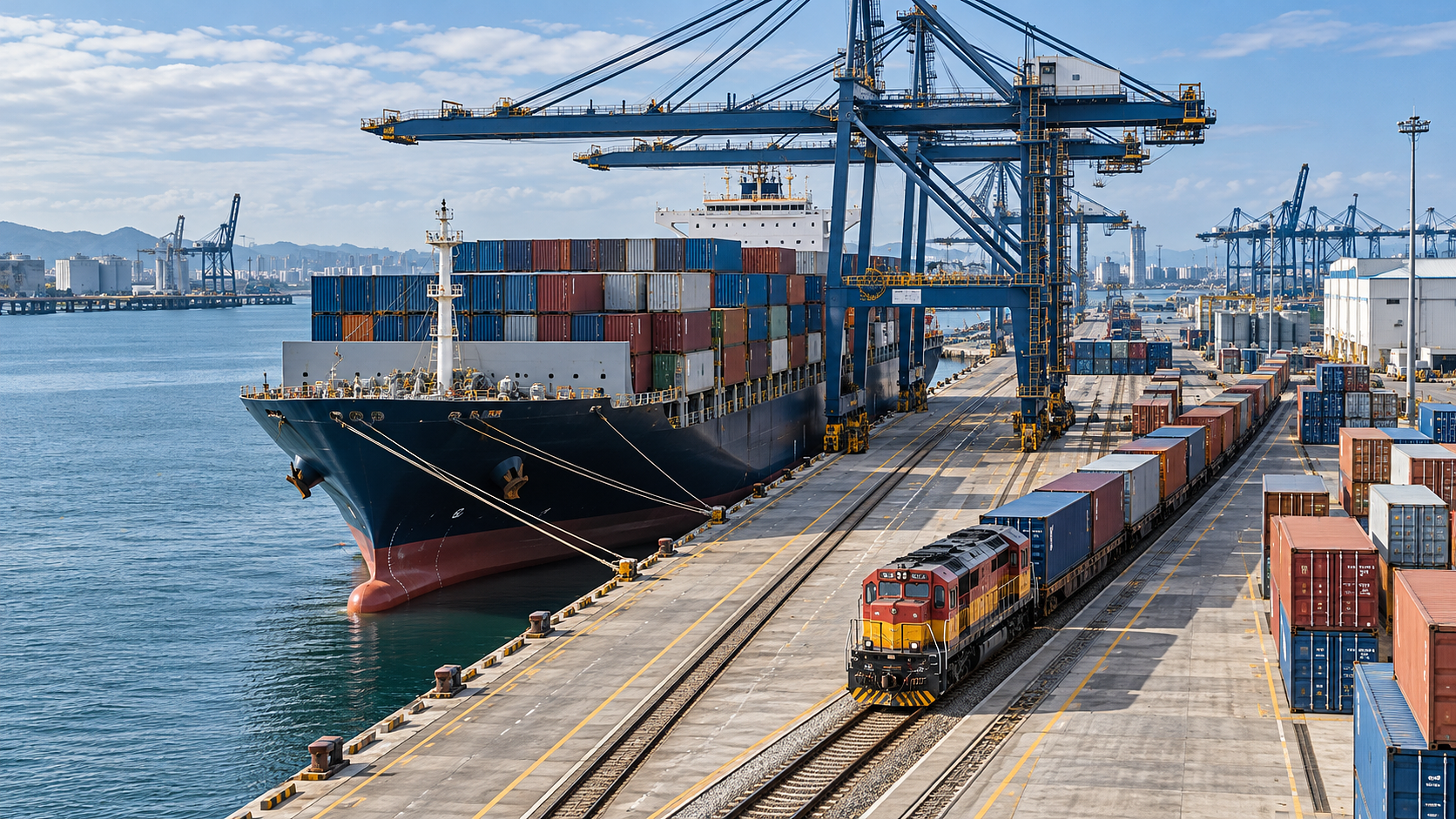
Disruption Rerouting: When Is Diverting Freight Better Than Waiting?
Divert freight when a feasible alternative reduces the expected consequences of missing the required delivery date by more than its full incremental cost. Waiting remains preferable when the existing route still protects the installation window, the disruption has a credible recovery path, or diversion introduces greater uncertainty. A faster advertised transit time alone does not justify disruption rerouting.
The decision starts with the date the cargo must be available for work at the site. Port arrival, customs release, delivery, inspection, and installation readiness are separate milestones. A shipment that reaches an alternative gateway earlier can still become available later if documentation, inland transport, or unloading arrangements are incomplete.
Establish when delay becomes a project consequence
Use the current project schedule to identify the latest acceptable delivery date, including receiving inspection and any preparation before installation. Then trace what happens if that date slips. Missing equipment might stop a critical activity, consume available float, or affect only work that can be resequenced.
That distinction changes the value of rerouting. An unavailable component on the critical path can delay commissioning. The same component arriving during unfinished foundation work has a different consequence. Expediting freight before its installation area is ready purchases inventory time rather than schedule recovery.
Float also needs scrutiny. A programme may show spare time that has already been consumed by fabrication delays or allocated to another recovery activity. Use the latest accepted schedule and confirm that the apparent buffer remains available to this shipment.
Identify dependencies beyond the immediate installation. A missing control cabinet might prevent integrated testing even while mechanical work continues. Conversely, a delayed shipment of duplicate components might allow partial installation and staged handover. The relevant question is which executable activity the cargo unlocks.
Compare usable delivery windows, not published transit times
Build both options from the shipment’s current physical and documentary position. For waiting, include the disruption, the recovery queue, onward transport, clearance, and delivery. For diversion, include the time required to obtain cargo release, secure alternative capacity, amend instructions, and complete every additional transfer.
A reopening announcement is not a delivery forecast. Accumulated vessels, containers, rail wagons, or trucks still require processing after operations resume. Equally, an alternative port with normal operations offers little advantage if its inland connections are already constrained.
For each option, record an earliest credible arrival, a working forecast, and an adverse but plausible outcome. State the assumptions behind each range. A diversion that succeeds only under its most optimistic forecast provides weak protection for a fixed installation window.
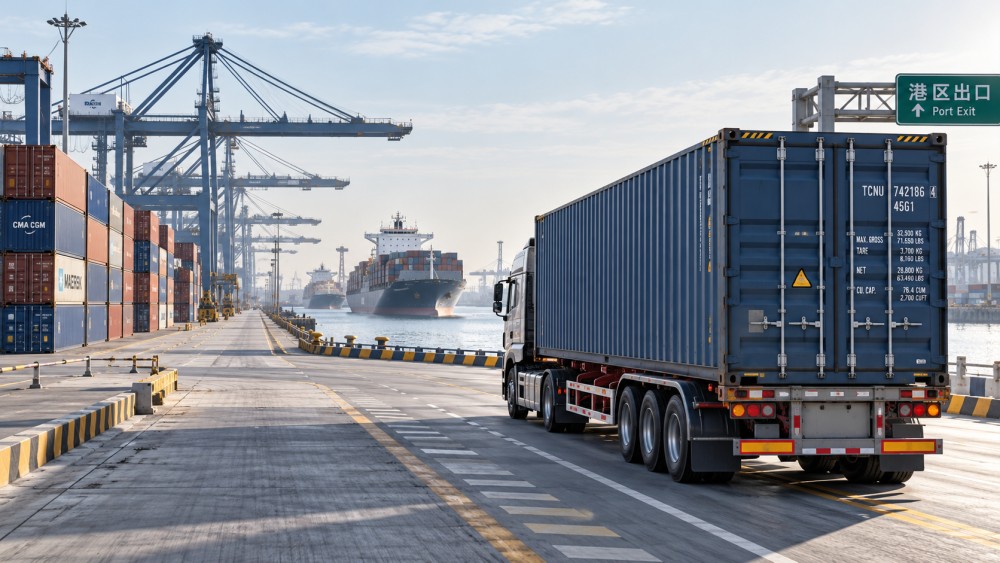
Separate confirmed capacity from quotations and proposed connections. A freight rate establishes a commercial offer; it does not establish that cargo will make a particular sailing, flight, train, or delivery slot. The comparison becomes actionable once the critical connections have credible operating commitments.
Price the consequences that actually change
The financial comparison should use incremental costs from the decision point onward. Charges already incurred and unavoidable under either option do not justify staying with the original route. However, cancellation fees, forfeited bookings, and release charges belong in the diversion calculation if changing course triggers them.
A useful decision rule is:
Reroute when the expected delay loss avoided exceeds the additional transport, handling, administrative, and residual risk costs.
Delay loss should reflect specific consequences: idle specialist resources, extended equipment hire, additional site overhead, remobilisation, lost production, or contractual exposure supported by the applicable agreement. Avoid counting the same consequence twice. Lost production and lost sales, for example, may overlap if deferred output can later be recovered.
Waiting also generates costs. Storage, container detention, demurrage where applicable, preservation, and booking extensions can change the comparison. Confirm the actual charging terms and free-time position; a general allowance can obscure a rapidly increasing exposure.
Probability estimates are useful only when their basis is credible. Where recovery information is weak, compare explicit scenarios instead of assigning precise percentages. Identify the conditions under which each route misses the required date and whether the resulting loss remains tolerable.
Some limits belong outside the cost calculation. An unapproved lifting arrangement, unsuitable temperature control, or unresolved import permission can disqualify a route even when its apparent financial return is attractive.
Confirm that the cargo can travel the alternative
Route feasibility depends on the actual packed shipment. Gross weight, package dimensions, centre of gravity, lifting points, securing requirements, and sensitivity to vibration or moisture determine which transport options are usable. A replacement route suitable for standard containers may be unsuitable for an oversized assembly requiring specialist handling.
Additional transfers deserve particular attention. Each transfer introduces handling, waiting, and exposure. Equipment protected for a direct movement might require revised packaging for an exposed terminal, a road journey, or repeated lifting. Any repacking time belongs in the delivery forecast.
For heavy or oversized freight, an alternative gateway needs a workable route to the final destination. Bridge capacity, road geometry, overhead clearance, permits, escorts, and unloading access can determine feasibility. An available berth and crane do not establish that the inland movement is possible.
Air freight also requires more than an acceptable weight. Package dimensions, aircraft loading limits, dangerous goods classification, and airport handling capability affect acceptance. Batteries, chemicals, pressurised items, or residual fluids can introduce requirements absent from the original booking.
For sensitive cargo, compare the entire exposure profile. A longer controlled journey can be preferable to a shorter route with unverified storage conditions. Confirm who maintains temperature, humidity protection, shock monitoring, or preservation during each handover.
Resolve release authority and customs changes before committing
The party requesting diversion must have authority to change the shipment instructions. Establish who controls the transport document, who can authorise carrier amendments, and whether a bank, seller, consignee, or other party must agree. Commercial responsibility under the sales contract does not automatically establish operational control over cargo already in transit.
A new discharge port or border crossing can affect declarations, transit arrangements, guarantees, inspection appointments, and the availability of an authorised importer or representative. The implications depend on the countries, cargo, and procedures involved. Obtain route-specific confirmation from the relevant broker before treating clearance time as established.
Keep physical movement and documentation aligned. Changing a booking without updating the necessary cargo descriptions, destination details, or supporting documents can create a hold at the alternative gateway. Conversely, cancelling an existing filing too early can remove a workable fallback if the diversion fails.
Insurance also needs attention where the revised route changes the mode, territory, storage, handling, or duration of transit. Confirm the applicable cover and any notification requirements before movement. An assumption that the original arrangement follows every diversion creates avoidable uncertainty.
Use partial recovery when a full diversion buys little
Consider a shipment containing a main equipment assembly, installation fixtures, and commissioning components. If the assembly cannot be installed until civil works finish, diverting everything may add handling expense without advancing completion. Moving a smaller package separately could enable preparatory work or testing while the main cargo continues on its existing route.
This approach requires a dependency review at component level. The proposed early delivery must form a usable work package. Missing brackets, proprietary cables, software access, certificates, or installation tooling can leave an expedited component idle.
Splitting cargo also creates additional documentation and receiving work. Packing lists must identify what travels on each movement, and the site must reconcile partial deliveries against the installation sequence. Where components are matched, calibrated, or protected as a set, separation requires technical acceptance.
Other recovery options include resequencing work, using available interchangeable stock, or arranging an approved temporary configuration. Their value depends on engineering acceptance and execution time. A substitute that requires lengthy redesign or qualification offers little relief to an immediate schedule constraint.
Set a decision deadline tied to real operating events
Waiting for better information is useful only while the alternative remains available. Identify the latest point at which diversion can still protect the required date. That point might be a carrier instruction deadline, an aircraft booking cutoff, a terminal release window, or the lead time for a specialist vehicle permit.
Work backward from that event to allow time for approvals, documentation, packaging changes, and payment where required. A decision made at the transport cutoff is already late if cargo preparation must happen first.
Use observable triggers to govern the decision:
- If the existing route retains a credible delivery window within available float, continue waiting while preserving the diversion option.
- A missed recovery milestone should prompt a revised arrival forecast. Divert when that forecast crosses the latest acceptable delivery date and the alternative remains executable.
- Where delay would interrupt commissioning or strand committed specialist resources, reserving scarce alternative capacity may be justified before the disruption’s duration is fully known. Include reservation and cancellation terms in the comparison.
Record the selected route, cost exposure, delivery assumptions, and approval in one instruction set. Assign responsibility for carrier release, customs amendments, inland booking, and site receipt so that each handover has an identified owner. Conflicting instructions issued through separate channels can erase the time the diversion was intended to recover.
After commitment, monitor cargo release, loading, border clearance, and final delivery against the assumptions supporting the decision. If a confirmed connection fails, reassess from the shipment’s new position. The money already spent on diversion should not dictate the next move.
Have questions about this sector analysis, or seeking best practices specific to your niche? Drop us a line below and let the senior consultants at GTIIN assist you.
“We respect your privacy. Your information is strictly confidential.”
Tags
Weekly Insights
Stay ahead with our curated technology reports delivered every Monday.
Recommended News
 Industry StandardsNov 01, 2026How to build an ESG compliance framework for your business
 Supply ChainNov 01, 2026China-Peru FTA Upgrade Takes Effect, Adding Global Supply Chain Chapter
 Global SourcingOct 31, 2026How to use raw material analysis for procurement cost forecasting
 Supply ChainOct 31, 2026G20 Foreign Ministers Meet as Rubio Calls for Cooperation on Supply Chains and Trade