China-Peru FTA Upgrade Takes Effect, Adding Global Supply Chain Chapter
On November 1, 2026, the upgraded China-Peru free trade agreement entered into force, bringing changes to trade rules and adding a chapter on global supply chains. The development warrants attention from traders, manufacturers and logistics providers because rules of origin, customs procedures and transport arrangements can affect how cross-border transactions are documented and delivered.
Seven Chapters Updated, Five Added
The upgrade protocol revises seven chapters of the original agreement, including those on rules of origin, customs procedures and trade facilitation. It also adds five standalone chapters, including chapters on standards cooperation, electronic commerce and global supply chains.
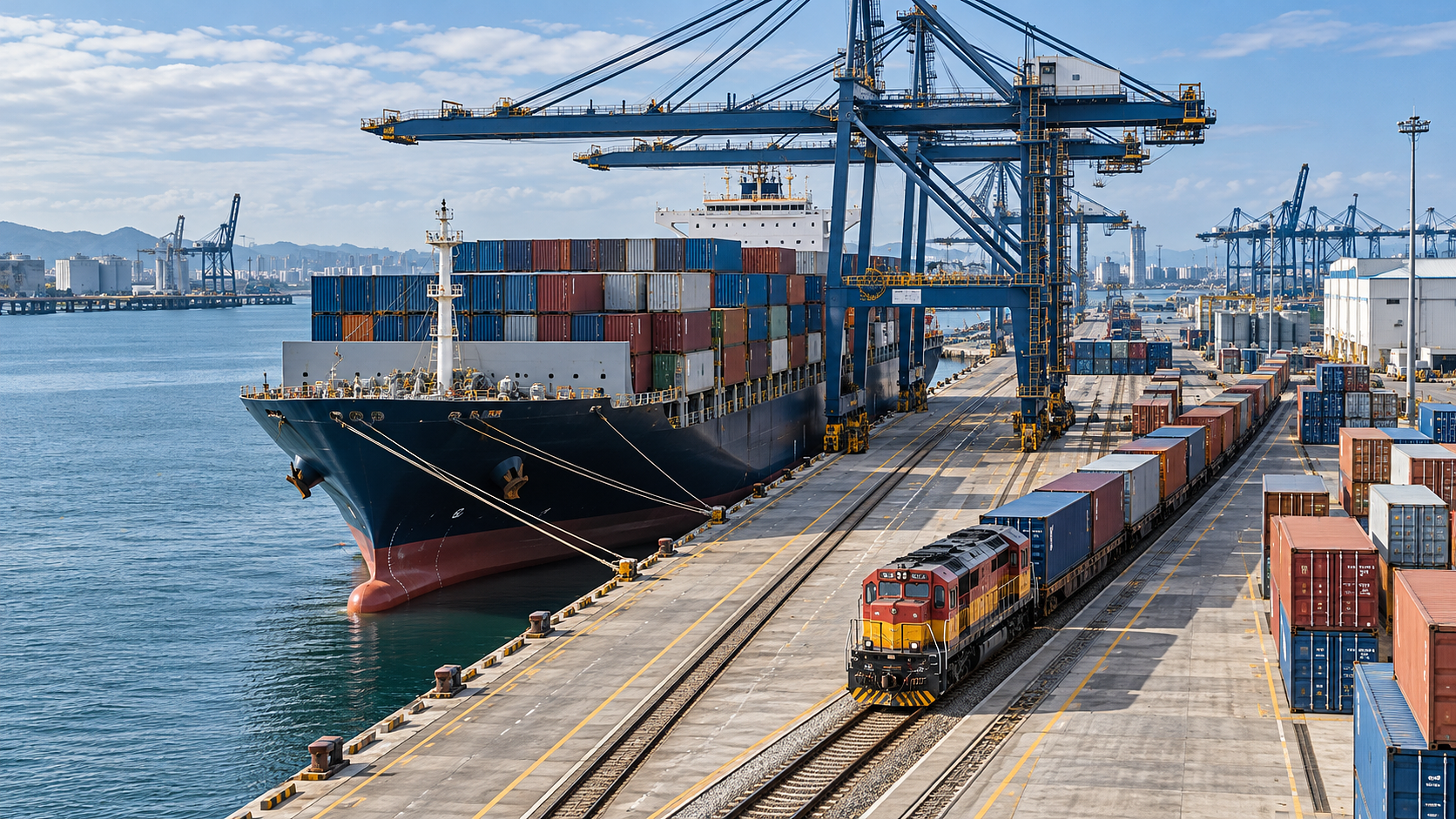
The global supply chain chapter explicitly encourages multimodal transport and promotes the development of foreign trade logistics corridors and infrastructure. Its stated aim is to help maintain stable and unimpeded supply chains.
Where Trade and Delivery May Feel the Changes
Origin Checks and Customs Documentation
From an industry perspective, traders and manufacturers may need to review how they assess product origin and prepare customs documentation. Changes to the relevant chapters could affect these processes, but the information provided does not specify the revised criteria or procedures. Any product-level implications therefore remain to be verified.
Procurement and Supplier Information
Buyers and manufacturers may need to examine whether supplier information is sufficient to assess origin under the upgraded agreement. This could affect purchasing reviews and the information exchanged across the supply chain. The input does not establish any particular new document or supplier qualification requirement.
Transport Planning and Logistics Services
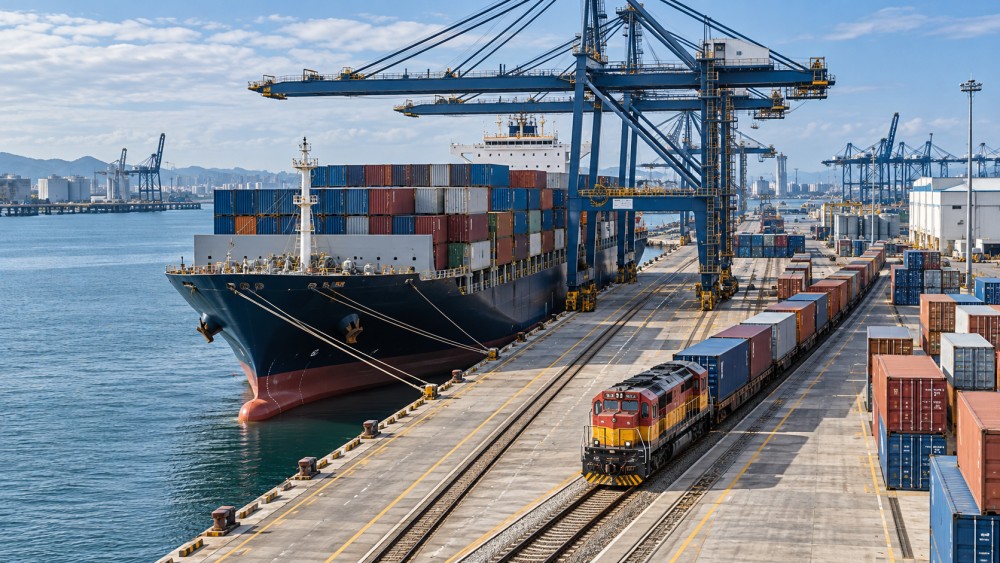
For logistics providers and their customers, the global supply chain chapter signals a shared interest in multimodal transport and logistics infrastructure. Analysis suggests these areas may become relevant to route planning and delivery discussions. The information provided does not identify specific projects, operational changes or delivery-time effects.
What Businesses Can Check Now
Review Product-Level Origin Assessments
Companies trading between the two countries can check the applicable agreement text and subsequent guidance against their current origin assessments. Where appropriate, they may also review the supplier records used to support those assessments. No specific change to an origin criterion is identified in the information provided.
Track Customs and Trade Facilitation Guidance
Trade teams can monitor relevant official guidance on customs procedures and compare it with existing documentation and clearance practices. Whether any operational adjustment is needed will depend on the detailed provisions and their implementation.
Assess Standards and Digital Trade Implications
Businesses using technical specifications or electronic trade processes may wish to review the new standards cooperation and electronic commerce chapters as further detail becomes available. The input does not establish new certification requirements or specify how digital trade practices will change.
Keep Delivery Plans Under Review
Procurement and logistics teams can discuss potential multimodal options with service providers while checking whether any relevant corridor or infrastructure measures are subsequently announced. Existing delivery assumptions should not be changed solely on the basis of the chapter's stated objectives.
Entry Into Force Is Not the Whole Implementation Picture
In editorial assessment, the entry into force represents an established change in the agreement's status, while its practical effects remain a matter for observation. The distinction matters: the summary confirms the revised and new chapters but does not provide the detailed provisions, implementation guidance or evidence of market outcomes. Subsequent trade practice and business feedback may help clarify where adjustments are needed.
A Framework to Verify Against Daily Trade
The upgraded agreement gives businesses a reason to revisit origin, customs, standards cooperation and supply chain planning. For now, the measured approach is to treat the agreement as in force while verifying the detailed rules and monitoring how they are applied before assuming changes to costs, certification or delivery performance.
Basis for This Report
This article is based on the user-provided news title, event date and summary. No specific official source link was provided in the input, so the agreement text and related official information require continued verification. Relevant material to monitor may include official announcements, customs or trade authority guidance, and subsequent reports on implementation and industry feedback.
Have questions about this sector analysis, or seeking best practices specific to your niche? Drop us a line below and let the senior consultants at GTIIN assist you.
“We respect your privacy. Your information is strictly confidential.”
Weekly Insights
Stay ahead with our curated technology reports delivered every Monday.
Recommended News
 Industry StandardsNov 01, 2026How to build an ESG compliance framework for your business
 Supply ChainNov 01, 2026China-Peru FTA Upgrade Takes Effect, Adding Global Supply Chain Chapter
 Global SourcingOct 31, 2026How to use raw material analysis for procurement cost forecasting
 Supply ChainOct 31, 2026G20 Foreign Ministers Meet as Rubio Calls for Cooperation on Supply Chains and Trade