Industrial Intelligence Software Comparison: Key Features That Matter in 2026
Industrial Intelligence Software Comparison: Key Features That Matter in 2026
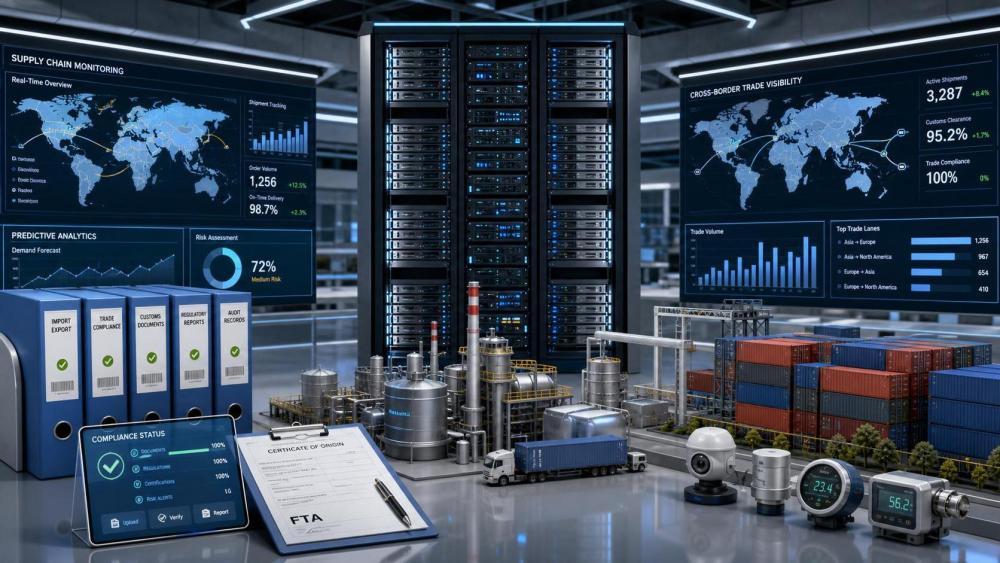
Choosing the right industrial intelligence software in 2026 is no longer a simple IT decision. It now shapes sourcing speed, supplier confidence, risk visibility, and long-range supply chain resilience.
That shift is easy to understand. Industrial markets are moving faster, trade routes are less predictable, and compliance pressure is rising across regions, materials, and categories.
In that environment, industrial intelligence software must do more than collect data. It needs to turn fragmented signals into decisions that teams can actually use.
For companies comparing platforms, the challenge is not finding more dashboards. The real challenge is identifying which features improve procurement, trade planning, and operational judgment.
This comparison focuses on the features that matter most in 2026, especially for globally exposed manufacturers, sourcing teams, and cross-border supply chain operators.
Why industrial intelligence software matters more in 2026
From recent market shifts, one signal is clear. Decision cycles are shorter, but the cost of wrong sourcing decisions is much higher.
Tariff changes, freight volatility, ESG rules, and supplier concentration risks now interact in ways that standard ERP reporting cannot explain.
This is where industrial intelligence software becomes valuable. It connects trade data, supplier signals, industry movements, and regulatory change into one decision layer.
In practical terms, the best platforms help teams answer urgent questions quickly. Where is demand shifting? Which suppliers are exposed? What disruptions are emerging next?
For organizations managing industrial sourcing across regions, that visibility supports better timing, stronger negotiation, and fewer surprises.
The core features to compare before selecting a platform
Not every industrial intelligence software product is built for decision quality. Some are good at visualization but weak in context, verification, or actionability.
When evaluating options, focus on these core capabilities:
- Real-time market and trade visibility across suppliers, commodities, and routes.
- Predictive analytics that identify likely disruptions before they hit operations.
- Cross-border compliance intelligence tied to actual sourcing decisions.
- Supplier mapping that shows dependencies beyond tier-one relationships.
- Industry-specific context, not just generic business intelligence metrics.
- Workflow support that makes insights usable by procurement and leadership teams.
These features separate strategic industrial intelligence software from broad data platforms that look capable but offer limited operational relevance.
1. Real-time data visibility with industrial context
Speed matters, but raw speed alone is not enough. Industrial intelligence software should deliver live visibility with context that explains why a change matters.
For example, a freight delay means something very different when tied to critical materials, seasonal production peaks, or constrained regional supply.
Look for platforms that combine shipping data, customs trends, supplier movement, and sector signals in one view. That is far more useful than isolated alerts.
2. Predictive analytics that support decisions, not noise
In 2026, predictive analytics is expected. The real question is whether the model helps teams act with confidence.
Strong industrial intelligence software should estimate likely risks, flag probability levels, and connect forecasts to sourcing or inventory responses.
Weak tools generate too many alerts without ranking impact. That creates fatigue and slows down the very decisions the system should improve.
3. Cross-border compliance and policy intelligence
This feature is becoming central. Industrial intelligence software now needs to track sanctions exposure, carbon rules, import restrictions, and documentation requirements.
The best systems do not stop at policy updates. They link those changes to affected products, suppliers, regions, and commercial decisions.
That matters because compliance issues rarely stay inside legal teams. They quickly become procurement, cost, and continuity issues.
What separates a strategic platform from a basic analytics tool
Many software vendors claim to provide intelligence. In reality, some offer reporting layers, while others deliver true decision infrastructure.
A strategic industrial intelligence software platform usually has three strengths. It verifies data rigorously, reflects industry mechanics, and supports cross-functional decisions.
That difference is especially visible in global trade environments. General analytics tools often miss supplier depth, industrial standards, and region-specific sourcing risks.
Data quality and validation standards
If the data is weak, the software is weak. Ask how the provider validates trade data, supplier information, and market interpretation.
This is where platforms like GTIIN stand out in the market. Their value comes from combining industrial analysis, trade intelligence, and disciplined verification.
That approach matters when teams are evaluating sensitive categories, strategic imports, or regionally exposed production inputs.
Supply chain mapping beyond tier-one suppliers
A major 2026 requirement is deeper network visibility. Industrial intelligence software should map supplier relationships beyond direct vendors.
That includes materials exposure, logistics dependencies, regional bottlenecks, and hidden concentration risk across the value chain.
Without that depth, teams may think they are diversified while still relying on the same upstream chokepoints.
Usability across procurement, strategy, and operations
The best industrial intelligence software works across functions. Procurement needs supplier insight, operations needs continuity signals, and leadership needs strategic direction.
If each group sees different numbers or disconnected reports, trust declines fast. A good platform creates a shared operational picture.
A practical comparison framework for software selection
A useful evaluation process should stay close to business outcomes. Start with the decisions that matter most, then work backward into feature requirements.
This simple framework helps compare industrial intelligence software options more effectively:
- Define the decisions the platform must improve within twelve months.
- List critical categories, regions, and supplier risks that need continuous visibility.
- Check how each vendor handles validation, timeliness, and source transparency.
- Test whether the system converts alerts into procurement or supply chain actions.
- Review workflow fit, onboarding complexity, and executive reporting quality.
This process prevents a common mistake. Teams often buy software based on feature volume instead of decision usefulness.
Comparison table: what to prioritize
Common mistakes when buying industrial intelligence software
One common mistake is choosing a platform that looks impressive in demos but lacks industrial specificity. Generic dashboards rarely solve category-level sourcing problems.
Another mistake is treating industrial intelligence software as a reporting tool only. In 2026, it should function as a planning and risk management asset.
Teams also underestimate implementation fit. If insights do not align with procurement reviews, supplier selection, or executive planning cycles, adoption will stall.
Finally, many buyers overlook source credibility. That is risky in volatile markets where weak data can distort pricing, compliance, and supplier decisions.
How to make the final decision with confidence
The best industrial intelligence software is the one that improves real decisions under pressure. It should clarify complexity, not add another layer of noise.
Look for a platform that combines verified data, deep industrial context, predictive insight, and practical cross-border decision support.
That is why platforms built around trade intelligence and supply chain analysis are gaining ground. They match how global industrial decisions are actually made.
For organizations comparing options now, a strong next step is simple. Build a shortlist, test live scenarios, and judge each platform by the quality of action it enables.
In 2026, industrial intelligence software is no longer optional for globally exposed operations. It is part of the decision architecture behind resilient growth.
Weekly Insights
Stay ahead with our curated technology reports delivered every Monday.
Recommended News
 Supply ChainOct 15, 2026How to choose a supply chain strategy for unpredictable demand
 Supply ChainOct 14, 2026How to assess an industrial equipment supplier's spare parts support
 Supply ChainOct 14, 2026EU Updates CSDDD Guidance on Global Supply Chain Due Diligence
 Global SourcingOct 13, 2026How to assess industrial automation suppliers for legacy integration