Industrial Automation Equipment Cost: What Shapes Total Investment
Why does industrial automation equipment cost vary so widely?
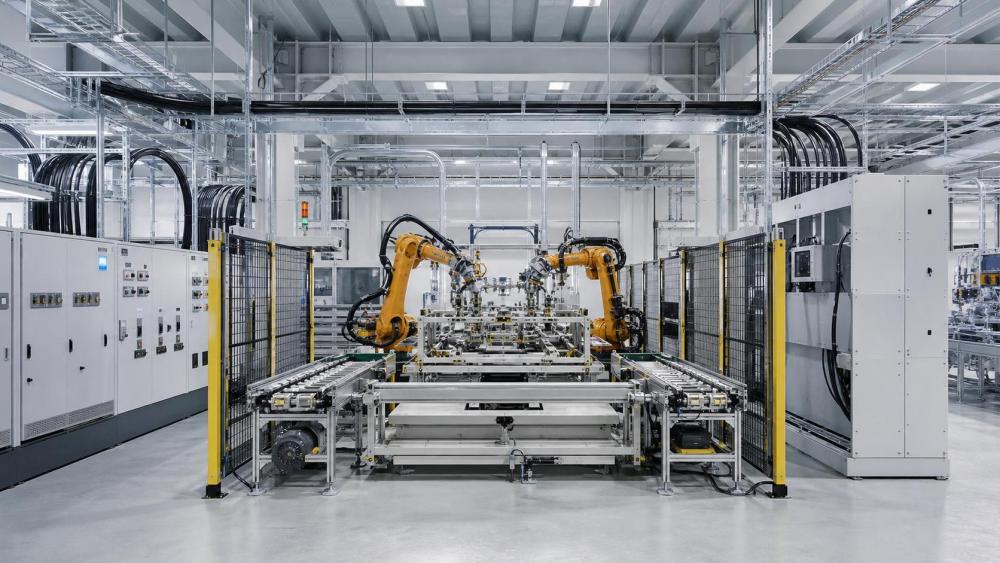
Industrial automation equipment cost rarely comes down to the machine alone.
In practice, total investment is shaped by engineering depth, integration scope, production targets, and the operating environment.
A simple conveyor upgrade and a multi-line robotic cell may both be called automation, yet their cost structure is fundamentally different.
That is why the first useful question is not price per unit.
It is what problem the automation must solve, and how much surrounding infrastructure must change.
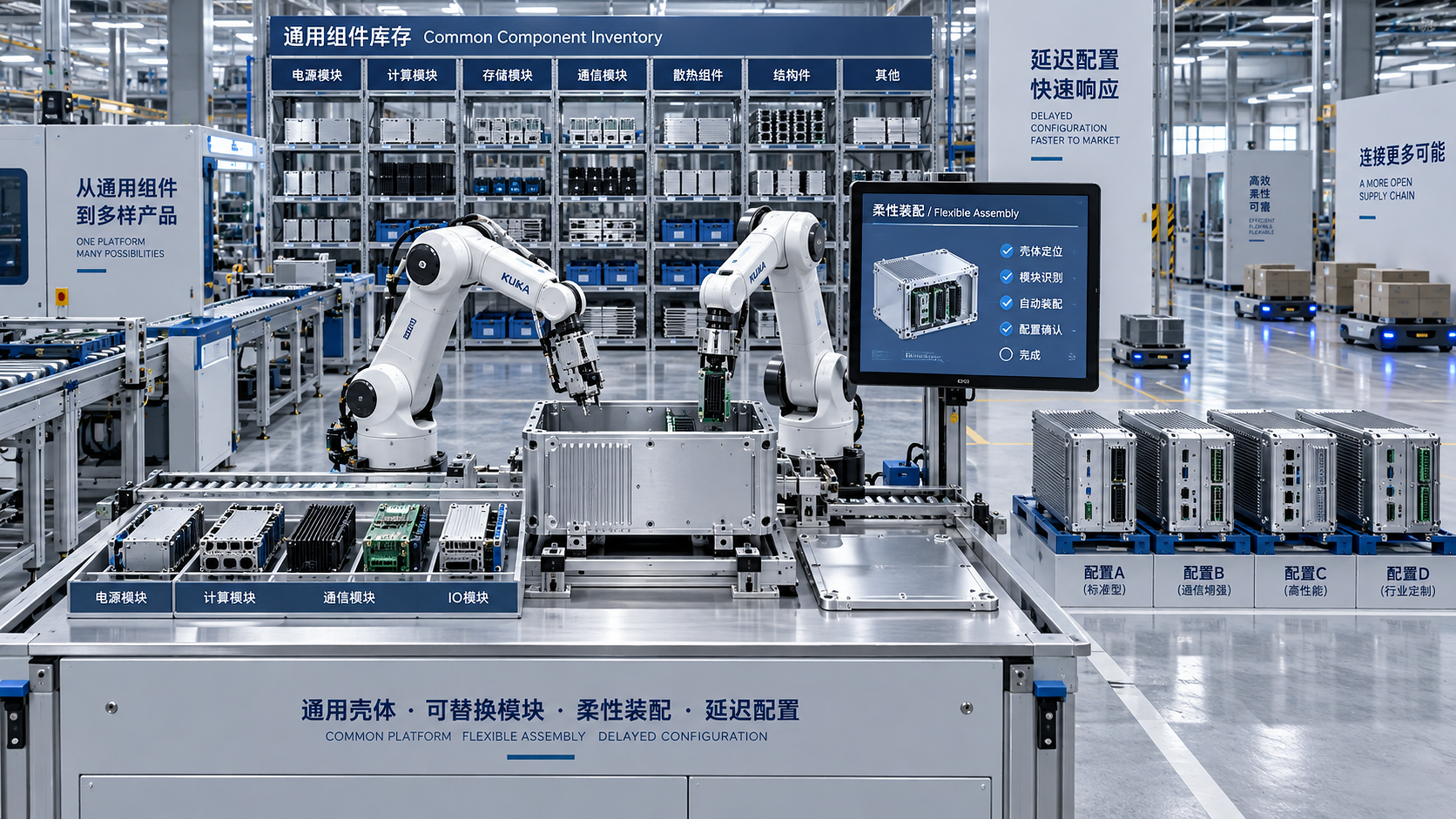
The most common cost layers include hardware, controls, software, sensors, safety systems, installation, commissioning, and training.
Then come the less visible items.
These often include line downtime during changeover, validation, spare parts, cybersecurity requirements, and support contracts.
For cross-border projects, freight, duties, localization, and regional compliance can change the investment case materially.
This is where market intelligence matters.
GTIIN regularly tracks sourcing conditions, export trends, compliance shifts, and supply chain resilience across industrial sectors.
That broader view helps explain why identical specifications on paper can produce very different landed costs in reality.
What is usually included in total automation investment?
Many budget discussions focus on purchase price, but industrial automation equipment cost should be reviewed as a full project stack.
A practical way to assess it is to separate direct equipment from implementation and lifecycle costs.
This fuller view prevents a common mistake.
A lower bid may still produce a higher industrial automation equipment cost once integration and post-installation support are included.
When does a lower quote become the more expensive option?
This happens more often than expected.
A lower initial quote can become the costlier choice when scope definition is weak or supplier assumptions differ.
For example, one proposal may include controls integration, FAT, and operator training.
Another may price only equipment supply, leaving those items for change orders.
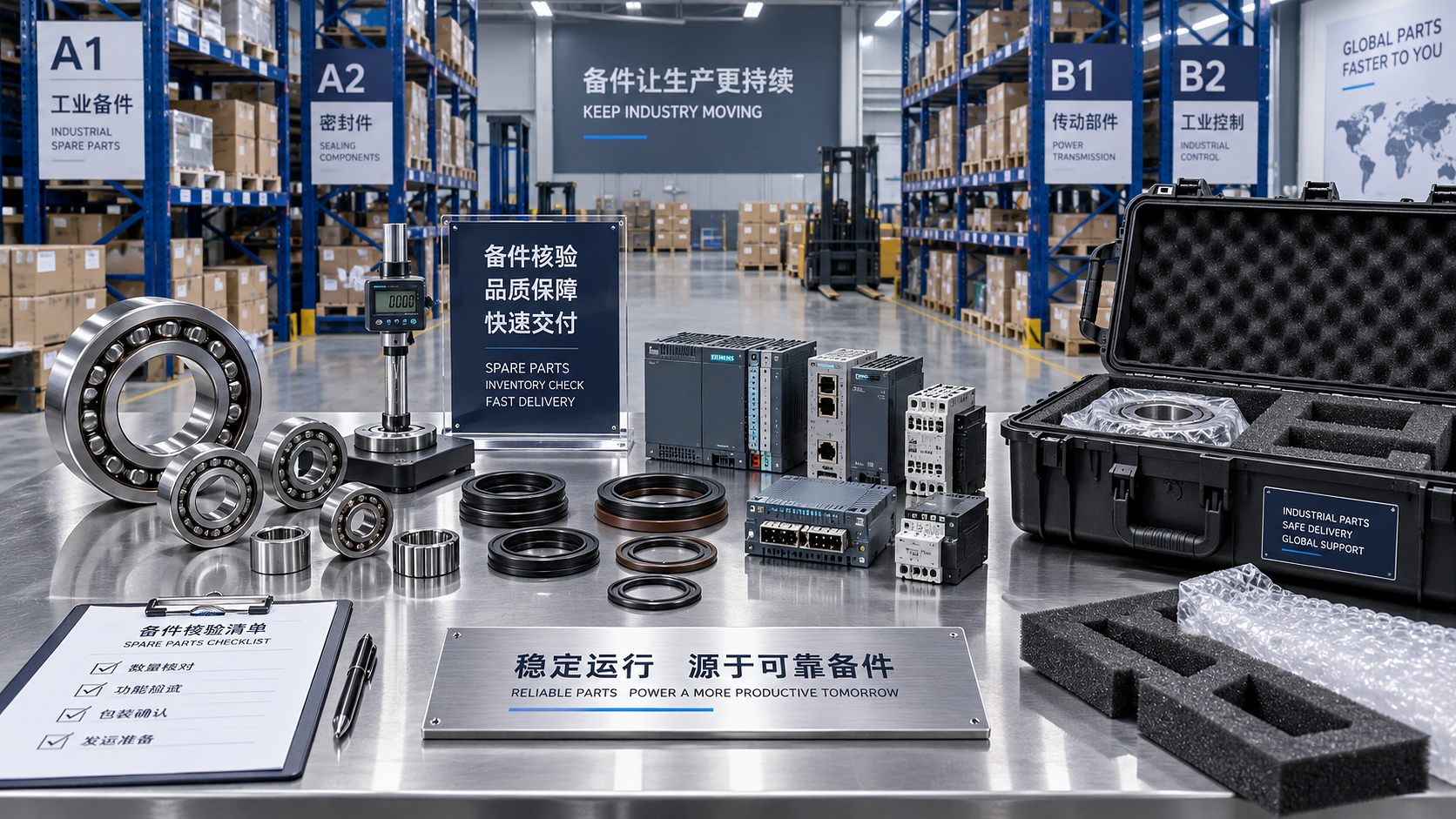
The same issue appears in spare parts planning.
If replacement components require long lead times or come from a single export source, downtime risk rises sharply.
That risk belongs in the investment review, even when it does not appear in the machine invoice.
There is also the question of regional delivery reliability.
GTIIN’s supply chain mapping perspective is useful here because supplier evaluation increasingly depends on logistics velocity, customs latency, and compliance exposure.
A cheaper source can lose its advantage if delivery uncertainty delays production startup.
- Check whether tooling, guarding, and software licenses are included.
- Confirm who owns commissioning delays caused by interface issues.
- Ask how local service is delivered and how fast critical parts can arrive.
- Review warranty terms against actual operating cycles, not brochure assumptions.
How should industrial automation equipment cost be compared across suppliers?
The cleanest comparison is not supplier A versus supplier B on headline price.
It is total usable output, risk exposure, and supportability over the asset life.
In actual sourcing reviews, a structured comparison table is more reliable than narrative claims.
This is also where industrial automation equipment cost becomes a strategic sourcing issue, not just a technical purchase.
The stronger option is often the one with fewer future surprises.
Which hidden costs tend to appear after approval?
Several costs emerge only after contracts are signed.
These are the items that disrupt ROI models most often.
One is ramp-up loss.
The line may need weeks or months to reach stable output, especially with mixed product formats.
Another is change management.
New automation can alter staffing patterns, maintenance routines, and quality procedures, which creates indirect implementation cost.
Cybersecurity is now another major variable.
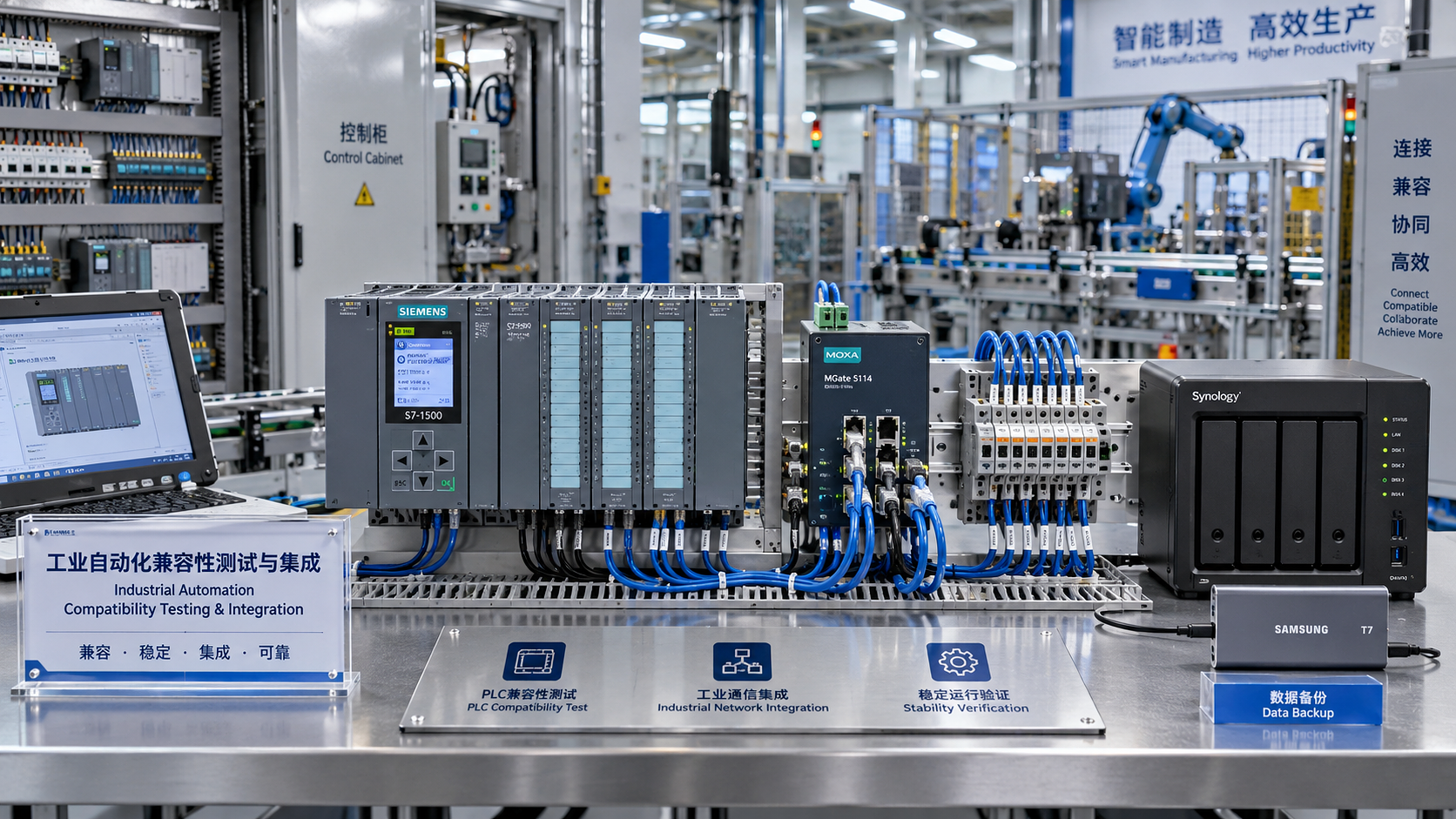
If equipment must connect with enterprise systems, network segmentation, access control, and update governance should be budgeted early.
Industrial automation equipment cost can also rise through compliance drift.
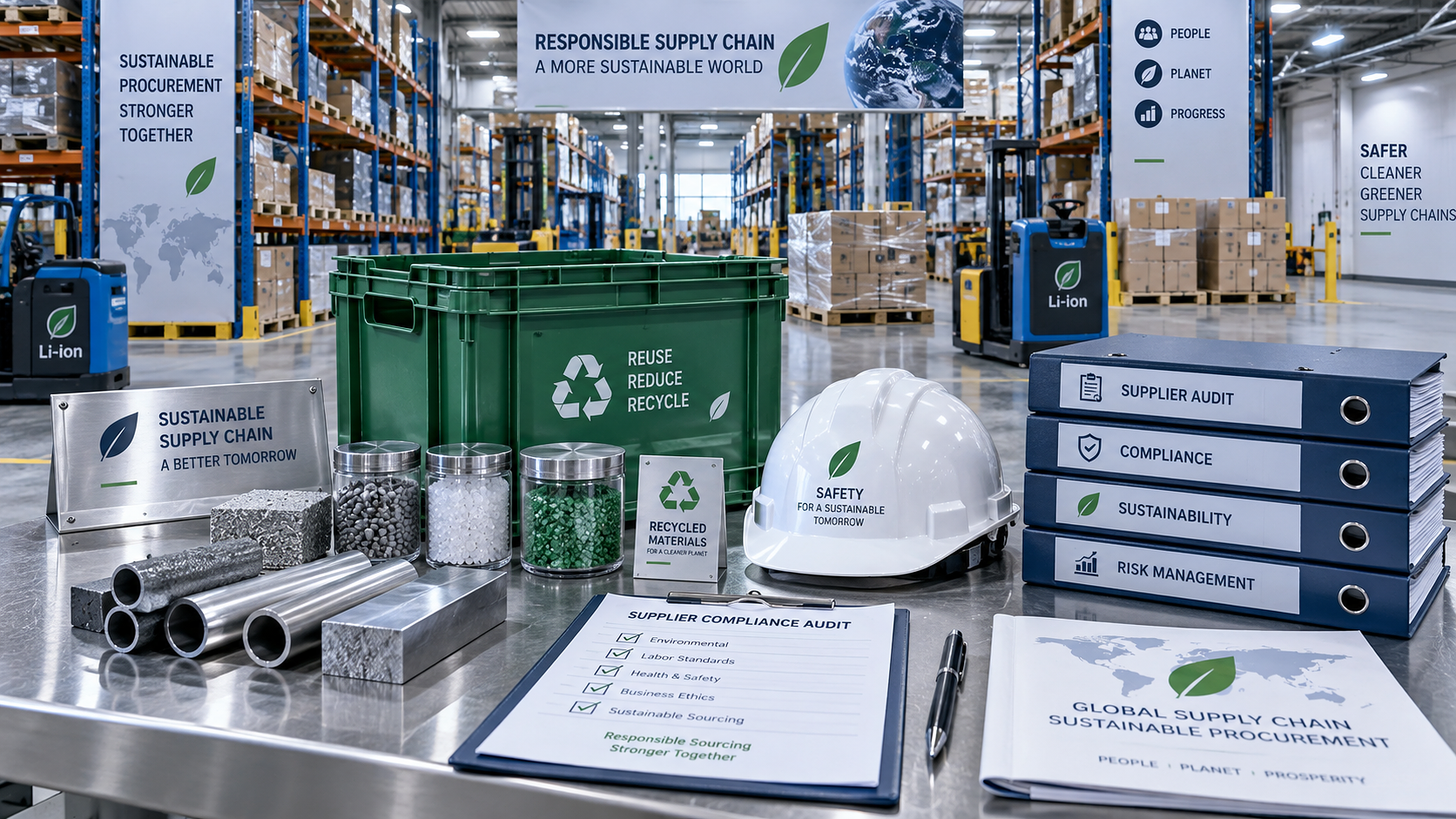
Environmental reporting, energy performance standards, and localized certification rules continue to evolve across regions.
GTIIN’s research across export markets shows that these external variables increasingly affect equipment selection and implementation timing.
Ignoring them may not stop a project at purchase stage, but it can erode the business case after deployment.
What is a sensible way to judge payback without oversimplifying?
A realistic payback model should go beyond labor substitution.
That narrow approach often misses the true value and the true risk.
A better method is to combine direct and indirect returns.
- Direct returns: labor reduction, scrap reduction, higher throughput, lower rework.
- Indirect returns: schedule stability, traceability, compliance readiness, better capacity planning.
- Risk offsets: less dependence on volatile labor supply, fewer operator safety incidents, lower outage exposure.
It also helps to model three cases.
Use a base case, a delayed-ramp case, and a supply disruption case.
That simple discipline reveals whether the industrial automation equipment cost remains acceptable under stress.
Where the project spans countries, landed cost and implementation timing should be reviewed together.
Freight spikes, customs delays, and regulatory revisions can push cash flow timing enough to change the approval outcome.
This is exactly why trade intelligence and industrial sourcing analysis belong in the same conversation.
So what should be confirmed before moving forward?
Before approving any automation project, the most useful step is to turn industrial automation equipment cost into a decision checklist.
Not every project needs the same depth, but every project needs clearer boundaries.
- Define required output, quality tolerance, and uptime targets in measurable terms.
- Separate equipment price from integration, compliance, and lifecycle support.
- Stress-test the quote against delivery volatility and regional certification needs.
- Ask for assumptions behind throughput, labor savings, and ramp-up timing.
- Review spare parts strategy and local service response before contract award.
- Compare total landed value, not just initial capex.
In the end, industrial automation equipment cost is best understood as a long-horizon operating decision.
The strongest approvals usually come from linking technical scope, sourcing risk, and lifecycle economics into one view.
That is also the lens GTIIN brings to industrial markets: combining supplier intelligence, trade conditions, compliance signals, and operational reality.
The next step is straightforward.
Map the full project scope, compare supplier assumptions line by line, and test whether the investment still works when timing, compliance, and support variables become less favorable.
Weekly Insights
Stay ahead with our curated technology reports delivered every Monday.
Recommended News
 Supply ChainOct 15, 2026How to choose a supply chain strategy for unpredictable demand
 Supply ChainOct 14, 2026How to assess an industrial equipment supplier's spare parts support
 Supply ChainOct 14, 2026EU Updates CSDDD Guidance on Global Supply Chain Due Diligence
 Global SourcingOct 13, 2026How to assess industrial automation suppliers for legacy integration