What Supplier Audit Findings Signal High Supply Risk?
What Supplier Audit Findings Signal High Supply Risk?
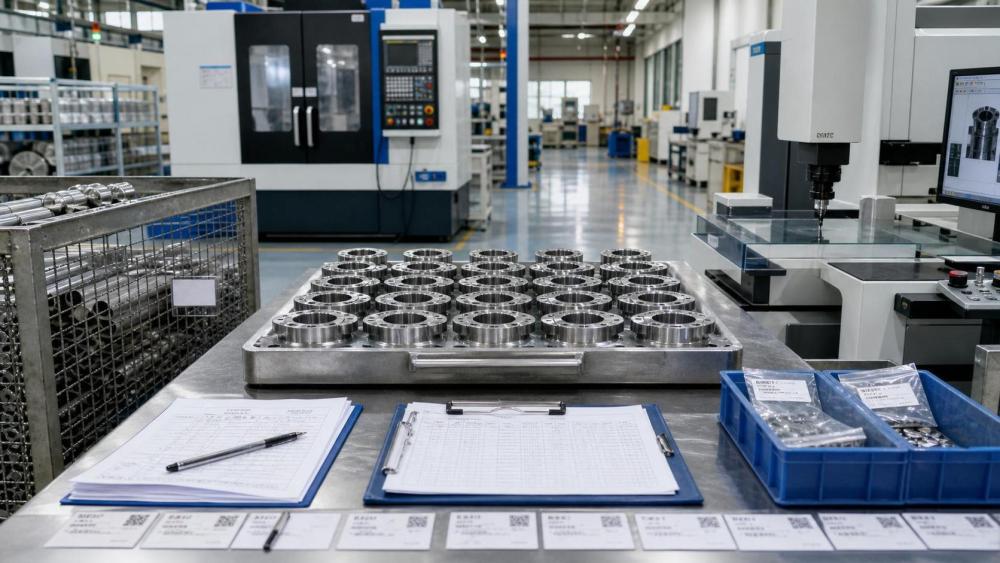
Supplier audit findings often look technical on the surface. In practice, they often point to deeper supply risk across quality, delivery, labor, and continuity.
That matters when schedules are tight, specifications are fixed, and one weak supplier can slow an entire project.
The key is not counting findings alone. The real task is reading which supplier audit findings signal structural instability.
A minor documentation gap may be fixable. Repeated control failures usually are not. That distinction shapes sourcing decisions early.
In global sourcing, supplier audit findings become more valuable when linked to shipment reliability, process discipline, and crisis response capacity.
This article breaks down the findings that deserve immediate attention and shows how to translate audit data into practical risk control.
Why Some Audit Findings Matter More Than Others
Not every nonconformance creates high supply risk. The severity depends on where the finding sits inside the supplier’s operating system.
A missed signature on one form is different from weak traceability across multiple production lots. One is clerical. The other threatens containment.
Useful supplier audit findings usually answer three questions: Can this supplier make conforming product, keep doing it, and recover under stress?
When the answer is uncertain, supply risk rises fast. That is especially true for engineered components, regulated materials, and long-lead equipment.
- Systemic findings affect multiple lines, shifts, or sites.
- Repeat findings show weak corrective action discipline.
- Control-point findings threaten quality escapes and rework.
- Capacity-related findings suggest delivery instability.
From a decision standpoint, the most serious supplier audit findings are those that combine operational weakness with limited recovery options.
Critical Supplier Audit Findings That Signal High Supply Risk
1. Poor Process Control and Inconsistent Work Execution
This is one of the clearest supplier audit findings linked to future disruption. Stable supply depends on repeatable execution, not isolated operator skill.
Warning signs include outdated work instructions, uncontrolled process changes, missing parameter records, and poor line clearance between orders.
These findings suggest product variation, higher defect rates, and slower root-cause analysis when failures appear in the field.
2. Weak Incoming Material and Traceability Controls
A supplier may look capable until raw material controls are tested. Weak traceability is a major signal in supplier audit findings.
If material lots cannot be traced to production batches, containment becomes slow, expensive, and sometimes impossible.
In real projects, that can turn one defect into a site-wide hold, delayed commissioning, or a costly product recall.
3. Repeated CAPA Failures
Corrective and preventive action records show whether a supplier learns. Repeated failures are among the most serious supplier audit findings.
Look for shallow root-cause analysis, overdue actions, recycled fixes, and no evidence that actions reduced recurrence.
This usually means the supplier can respond to audits, but cannot control the process behind the audit.
4. Capacity Bottlenecks Hidden Behind Good Quality Scores
Some supplier audit findings do not mention defects at all. They point instead to delivery fragility.
Common signals include single-shift dependency, overloaded key machines, high overtime, poor maintenance, and no backup tooling.
These conditions often remain manageable in normal demand. They become high supply risk when volume spikes or one machine fails.
5. Labor, Safety, and Compliance Gaps
Labor findings are sometimes treated as separate from supply continuity. That is a mistake.
High turnover, weak training records, unsafe conditions, and excessive overtime usually show up later as absenteeism, slower output, and unstable quality.
They also create legal and reputational exposure, especially in cross-border procurement and regulated export markets.
How to Rank Supplier Audit Findings by Real Business Impact
The most useful approach is to score supplier audit findings against project impact, not audit wording alone.
A moderate finding on a critical component can be more dangerous than a major finding on a low-risk consumable.
Use a simple matrix that connects findings to delivery, quality, substitution difficulty, and recovery time.
This kind of ranking keeps teams focused on what can actually derail a project, not just what looks severe on paper.
What to Ask After High-Risk Supplier Audit Findings Appear
The audit itself is only the starting point. The next step is testing whether the supplier can recover in a controlled way.
- Ask for objective evidence, not presentation slides. Review logs, maintenance records, training files, and lot histories.
- Check whether actions are temporary or systemic. Containment is useful, but it does not replace process redesign.
- Confirm ownership and timing. Weak plans often lack named owners, deadlines, and measurable verification points.
- Test alternative scenarios. Ask how the supplier handles absenteeism, power loss, tooling damage, or sudden volume increases.
- Review sub-supplier dependence. Many supplier audit findings become supply shocks because tier-two risks were never mapped.
These questions turn supplier audit findings into a sharper sourcing decision instead of a passive compliance file.
When to Develop, When to Escalate, and When to Exit
Not every risky supplier should be replaced immediately. Some can improve quickly if the gap is visible and leadership is engaged.
Development makes sense when the supplier is transparent, corrective actions are credible, and alternate sources are limited or expensive.
Escalation is necessary when supplier audit findings affect launch timing, customer compliance, or field safety.
Exit becomes reasonable when the same supplier audit findings repeat across audits, management accountability stays weak, and recovery remains slow.
This is where trade intelligence also helps. Broader market visibility can show whether the weakness is supplier-specific or region-wide.
That context supports better sourcing decisions, especially when switching regions, qualifying new vendors, or hedging geopolitical exposure.
Turning Supplier Audit Findings Into Stronger Sourcing Decisions
The best use of supplier audit findings is not simple pass or fail judgment. It is early detection of future supply risk.
Findings around process control, traceability, CAPA, capacity, and labor stability usually deserve the closest review.
When these signals appear together, they often point to a supplier that may perform acceptably today but fail under pressure tomorrow.
A disciplined review process helps reduce delays, avoid surprise costs, and protect continuity across international supply chains.
For teams managing complex procurement programs, reading supplier audit findings well is no longer optional. It is a core risk management capability.
Use each audit to decide what must be corrected, what must be monitored, and what should no longer be trusted with critical scope.
Weekly Insights
Stay ahead with our curated technology reports delivered every Monday.
Recommended News
 Supply ChainOct 15, 2026How to choose a supply chain strategy for unpredictable demand
 Supply ChainOct 14, 2026How to assess an industrial equipment supplier's spare parts support
 Supply ChainOct 14, 2026EU Updates CSDDD Guidance on Global Supply Chain Due Diligence
 Global SourcingOct 13, 2026How to assess industrial automation suppliers for legacy integration