How to use traceability to verify supply chain sustainability claims
A supplier’s sustainability claim is credible only when evidence connects the stated environmental or social attribute to the material actually purchased. Traceability establishes that connection, but it does not prove that the underlying activity was sustainable. A complete shipment history can identify a factory without demonstrating safe working conditions, responsible sourcing, or lower emissions.
Verification therefore requires two separate checks: whether the claimed performance is supported by reliable evidence, and whether that evidence applies to the supplied product, batch, site, and period. A certificate may support one part of this assessment. It cannot replace the chain of records linking a claim to a delivery.
Turn broad claims into verifiable specifications
“Responsibly sourced,” “green,” and “sustainable” are not sufficiently precise acceptance criteria. Before requesting supplier documents, convert the claim into a statement that can be tested. Identify the attribute, its measurement basis, the product boundary, the relevant period, and any exclusions.
For example, “contains recycled material” leaves several questions unanswered. Does the percentage refer to the whole product, one component, or packaging? Is it calculated by mass? Does it include pre-consumer material, post-consumer material, or both? Does the claim describe physical content or an allocation under a certification scheme?
Record the agreed wording in the purchasing specification or claim register. Otherwise, a supplier can answer a narrow question about certified input while the buyer interprets the response as proof that the entire finished product is sustainable.
Establish what the chain-of-custody model actually permits
A central distinction in sustainable supply chains traceability is whether the system tracks physical material, allocated attributes, or separately traded certificates. These arrangements support different claims; they are not interchangeable levels of documentation.
- Identity preserved: Material from an identified source remains distinguishable through the chain. This can support source-specific statements, provided all relevant transfers and transformations are controlled.
- Segregated: Eligible material is kept separate from non-eligible material, but inputs from several eligible sources may be combined. A specific-source claim may no longer be justified.
- Mass balance: Eligible and other inputs can be mixed under defined accounting rules. Claims depend on permitted allocation, conversion factors, accounting periods, and organizational boundaries—not necessarily the physical content of each delivery.
- Book and claim: Attributes or certificates are transferred separately from physical goods. This does not establish that the delivered material contains the certified input.
Terminology and permitted claims vary between schemes. Check the governing rules rather than assuming that a model name has identical implications everywhere. A mass-balance allocation, for example, should not be rewritten as a physical recycled-content statement unless the applicable methodology and claims rules support that wording.
The appropriate model depends on the claim being made. If a purchase specification requires material physically originating from an approved source, an independently traded certificate is not an equivalent substitute.
Reconstruct the delivery, not just the supplier relationship
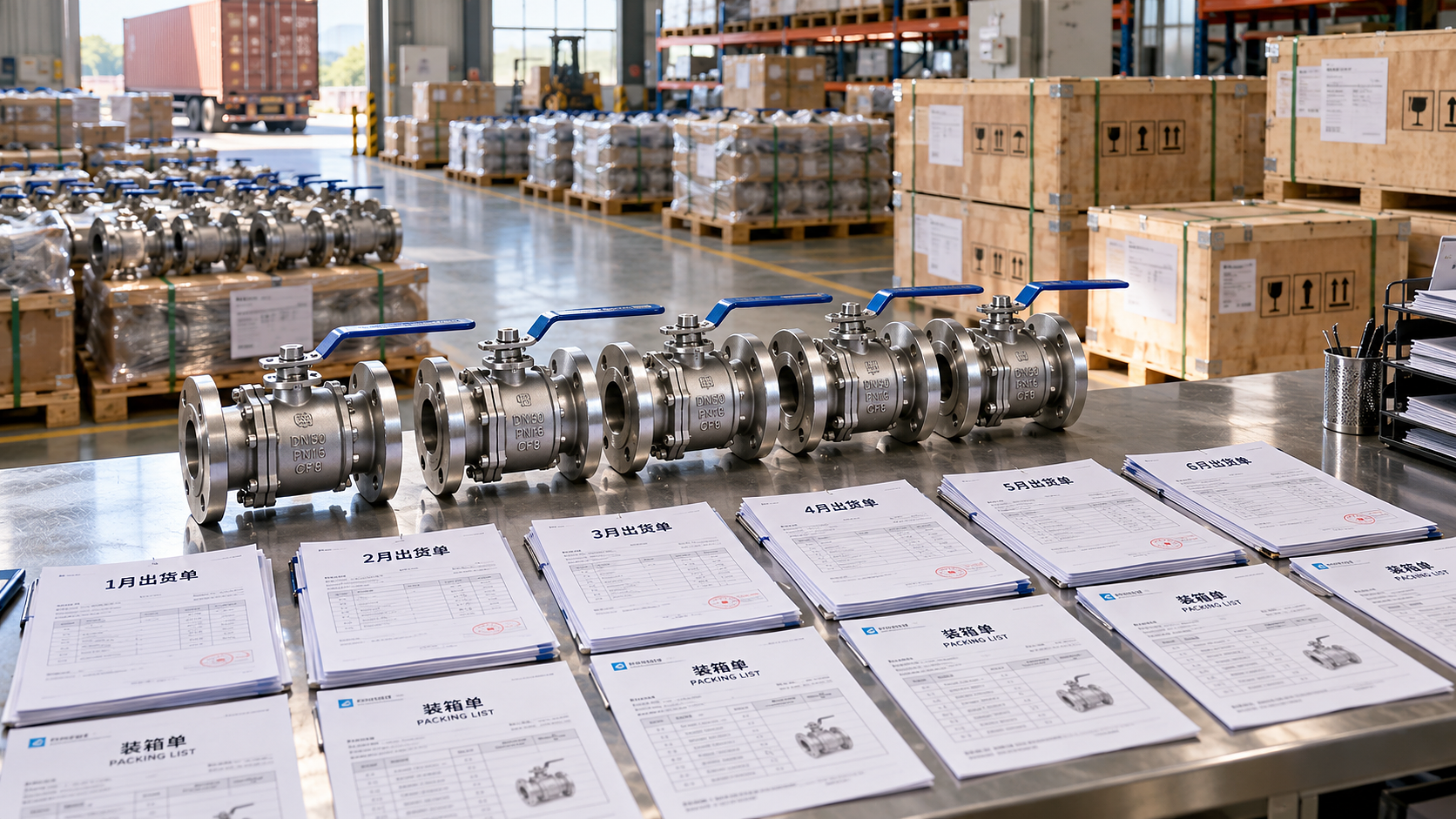
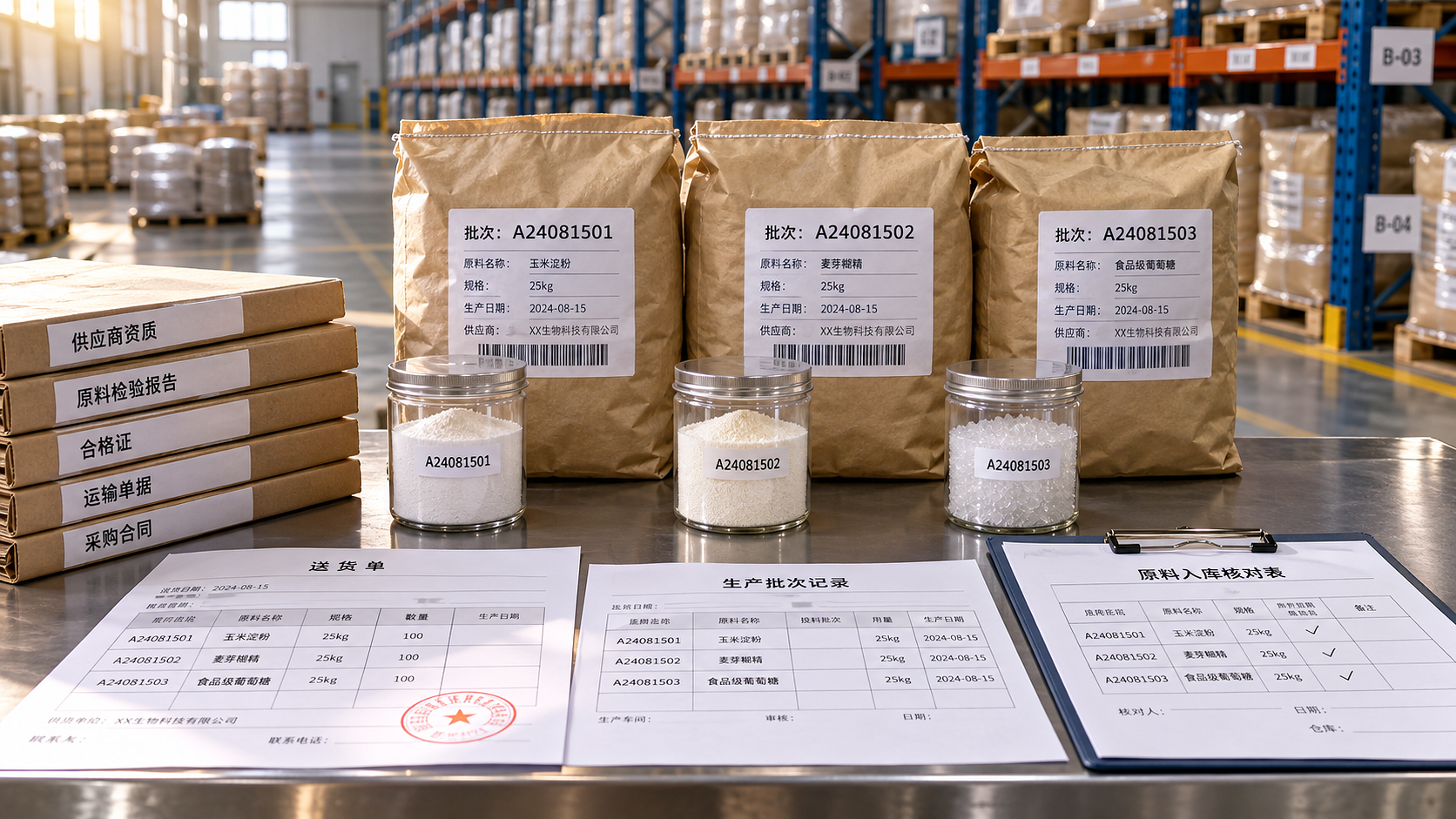
Begin with a received shipment and work backward. Link the delivery identifier to the purchase order, supplier invoice, dispatch record, production batch, input lots, and upstream source evidence. At every transformation or transfer, determine what identifier connects the outgoing material to its inputs.
Records do not need identical batch numbers throughout the chain. A processor may assign new identifiers after blending, refining, cutting, or assembly. What matters is a documented mapping between identifiers, with quantities and dates that make operational sense.
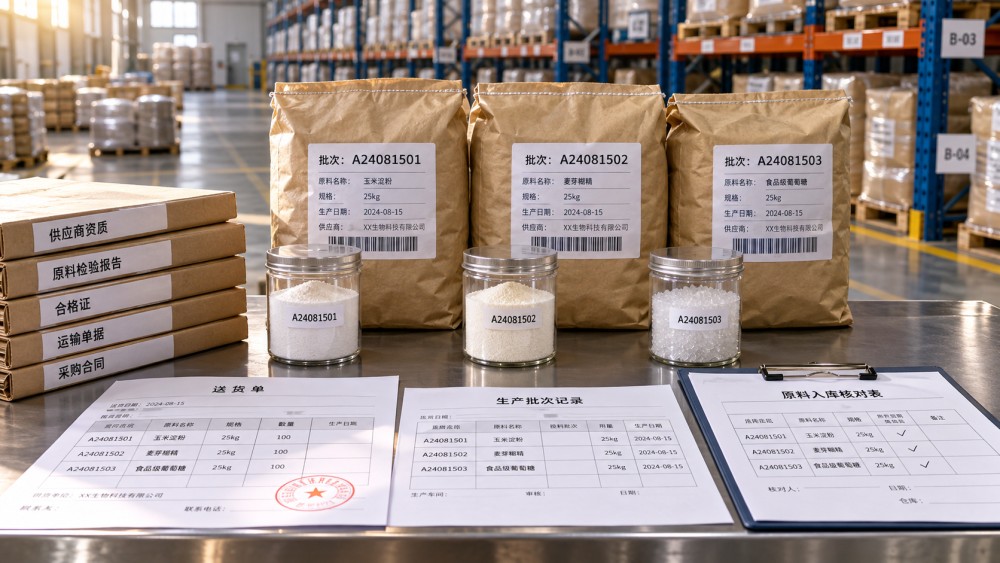
For each relevant link, capture the legal entity, physical site, material description, quantity, transaction date, and evidence reference. Distinguish the seller from the production facility: a trading company’s registration or certificate does not automatically cover the plant that manufactured the goods.
Pay particular attention to toll processors, subcontracted operations, warehouses, and repacking sites. Their relevance depends on whether they transform material, mix stock, change identifiers, or control sustainability allocations. A subcontractor that performs a claimed low-emission process cannot disappear from the evidence chain simply because the main supplier issues the invoice.
Perform a forward check as well. Select an upstream eligible input and identify which outputs received its attributes. Backward tracing tests whether a delivery has supporting evidence; forward tracing helps reveal duplicated allocations and unexplained quantities.
Test quantities before accepting document completeness
A traceability file can look complete while describing an impossible material flow. Reconcile opening inventory, receipts, production use, output, losses, transfers, and closing inventory within a defined boundary and period. Use consistent units and distinguish wet weight, dry weight, active content, or other relevant measurement bases.
Consider a hypothetical mechanically blended product: a batch uses 300 kilograms of eligible recycled input and 700 kilograms of virgin input. If both streams are fully incorporated, with no differential losses, additives, or inventory effects, the resulting 1,000 kilograms contains 30% recycled input by mass. If processing removes material or introduces other ingredients, that simple calculation is no longer sufficient.
Mass-balance claims require an additional accounting test. Determine how the scheme converts inputs into claimable outputs, which products can receive allocations, whether credit transfers are permitted, and how balances are carried between periods. A site-wide annual total cannot establish compliance with rules requiring narrower product, site, or time boundaries.
Investigate negative balances, unexplained yield changes, repeated round-number adjustments, and claims exceeding eligible input availability. These discrepancies are reasons to seek evidence, not automatic proof of misconduct. Different accounting cutoffs, delayed postings, and unit conversions can also cause mismatches.
The decisive question is whether the supplier can reconcile the difference with contemporaneous records rather than a newly created explanation unsupported by production or inventory data.
Check what certificates and technical evidence actually establish
Validate certificates through the issuing body or an authoritative scheme directory where available. Match the certificate holder, covered sites, products, activities, validity period, and status to the transaction. Where the scheme requires transaction-specific documentation, verify that it covers the relevant movement and quantity.
A valid management-system certificate demonstrates something different from product certification or transaction verification. Likewise, an audit of one facility does not automatically cover its subcontractors. Read the scope and exclusions before treating a certificate as acceptance evidence.
The sustainability attribute itself needs a suitable verification method:
- Recycled content: Establish that incoming material meets the applicable definition, then examine input quantities, formulation, and production accounting. Chemical testing may identify composition or contaminants, but it cannot universally distinguish recycled material from chemically equivalent virgin material.
- Carbon performance: Review assessment boundaries, energy data, emission factors, allocation methods, and comparability with the stated baseline. Traceability identifies which plant or process supplied the goods; it does not calculate that product’s emissions.
- Origin-related claims: Connect source locations to the actual material flow, then assess the required geographic, land-use, or legality evidence. A country-of-origin statement may be too broad for a location-specific claim.
- Labor and safety claims: Verify actual operating sites and relevant subcontractors, then examine assessment coverage, findings, worker input, and closure of corrective actions. Shipment records cannot prove working conditions.
Independent verification should match the uncertainty being resolved. A laboratory test is useful for a measurable material property; it is not a substitute for reviewing allocation accounts. A documentary audit may validate chain-of-custody controls without establishing whether workers can report hazards without retaliation.
Use exceptions to control acceptance and escalation
Not every evidence gap warrants the same response. Separate administrative errors from broken traceability and contradicted claims. A transposed reference number that can be reconciled against original records differs materially from an unidentified production site or an allocation that exceeds available eligible inputs.
A practical disposition process distinguishes between:
- Supported claims: The defined attribute is substantiated, the chain is connected, and material discrepancies have been resolved.
- Claims awaiting clarification: Evidence is incomplete, but the missing information is specific and potentially recoverable. Set a deadline and restrict use of the claim until resolution.
- Unsupported or contradicted claims: Critical evidence is unavailable, the chain is broken, or records conflict with the claim. Suspend the claim and determine the appropriate contractual or material disposition.
Keep sustainability status separate from product safety status. A batch may meet technical and safety requirements while lacking evidence for its environmental label. Conversely, certified sourcing does not establish compliance with chemical restrictions, contamination limits, or performance specifications. Physical quarantine is appropriate when required by the identified risk, contract, or applicable rules—not simply because every documentation issue is treated alike.
Escalate verification when risk increases: a new source, unexplained site change, unusual capacity claim, repeated reconciliation failure, or conflicting records may justify deeper sampling or an independent assessment. Choose samples across suppliers, periods, and transformations rather than reviewing only files selected by the supplier.
Preserve the evidence behind the final claim
Maintain a claim dossier containing the approved wording, applicable requirements, shipment and batch identifiers, chain-of-custody model, supporting records, verification results, exceptions, and approval decision. Preserve document versions and the date of external validity checks so the decision can be reconstructed later.
Digital platforms can simplify these links and flag missing fields or duplicate allocations. They cannot make an incorrect source declaration true. Access controls, change histories, reconciliation rules, and checks against independent records matter more than whether the system uses a particular technology.
Reverification should follow changes that can invalidate the evidence: a different feedstock, production site, subcontractor, allocation method, or certificate status. Approval of one shipment is not indefinite approval of every future delivery.
The final acceptance test is specific: can the organization show why this claim applies to this material, under these boundaries, using evidence that withstands challenge? Where the answer is incomplete, narrow or withhold the claim rather than allowing traceability paperwork to imply performance it has not demonstrated.
Weekly Insights
Stay ahead with our curated technology reports delivered every Monday.
Recommended News
 Global SourcingOct 25, 2026How to find active suppliers in a trade intelligence platform dashboard
 Supply ChainOct 25, 2026Trade Tariffs Cause Whiplash at Port Milwaukee, Disrupting Cargo Flows
 Supply ChainOct 24, 2026How to use traceability to verify supply chain sustainability claims
 Market TrendsOct 24, 2026FedEx Report: AI Drives Asia-Pacific Chip and Digital Infrastructure Supply Chain Demand