2026 Bund Summit Examines Global Trade Resilience and Supply Chain Restructuring
Global trade resilience, tariff friction and supply chain diversification were discussed at the 2026 Bund Summit on October 21, 2026, with potential implications for exporters, manufacturers and procurement teams assessing their international operations. The discussion addressed how industrial policy and geopolitical tensions interact with trade flows and production networks. From an industry perspective, its relevance lies in the questions it raises about sourcing, market access and delivery planning; the supplied account does not establish any newly adopted trade rule or compliance obligation.
Trade resilience discussed alongside shifting production networks
Participants from several countries joined a roundtable titled “Underestimated Trade Resilience?” at the summit. Their discussion covered global trade growth, AI industry supply chains, supply chain diversification and industrial policy.
Drawing on container shipping data, the president of the European Union Chamber of Commerce in China highlighted the influence of Chinese manufacturing competitiveness and the extension of Chinese supply chains into third countries on global trade flows. The discussion also highlighted the stronger-than-expected resilience of international trade despite tariff friction and geopolitical tensions.

Changing trade routes raise different questions across the supply chain
Export planning may require closer scrutiny of production arrangements
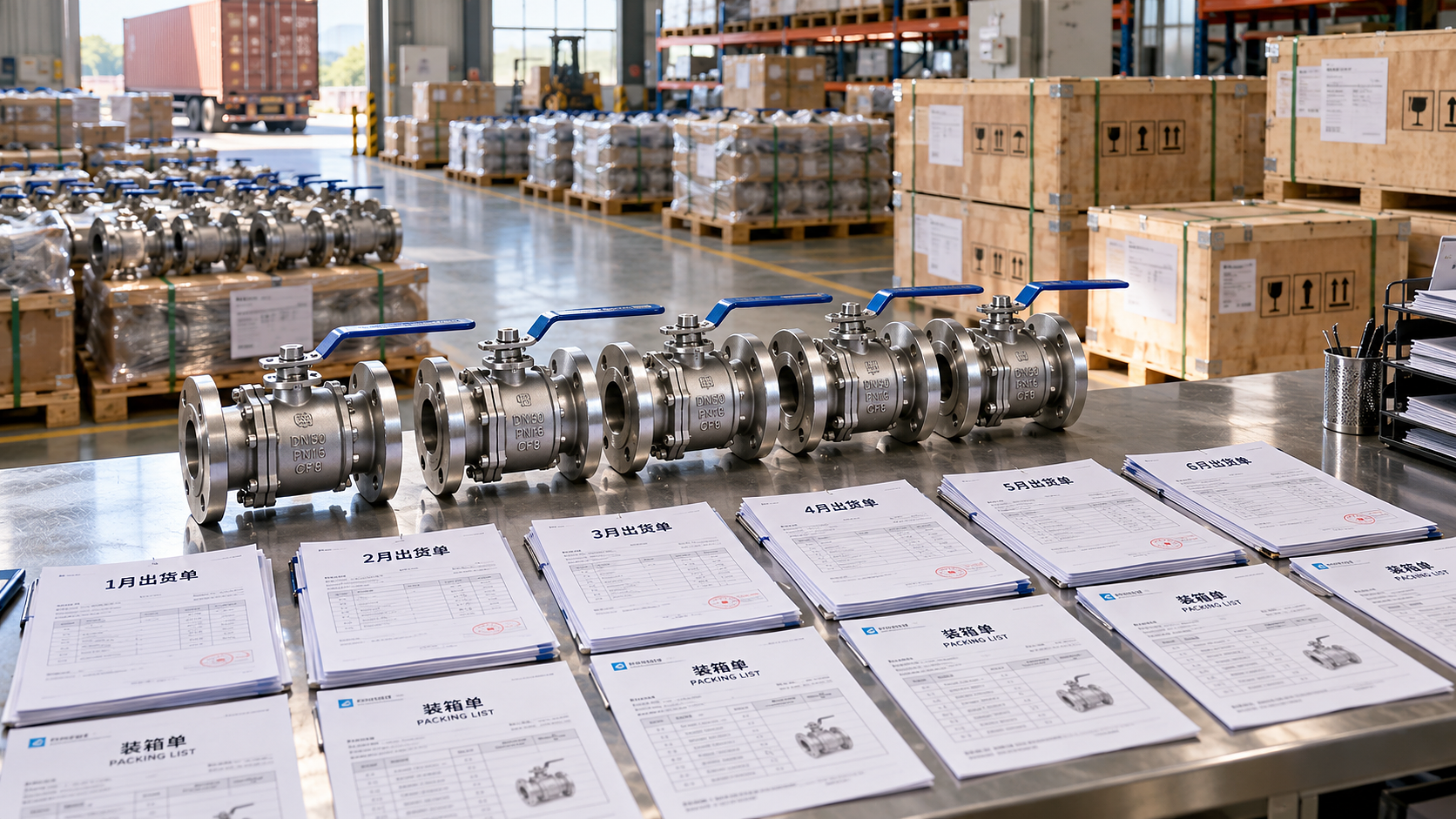
Analysis suggests that exporters assessing third-country production or sourcing arrangements may need to examine how those arrangements interact with the rules applicable to their products and destinations. A change in shipping route or supplier location should not, by itself, be treated as evidence of a different tariff outcome. Relevant checks could include applicable origin requirements, supporting production records and consistency between commercial and shipping documents.
Procurement diversification may leave shared dependencies
From a procurement perspective, the discussion of Chinese supply chains extending into third countries raises a practical question: whether additional supplier locations also provide distinct sources of components, materials and production capacity. Analysis suggests that buyers could benefit from examining these dependencies when evaluating alternative suppliers, alongside qualification requirements and delivery capabilities. Geographic diversification alone may provide an incomplete picture of supply continuity.
AI supply chain planning may need more policy awareness
The inclusion of AI industry supply chains makes policy developments relevant to procurement and manufacturing teams in that sector. As an analytical consideration, changes in applicable trade measures could affect supplier selection, sourcing options or delivery assumptions. However, the supplied account identifies no particular AI product, restriction or certification change, so it does not support conclusions about specific transactions or compliance requirements.
Practical checks before revising sourcing and delivery plans
Verify the rule behind any proposed tariff assumption
As a practical recommendation, companies considering changes to sourcing or production locations could verify the applicable requirements before incorporating anticipated tariff treatment into quotations or procurement budgets. The roundtable offers a reason to review assumptions, but it provides no basis for claiming that a particular supply chain arrangement qualifies for different treatment.
Connect supplier mapping with supporting records
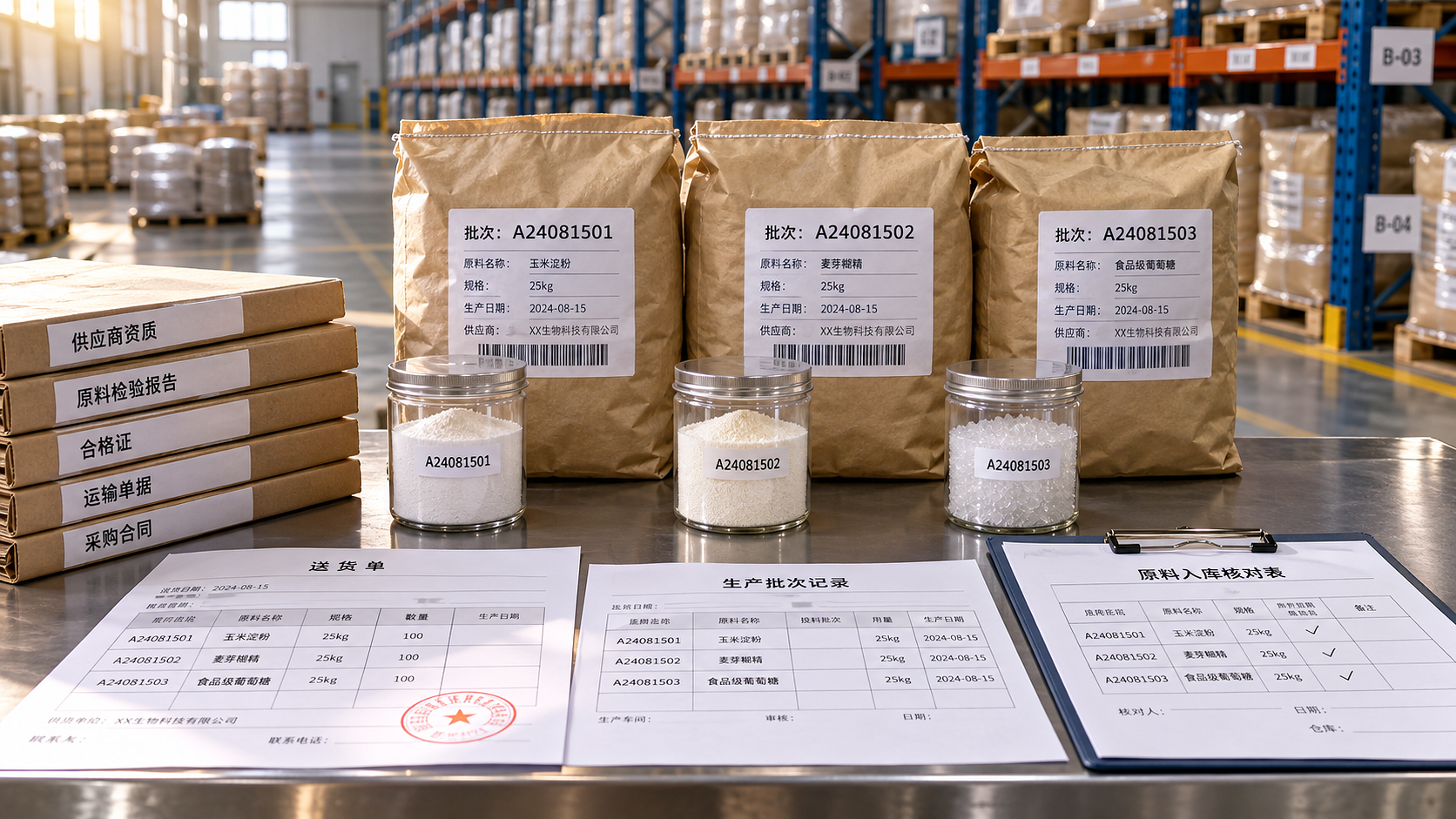
Analysis suggests that procurement teams could compare supplier declarations with the production and sourcing information available to them. Where a proposed diversification strategy depends on a different manufacturing location, reviewing the relevant records may help identify information gaps. Any document request should reflect the transaction and applicable requirements; the event does not establish a new documentation mandate.
Test delivery assumptions against alternative scenarios
For planning purposes, companies could assess how tariff uncertainty or changes in sourcing arrangements might affect purchasing schedules, supplier qualification and delivery commitments. Alternative suppliers may warrant validation before buyers rely on them for time-sensitive orders. These are precautionary planning options, rather than confirmed consequences of the summit discussion.
Track official measures separately from conference commentary
Businesses may find it useful to monitor subsequent official announcements and relevant trade authority guidance before changing compliance procedures. The supplied information does not identify a new regulation, effective date, certification requirement or enforcement instruction. Any operational change attributed to a policy development would therefore need separate verification.
A policy discussion signal rather than evidence of implementation
As an editorial assessment, this event is best understood as a discussion of trade resilience under policy pressure. It does not document the introduction or implementation of a specific rule. Its practical value lies in drawing attention to the relationship between manufacturing competitiveness, supply chain expansion and trade flows.
Further analysis should distinguish evidence of continued trade activity from evidence about compliance conditions. The reference to container shipping data supports the reported discussion of trade flows, but the supplied account contains no detailed figures or methodology. It therefore cannot establish the scale of particular sourcing shifts or their implications for individual businesses.
Resilient trade still calls for transaction-level judgment
From an industry perspective, the discussion suggests that continued international trade and supply chain restructuring can coexist with tariff and geopolitical uncertainty. Companies may use this information to revisit sourcing dependencies, documentation readiness and delivery assumptions. The appropriate response is a targeted review of relevant exposures, with changes to compliance procedures tied to verified requirements rather than inferred from conference remarks.
Basis of this account and points requiring verification
This article is based solely on the user-provided news title, event date and event summary. Specific official source links were not provided in the input, and the reported statements and any subsequent policy developments remain subject to further verification.
Potential verification sources include official event materials, relevant chamber publications, customs and trade authority announcements, and authoritative media reporting. Further monitoring could focus on any formal policy details, trade implementation guidance, industry feedback and companies’ experience with sourcing or delivery adjustments. These are areas for follow-up, not developments confirmed by the supplied account.
Weekly Insights
Stay ahead with our curated technology reports delivered every Monday.
Recommended News
 Global SourcingOct 25, 2026How to find active suppliers in a trade intelligence platform dashboard
 Supply ChainOct 25, 2026Trade Tariffs Cause Whiplash at Port Milwaukee, Disrupting Cargo Flows
 Supply ChainOct 24, 2026How to use traceability to verify supply chain sustainability claims
 Market TrendsOct 24, 2026FedEx Report: AI Drives Asia-Pacific Chip and Digital Infrastructure Supply Chain Demand