Supply Chain Mapping: Steps to Find Hidden Supplier Risks
Supply Chain Mapping: Steps to Find Hidden Supplier Risks

In complex global sourcing environments, supply chain mapping is no longer optional for project managers and engineering leaders who need visibility beyond tier-one vendors.
Hidden risks can sit deep in the network. They often stay invisible until schedules slip, costs jump, or quality failures hit a live project.
That is why supply chain mapping matters. It helps teams see where materials come from, who processes them, and where disruption is most likely.
For cross-border projects, the challenge is even bigger. A single approved supplier may depend on several unknown factories, traders, ports, and compliance workflows.
This guide explains a practical supply chain mapping process. The goal is simple: uncover hidden supplier risks early and improve decision quality before problems escalate.
In real operations, better visibility also supports stronger negotiation, better contingency planning, and faster response when trade conditions suddenly change.
Why supply chain mapping matters now
Recent supply shocks have changed procurement thinking. Companies no longer judge suppliers only by price, lead time, and technical fit.
A stronger signal is the rise of hidden dependencies. These include single-source subcomponents, unstable freight lanes, sanctions exposure, and weak environmental compliance.
Supply chain mapping turns those unknowns into visible risk points. It connects supplier relationships to physical flows, regulatory exposure, and operational bottlenecks.
This also means fewer surprises during execution. Teams can align sourcing plans with project milestones instead of reacting after disruption has already spread.
Platforms like GTIIN support this work by combining trade intelligence, sector analysis, export trends, and supply chain resilience insights across global industries.
Step 1: Define the mapping scope before collecting data
A useful supply chain mapping exercise starts with boundaries. Without them, teams collect too much information and still miss the critical risk nodes.
Start with one project, one product family, or one critical material group. Focus first on the items that can stop delivery or damage compliance.
Define what the map must answer. For example, identify sole-source exposure, long customs delays, carbon reporting gaps, or region-specific geopolitical risks.
Set a tier depth as well. Many organizations stop at tier one, but hidden supplier risks usually appear in tier two and tier three.
- List critical components and raw materials.
- Mark items with long replacement cycles.
- Prioritize regions with trade or policy volatility.
- Decide how far upstream the map must go.
This first step makes later analysis sharper. It keeps supply chain mapping tied to business decisions, not just documentation.
Step 2: Identify every supplier entity behind the contract
The contracted vendor is often only the visible layer. Real production may involve a parent company, subcontractor, processor, warehouse operator, and separate exporter.
Effective supply chain mapping separates legal entities from operational roles. That distinction matters when disruptions hit or certifications need verification.
Build a supplier profile for each entity. Include ownership, site locations, production scope, certifications, trade history, and dependency on specific ports or carriers.
In practice, some suppliers resist disclosure. That itself is a risk signal, especially when the part is highly specialized or capacity is concentrated.
- Confirm manufacturing site versus trading office.
- Verify subcontracting and outsourcing arrangements.
- Check whether export activity matches production claims.
- Link each entity to actual material or component flows.
This step is where hidden supplier risks begin to surface. It reveals who really controls output, quality, and shipment reliability.
Step 3: Trace the physical flow, not just the vendor list
A vendor list shows relationships. Supply chain mapping goes further by showing how goods actually move from source to site.
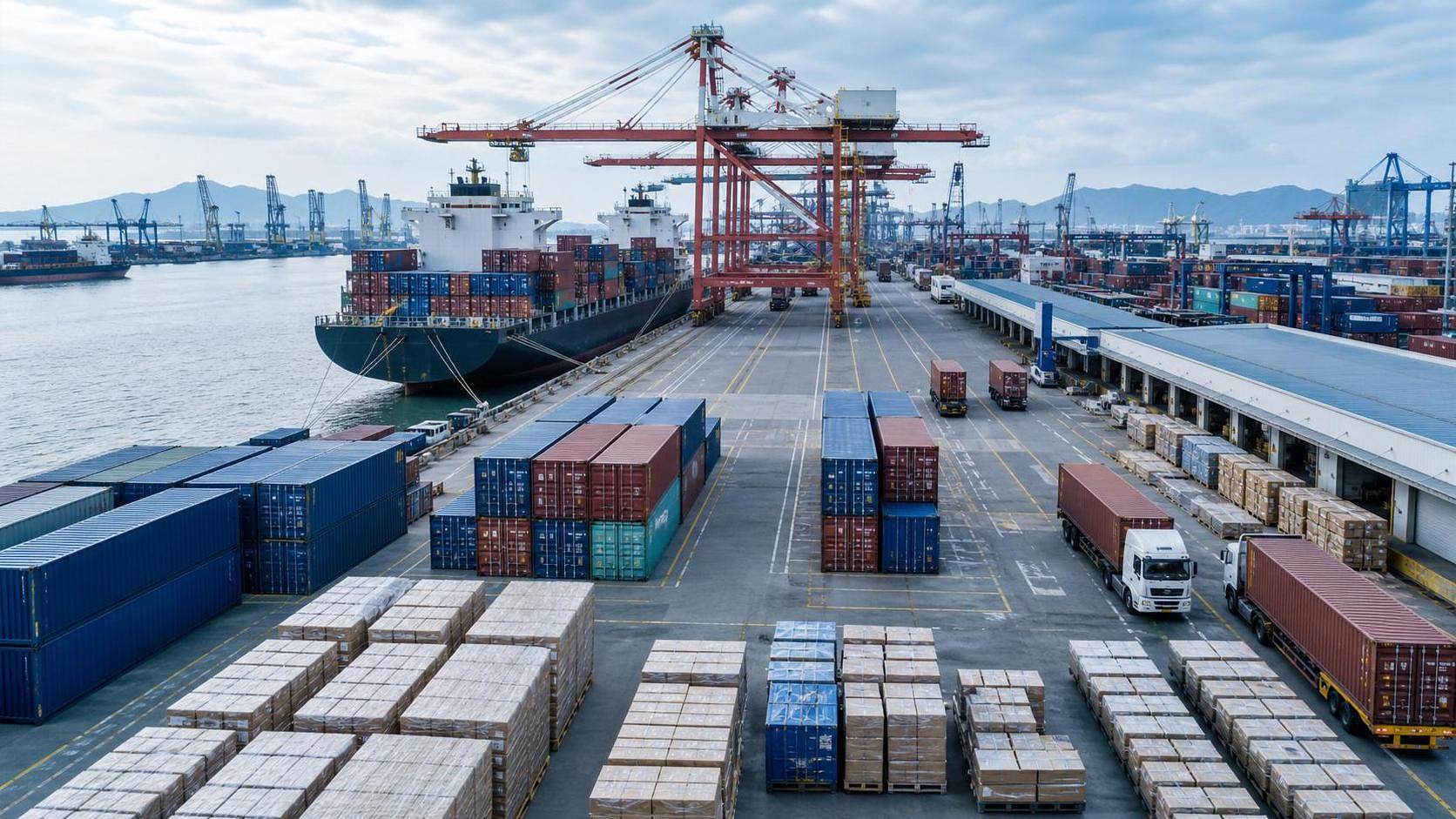
Track origin points, processing locations, consolidation hubs, border crossings, and final delivery nodes. Physical flow often reveals bottlenecks the contract never mentions.
For example, two suppliers may appear independent. Yet both can rely on the same smelter, testing laboratory, or transshipment port.
That kind of overlap creates concentration risk. If one upstream node fails, several approved suppliers may fail together.
A practical map should include lead times, transport modes, customs touchpoints, inventory buffers, and handoff points between entities.
Step 4: Score hidden supplier risks with clear criteria
Once the network is visible, the next step is prioritization. Not every issue deserves the same response.
Use a simple scoring model for supply chain mapping. Score each node by probability, operational impact, detectability, and recovery time.
This keeps discussions practical. Teams can compare risk exposure across suppliers, materials, and regions using one common frame.
The most common hidden supplier risks usually fall into five groups:
- Single-source dependence in upstream processing.
- Weak compliance with ESG, labor, or origin rules.
- Shared logistics corridors with recurring congestion.
- Financial weakness or unstable working capital.
- Political, tariff, or sanctions exposure.
From a decision angle, the best map is not the biggest one. It is the one that shows which risks can break project delivery first.
Step 5: Validate the map with real-world signals
A static spreadsheet is not enough. Supply chain mapping becomes more reliable when supplier claims are tested against outside signals.
Use customs data, shipment patterns, certification databases, audit results, commodity trends, and port performance indicators where available.
This is where global trade intelligence becomes valuable. It helps teams compare stated capacity with export activity and spot gaps early.
GTIIN’s cross-sector coverage is especially useful when projects depend on industrial materials, machinery inputs, or regulated supply routes across multiple markets.
A few warning signs deserve immediate review:
- Export records do not match promised output.
- Frequent route changes without clear explanation.
- Expired or inconsistent compliance documents.
- Unusual delivery performance across similar orders.
In actual business settings, these small signals often appear before major disruptions become visible to the wider market.
Step 6: Turn supply chain mapping into action plans
The final goal is action, not reporting. Supply chain mapping should directly shape sourcing strategy, project scheduling, and supplier engagement.
For high-risk nodes, define specific responses. These may include dual sourcing, safety stock, route diversification, technical requalification, or contract clauses.
For moderate risks, create monitoring triggers. Examples include lead time drift, customs delay thresholds, and changes in regional regulatory exposure.
This also improves communication inside the organization. Procurement, engineering, quality, and logistics can work from the same risk picture.
- Assign an owner to every critical risk node.
- Set review dates for volatile suppliers and routes.
- Link mitigation plans to milestone deadlines.
- Update maps when sourcing or trade conditions shift.
When done well, supply chain mapping becomes a living operating tool. It supports faster decisions without waiting for a crisis.
Common mistakes that weaken supply chain mapping
Many teams start strong but lose value through avoidable mistakes. The biggest one is treating supply chain mapping as a one-time compliance task.
Another common issue is stopping at supplier names without mapping physical flows. That leaves major logistics and concentration risks untouched.
Some organizations also overbuild the process. They create huge maps with no decision rules, so the data never changes sourcing behavior.
A stronger approach is targeted and repeatable. Focus on critical categories first, then expand where the risk-return case is clear.
Build a stronger risk view before disruption hits
Supply chain mapping gives decision-makers a clearer view of what sits behind supplier promises. That visibility is now essential in volatile global trade conditions.
The most effective process is practical: define scope, identify real entities, trace physical flow, score risks, validate signals, and act on the findings.
For organizations managing cross-border sourcing, this is not just a risk exercise. It is a way to protect delivery, cost control, and long-term resilience.
If your current visibility ends at tier-one suppliers, now is the right time to deepen your supply chain mapping and uncover hidden supplier risks before they affect execution.
Weekly Insights
Stay ahead with our curated technology reports delivered every Monday.
Recommended News
 Global SourcingJun 24, 2026Procuring Heavy Machinery: Global Sourcing Strategies for Used Tyre Cutters
 Global SourcingJun 23, 2026Cross-Border Logistics Delays: Common Causes and Fixes
 Industry StandardsJun 23, 2026Safety Standards Checklist for Industrial Equipment Compliance
 Supply ChainJun 23, 2026Industrial Packaging Choices That Cut Damage and Return Costs