Cross-Border Logistics Delays: Common Causes and Fixes
Why do cross-border logistics delays cause so much disruption?
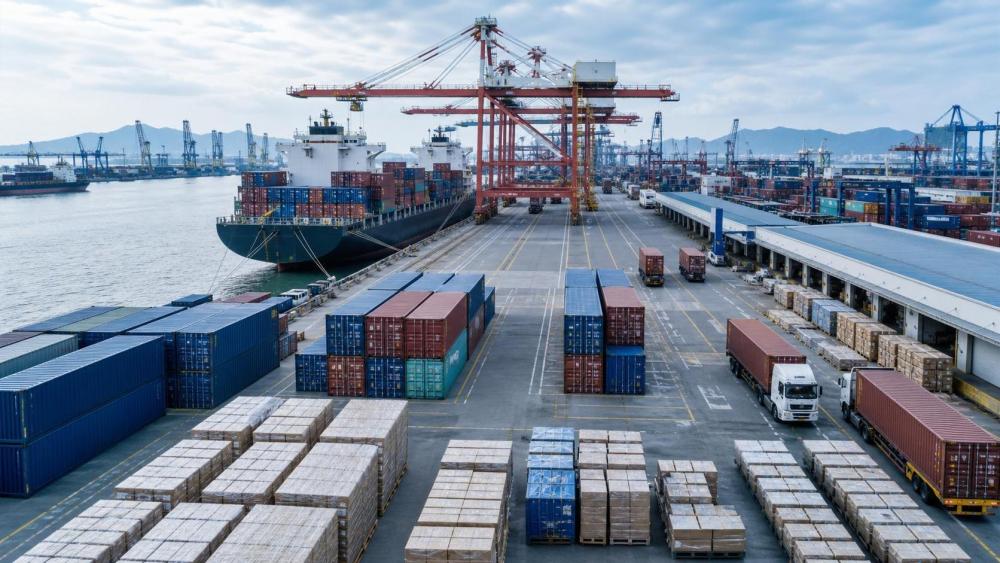
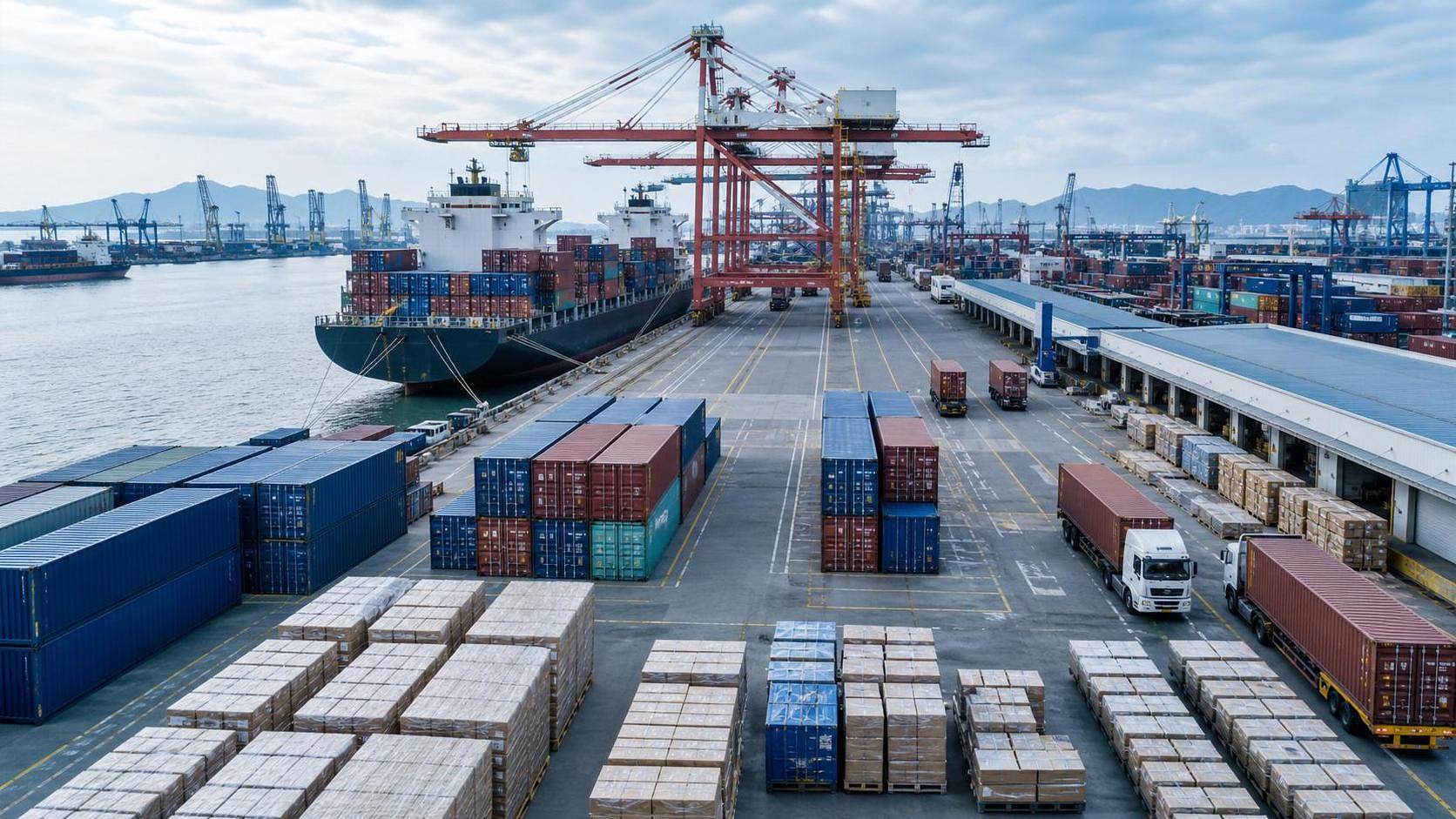
Cross-border logistics delays rarely stay inside the transport lane. They quickly affect inventory timing, duty planning, warehouse labor, and customer commitments.
In daily operations, the real problem is not only a late shipment. It is the chain reaction that follows when every downstream task depends on that shipment.
A container held at origin can trigger stock gaps at destination. A customs review can extend storage fees. A missed transshipment can push delivery windows out by days.
That is why cross-border logistics needs to be managed as a visibility and response issue, not just a freight booking issue.
A practical way to think about delays is this: every shipment moves through documents, infrastructure, regulations, and capacity. Trouble in any one layer can slow the whole move.
GTIIN often frames this through supply chain mapping. The useful lesson is simple. Delay risk becomes easier to control when each lane is broken into measurable checkpoints.
Which causes appear most often in cross-border logistics?
People often search for one root cause, but delays usually come from a mix of small failures that compound during transit.
The most common causes include customs holds, incomplete paperwork, port congestion, flight or vessel rollover, inland trucking shortages, and sudden compliance checks.
Documentation errors remain one of the most preventable issues. A wrong HS code, missing certificate, or invoice mismatch can stop cargo before it reaches clearance.
Port congestion is different. Even when documents are correct, berth delays, yard backlog, and labor disruption can stretch transit beyond the carrier’s original schedule.
Capacity shifts also matter. When carriers cut sailings, re-route aircraft, or prioritize premium loads, standard bookings often move later than planned.
A less visible factor is destination readiness. If the receiving warehouse, broker, or importer record is not ready, the cargo can wait even after arrival.
The table below helps separate the signal from the symptom.
How can you tell whether the delay starts with customs or the carrier?
This is one of the most useful questions in cross-border logistics because the fix depends on where the clock actually stopped.
If the estimated arrival keeps changing before the shipment reaches destination, the issue usually sits with the carrier network, port conditions, or route planning.
If the cargo arrives but does not move into release or delivery, customs, local brokerage, or consignee readiness becomes the stronger suspect.
A good operating habit is to track four timestamps: booked departure, actual departure, actual arrival, and customs release. These milestones expose where the delay begins.
More advanced teams also compare lane-specific dwell time. That matters because a two-day hold at one port may be normal, while the same delay elsewhere signals a real exception.
GTIIN’s trade intelligence approach is relevant here. Looking at regional customs latency, carrier cycle reliability, and compliance changes together creates a clearer judgment than looking at one alert alone.
When the source is unclear, ask for event-level proof, not general updates. “Delayed due to operations” is vague. “Held pending X-ray exam” is actionable.
What fixes work fastest when cross-border logistics starts slipping?
Speed matters, but the fastest response is usually a structured one, not an emotional one.
Start by classifying the shipment. Is it time-critical, cost-sensitive, compliance-sensitive, or customer-committed? The same delay does not need the same response every time.
Then verify the non-negotiables. Check documents, booking status, handover proof, routing changes, and destination release requirements before escalating.
In actual operations, these actions often produce the quickest recovery:
- Pre-clear documents before arrival when the destination allows it.
- Use exception alerts tied to milestone gaps, not only scheduled ETA.
- Prepare one backup route for high-risk lanes during peak season.
- Confirm local delivery slots before cargo becomes available.
- Escalate with evidence, including booking number, event time, and missing action.
Another fix is to shorten handoff ambiguity. Delays often grow because origin, broker, carrier, and destination teams assume someone else is handling the exception.
A one-page escalation rule can help. Define who acts within two hours, who approves re-routing, and who validates cost exposure.
Are some delay risks easy to miss until they become expensive?
Yes, and they are often the most damaging because they seem minor at first.
One common blind spot is data inconsistency across documents. The shipment may move at origin, then fail later when destination data does not match.
Another is product-specific compliance. Chemicals, food-contact materials, electronics, machinery parts, and dual-use items can trigger additional review even on familiar lanes.
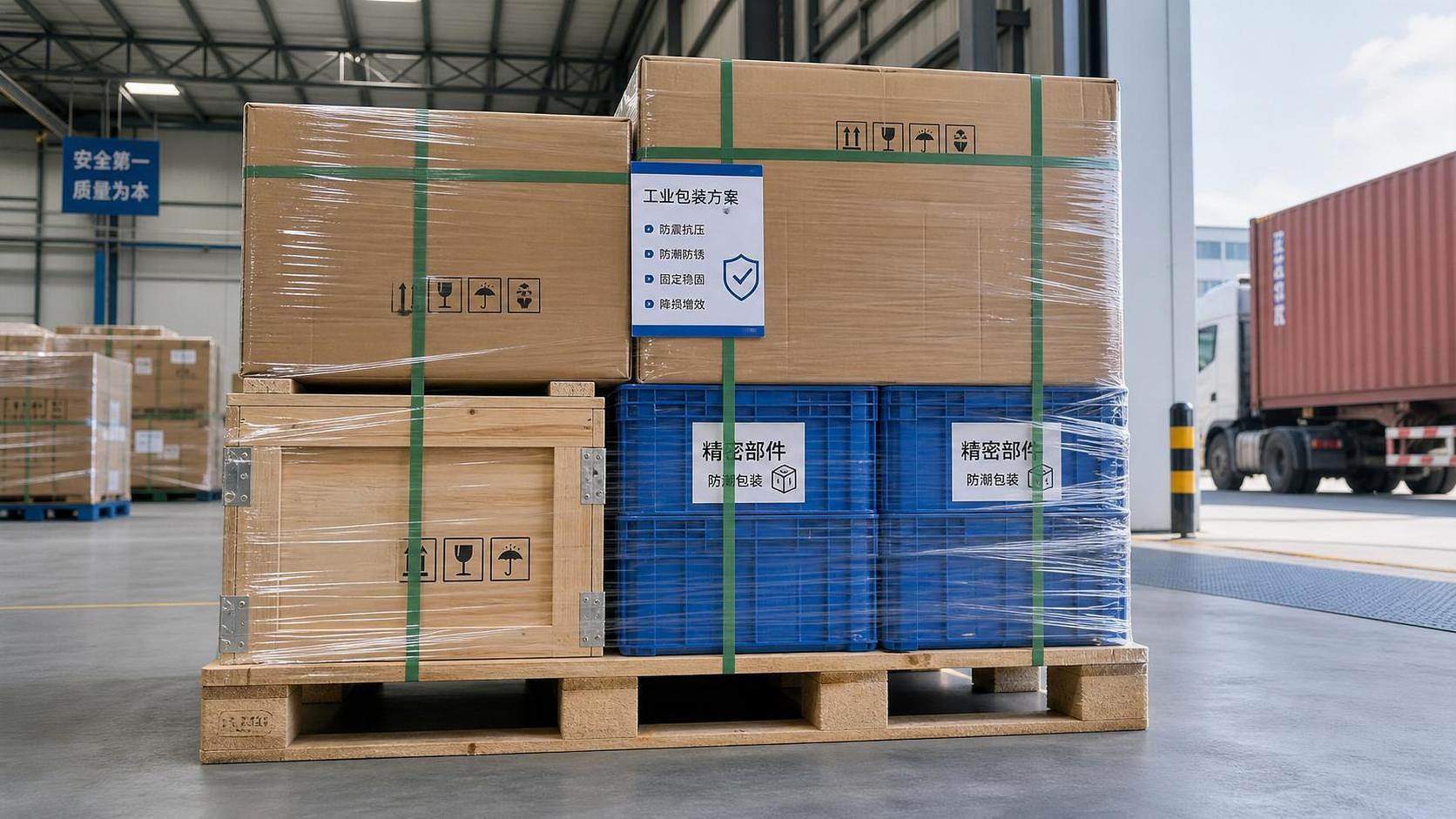
Packaging can also create hidden delay risk. Incorrect labeling, weak palletization, or non-compliant wood packaging may lead to inspection, repacking, or quarantine action.
Then there is timing risk around policy change. A new duty rule, sanctions update, or environmental requirement can slow cross-border logistics before most teams update their routine checks.
This is where broader market monitoring helps. GTIIN’s coverage of export trends, compliance shifts, and industrial standards is valuable because delay prevention often starts before cargo is even booked.
If a lane has repeated exceptions, do not treat each one as isolated. Review the pattern across commodity type, carrier, season, and destination handling.
How should you build a more reliable cross-border logistics routine?
The goal is not zero delay. The goal is early warning, faster decisions, and lower disruption when delay happens.
A reliable routine begins with lane segmentation. Separate stable lanes from volatile ones. Separate standard goods from compliance-heavy goods.
From there, create a simple control list for every shipment:
- Document accuracy confirmed before departure.
- Milestone tracking visible across origin and destination.
- Customs and compliance documents prepared by product type.
- Backup routing or service upgrade rule defined in advance.
- Delay cost triggers mapped, including storage and missed delivery impact.
If you want a practical benchmark, review delayed shipments every month and ask three questions. Where did time slip, what signal appeared first, and which action would have reduced the damage?
That review creates better judgment than reacting to each exception in isolation.
Cross-border logistics becomes more manageable when visibility, compliance, and execution are treated as one operating system rather than separate tasks.
A sensible next step is to map one active lane end to end, compare planned versus actual milestones, and identify the top two recurring causes before changing providers or modes.
That kind of disciplined review usually leads to better fixes, lower surprise cost, and steadier delivery performance over time.
Weekly Insights
Stay ahead with our curated technology reports delivered every Monday.
Recommended News
 Global SourcingJun 24, 2026Procuring Heavy Machinery: Global Sourcing Strategies for Used Tyre Cutters
 Global SourcingJun 23, 2026Cross-Border Logistics Delays: Common Causes and Fixes
 Industry StandardsJun 23, 2026Safety Standards Checklist for Industrial Equipment Compliance
 Supply ChainJun 23, 2026Industrial Packaging Choices That Cut Damage and Return Costs