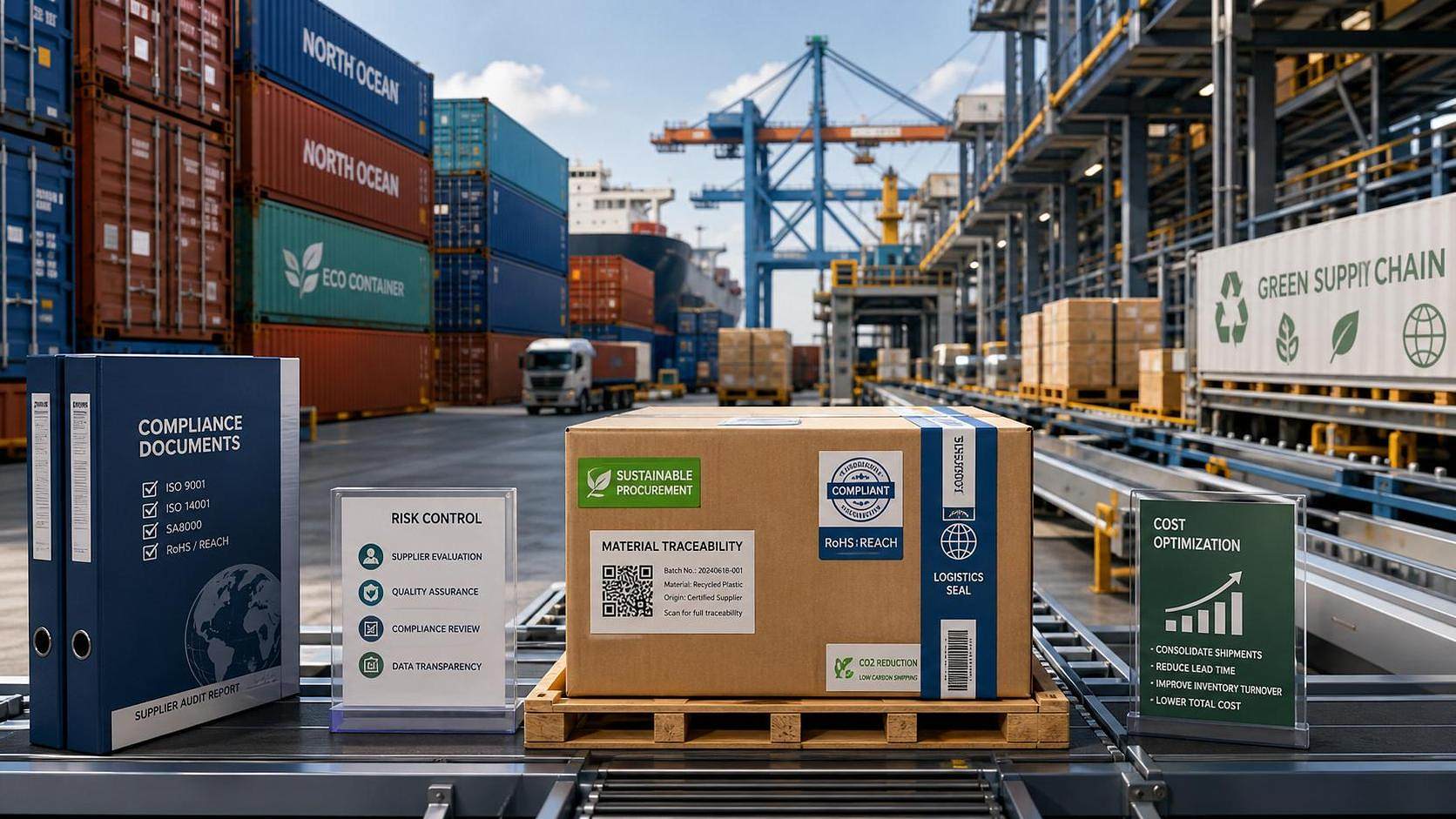
Industrial Safety Standards Explained: Key Compliance Gaps and Audit Priorities
Industrial safety standards sit at the center of reliable production, supplier credibility, and audit readiness. Yet in many facilities, the real exposure does not come from unknown rules. It comes from familiar requirements applied inconsistently across shifts, sites, contractors, and documents.
That gap matters more now because compliance is no longer a local issue alone. In global manufacturing and cross-border sourcing, safety performance influences customer approvals, insurance costs, shipment continuity, and long-term supply chain resilience.
From GTIIN’s broader view of industrial trade and operational risk, industrial safety standards are also a signal of process maturity. They show whether a site can maintain stable output under regulatory pressure, labor turnover, and tighter buyer expectations.
What industrial safety standards really cover
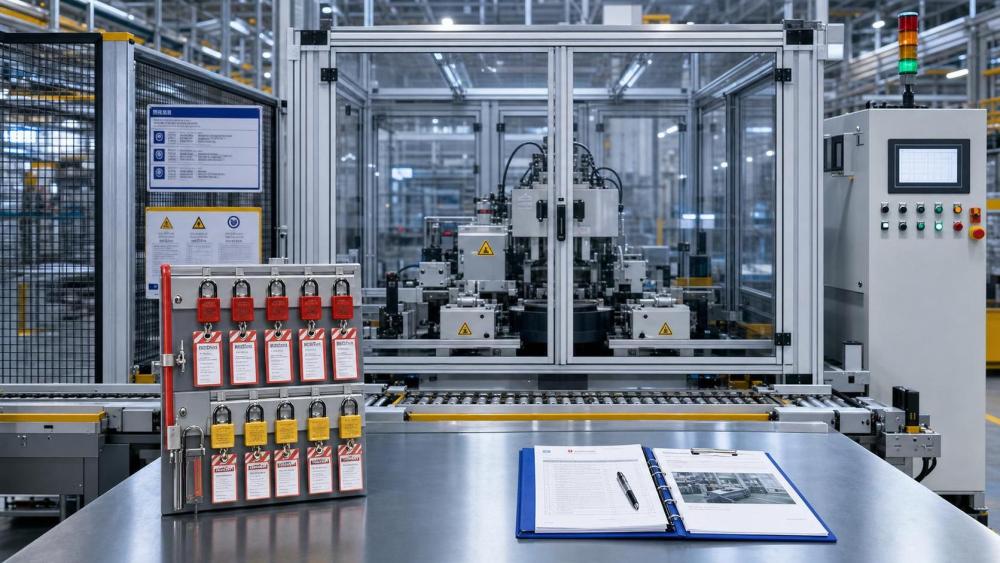
Industrial safety standards are often treated as a checklist. In practice, they form a control framework for preventing injury, limiting operational disruption, and proving due diligence during inspections or third-party audits.
They usually connect several layers of control. These include legal obligations, site procedures, equipment safeguards, worker competency, incident reporting, emergency response, and continuous improvement records.
The exact reference points vary by country and sector. Common anchors include OSHA rules, ISO 45001 systems, machine guarding requirements, lockout/tagout procedures, chemical labeling, confined space controls, and local fire codes.
What matters operationally is not the label of the standard alone. The real test is whether the site can translate those requirements into repeatable behaviors, traceable records, and measurable risk reduction.
Why compliance gaps are attracting more attention
Audit priorities have changed. Inspectors and customers increasingly look beyond visible housekeeping issues and ask whether safety controls are current, documented, and embedded into everyday production decisions.
This shift reflects wider industrial pressures. Multi-country sourcing networks are under closer scrutiny. Buyers want assurance that upstream facilities can meet production targets without hidden safety liabilities that trigger stoppages or reputational damage.
At the same time, automation, temporary labor, and faster production cycles create new failure points. A factory may install modern equipment, yet still fail an audit because training records lag, risk assessments are outdated, or contractors bypass permit systems.
For globally exposed operations, industrial safety standards are now linked to broader governance themes. They intersect with ESG disclosure, supplier qualification, business continuity planning, and resilience mapping across industrial value chains.
The most common gaps found during audits
Most audit findings do not result from a single dramatic failure. They build from small inconsistencies that suggest weak control discipline.
Documentation that exists but does not match reality
Procedures are often available, but versions are outdated, unsigned, or disconnected from current machinery and workflow. Auditors notice quickly when shop-floor practice does not match the written process.
Training records that prove attendance, not competence
A sign-in sheet is not enough. Industrial safety standards increasingly require evidence that personnel understand hazards, can perform critical tasks safely, and receive refreshers after process changes or incidents.
Machine safeguards that are installed but poorly managed
Common problems include bypassed interlocks, missing guard inspections, incomplete preventive maintenance, and unclear restart procedures after servicing or jam removal.
Hazard reporting systems that discourage escalation
Near misses often go unreported when teams fear blame or production delays. That weakens trend analysis and prevents early correction before a recordable event occurs.
Contractor controls that stop at the front gate
External technicians may receive induction training, yet lack task-specific permits, supervision, or alignment with site energy isolation and hot-work rules.
Where industrial safety standards create business value
Compliance is often framed as a cost center, but the stronger case is operational stability. Well-managed industrial safety standards reduce unplanned downtime, support more predictable labor performance, and protect fulfillment commitments.
This becomes especially relevant in sectors with complex sourcing footprints. A safety failure at one node can delay production elsewhere, affect export timing, or trigger customer reviews across an entire supplier group.
GTIIN’s cross-border perspective makes this point clear. Industrial facilities are now judged not only by output quality, but also by whether their governance systems can withstand regulatory scrutiny and operating stress at scale.
In other words, industrial safety standards support commercial trust. They help demonstrate that a site is disciplined enough to deliver consistent quality under real-world constraints.
High-priority scenarios that deserve closer review
Not every risk carries the same audit weight. Some situations deserve faster attention because they combine regulatory exposure with operational fragility.
- New equipment startup without revised risk assessments, guarding validation, and updated operator instructions.
- Shift expansion or temporary labor use without competency checks, supervision plans, and language-appropriate training materials.
- Chemical handling changes that outpace labeling, storage segregation, spill response, and exposure monitoring.
- Maintenance-intensive lines where lockout/tagout is documented, but not consistently observed during short interventions.
- Multi-site operations using different forms, thresholds, and escalation rules for the same hazard categories.
These scenarios matter because they reveal whether industrial safety standards are integrated into change management, not just routine inspections.
How to assess readiness before the next audit
A useful review starts with evidence, not assumptions. Facilities that perform well usually test the link between documents, physical conditions, and worker behavior.
Check alignment across three layers
Confirm that procedures are current, safeguards are functional, and personnel can explain the task-specific controls they use.
Review open findings by recurrence, not only severity
Repeated minor issues often signal system weakness. Auditors may treat recurrence as evidence that corrective action is administrative rather than effective.
Map contractor risk into the same control logic
External work should be governed through the same permit, isolation, and incident reporting expectations as internal operations.
Use trend data to set audit priorities
Near misses, first-aid cases, maintenance overrides, and permit deviations often show where industrial safety standards are weakest before a formal inspection does.
A practical next step for stronger control
The most effective next move is usually not a full policy rewrite. It is a focused gap review that compares regulatory requirements, customer expectations, and actual site execution in the highest-risk areas.
That review becomes more valuable when it is connected to sourcing, continuity, and supplier performance data. For internationally exposed operations, safety controls should be evaluated as part of broader industrial risk intelligence, not in isolation.
Industrial safety standards work best when they are treated as an operating discipline. The next decision should center on where evidence is weakest, where change has outpaced control, and which corrective actions will hold up under both audit and production pressure.
Weekly Insights
Stay ahead with our curated technology reports delivered every Monday.
Recommended News
 Supply ChainJun 24, 2026Supply Chain Disruption Intelligence: Early Warning Metrics That Actually Matter
 Industry StandardsJun 24, 2026Industrial Safety Standards Explained: Key Compliance Gaps and Audit Priorities
 Market TrendsJun 24, 2026Global Export Trends in Southeast Asia: What 2026 Data Means for Market Entry
 Supply ChainJun 24, 2026Sustainable Supply Chains Procurement: How to Cut Risk Without Raising Cost