Tariff Barriers in 2026: Cost Risks and Sourcing Shifts
Tariff barriers are moving from policy noise to operating reality
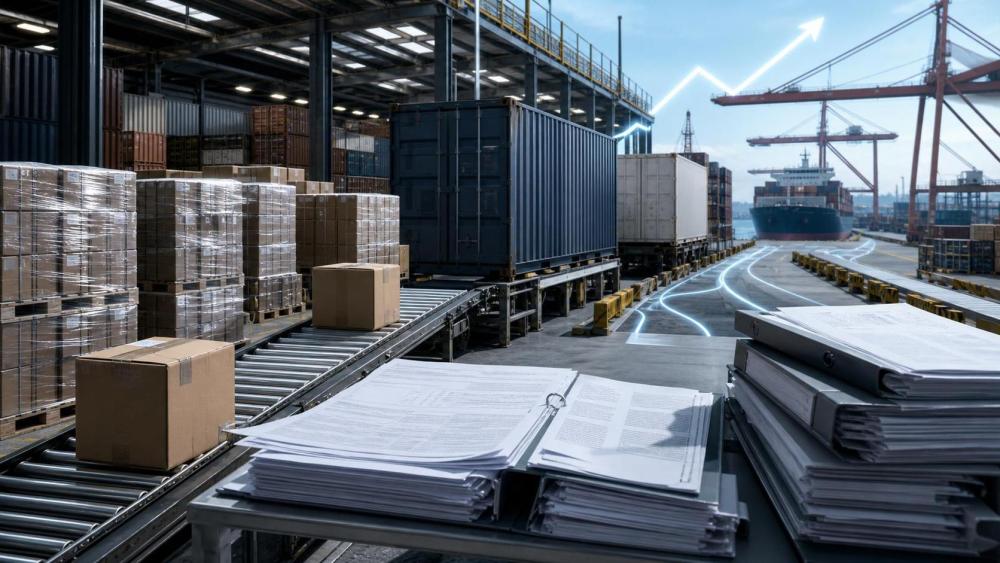
Heading into 2026, tariff barriers are no longer a distant policy variable.
They are becoming a direct cost driver across industrial inputs, components, equipment, and finished goods.
What looks like a modest duty change on paper can quickly expand into higher landed cost, slower approvals, and weaker margin visibility.
That shift matters because sourcing decisions are now being made in a market shaped by regulation, industrial policy, and geopolitical bargaining at the same time.
From recent trade signals, the sharper issue is not only tariff levels.
It is the growing unpredictability of where tariff barriers may appear next, how long they may last, and which sectors they may spill into.
This is why global supply chain planning is becoming less about chasing the lowest unit price and more about protecting continuity, compliance, and timing.
In that environment, the value of structured market intelligence rises.
GTIIN’s cross-sector monitoring model reflects this reality by linking trade policy, sourcing behavior, freight conditions, and industrial standards into one decision frame.
Why 2026 looks different from previous tariff cycles
Earlier tariff disputes were often treated as temporary friction.
The 2026 environment looks more structural.
Tariff barriers are increasingly tied to industrial security, local manufacturing support, decarbonization rules, and election-driven policy resets.
That combination creates a more persistent form of trade fragmentation.
A second difference is sector breadth.
Exposure is expanding beyond headline categories such as steel, electronics, and solar-related products.
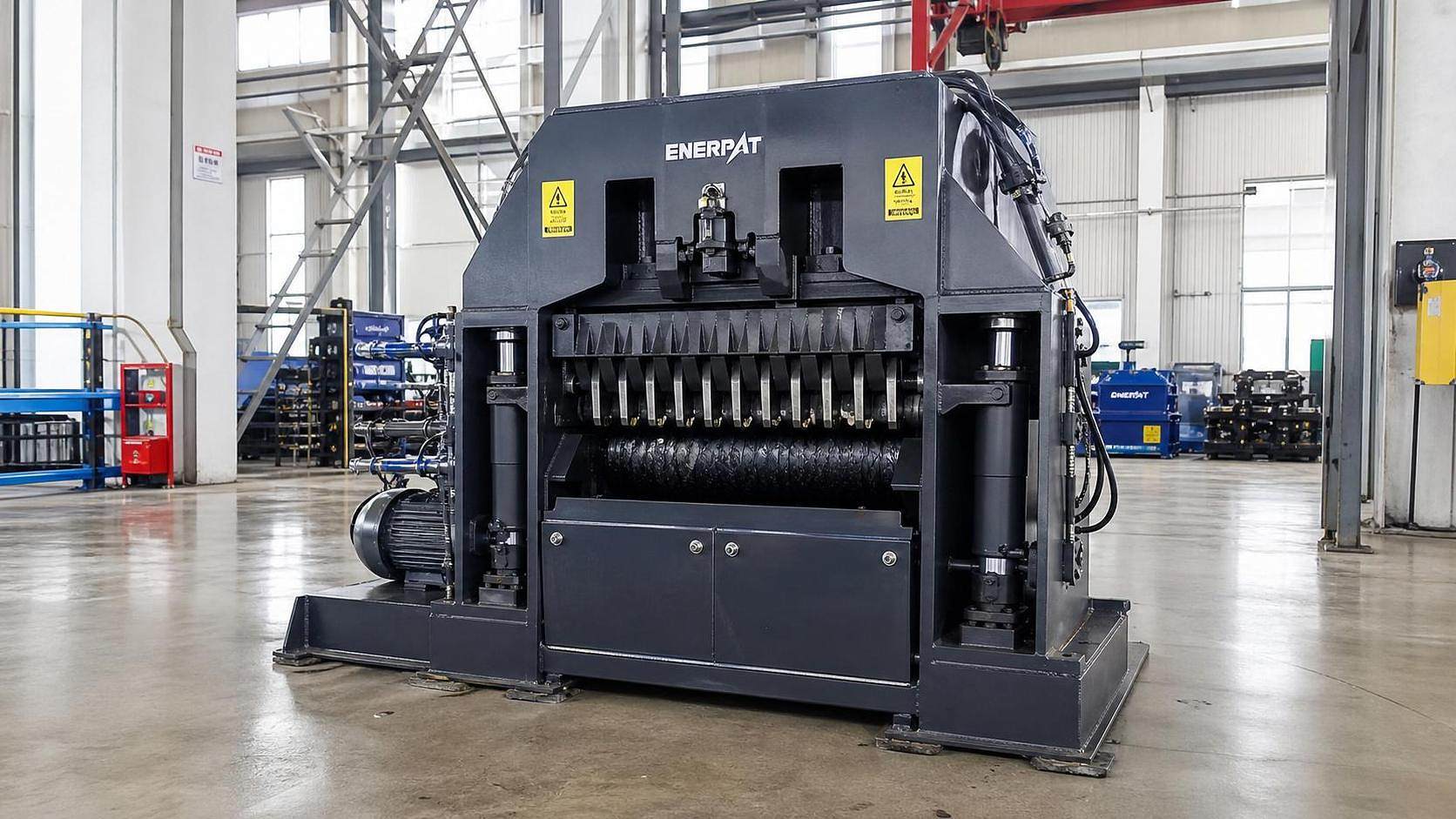
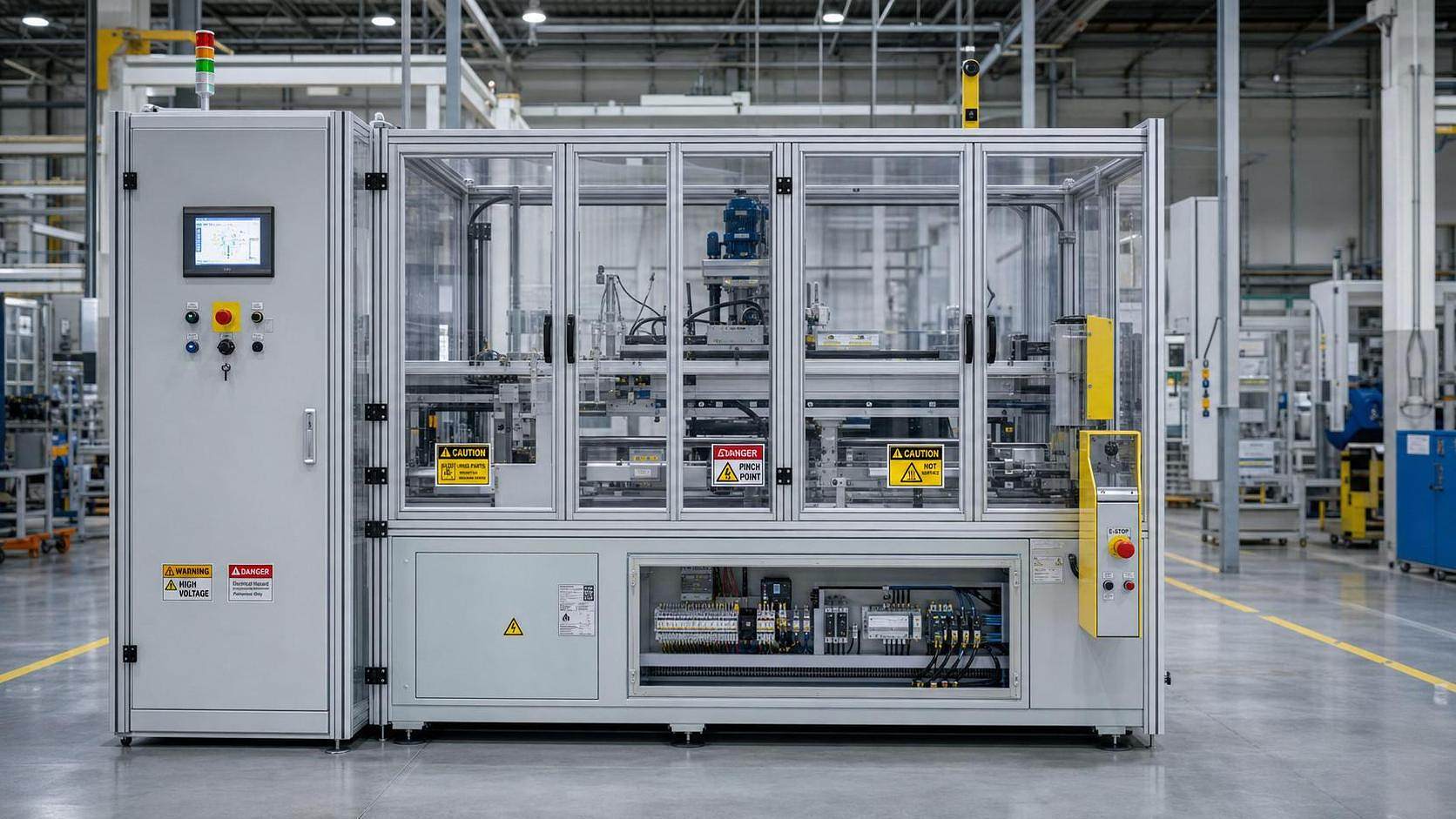
Industrial machinery, specialty chemicals, engineered materials, packaging inputs, and agricultural processing equipment are increasingly pulled into the same policy orbit.
More importantly, tariff barriers now interact with non-tariff pressures.
Carbon border rules, origin tracing, customs reviews, product safety updates, and sanctions screening can amplify the real commercial effect of a tariff move.
The result is a wider cost band and longer decision cycle.
The main forces pushing tariff risk higher
- Industrial policy is shifting from neutral trade promotion to selective domestic capacity protection.
- Geopolitical competition is widening from technology to raw materials, logistics nodes, and strategic manufacturing.
- Climate-related trade rules are creating overlap between tariff barriers and compliance cost.
- Customs enforcement is becoming more data-driven, making documentation errors more expensive.
- Regional trade blocs are rewarding localized sourcing while raising friction for external suppliers.
The cost impact is broader than duty rates alone
Many organizations still model tariff barriers as a single percentage increase.
In practice, the cost chain is much wider.
A new tariff can change supplier terms, inventory buffers, port routing, financing needs, and customer pricing strategy.
That is why landed cost planning for 2026 needs a more layered view.
This wider view changes how tariff barriers should be assessed.
The real question is not just what duty applies today.
It is how total operating exposure shifts across the next two to four quarters.
Sourcing shifts are becoming selective, not simply regional
One common assumption is that tariff barriers automatically push sourcing from one country to another.
Actual sourcing shifts are more selective.
In many categories, the move is not full relocation.
It is a layered redesign of supplier mix, production allocation, and origin strategy.
For higher-value components, quality consistency and engineering qualification still limit how fast supply can move.
For more standardized goods, tariff barriers can accelerate a shift toward Southeast Asia, India, Mexico, Eastern Europe, or dual-source structures.
Yet even diversified sourcing is not a simple cure.
Alternative supply bases may bring weaker infrastructure, thinner supplier depth, or new regulatory gaps.
That is where full-chain mapping becomes more useful than country-level assumptions.
GTIIN’s approach is relevant here because tariff barriers rarely act in isolation.
Material specifications, customs latency, freight rhythm, and local certification capacity often decide whether a sourcing shift is truly viable.
What a practical sourcing adjustment often includes
- Rebalancing volume between incumbent suppliers and qualified secondary sources
- Splitting component origin from final assembly location
- Renegotiating contracts around tariff pass-through and lead-time protection
- Reviewing HS classification and regional trade agreement eligibility
- Testing whether logistics savings can offset higher unit price elsewhere
The pressure does not fall evenly across the value chain
Tariff barriers affect upstream, midstream, and downstream activities in different ways.
Bulk materials face immediate price sensitivity.
Engineered products face qualification and substitution challenges.
Consumer-linked categories often feel the strongest pressure on pricing decisions and channel timing.
In industrial sectors, the biggest risk often appears where tariff barriers hit a narrow but essential input.
A small category can still halt output if it carries certification, tolerance, or safety-critical functions.
This is why single-line duty analysis tends to understate exposure.
A broader operational view usually reveals hidden bottlenecks.
More noticeably, tariff barriers are now influencing bid cycles and customer commitments.
When cost certainty falls, quotation windows shorten, contract buffers widen, and planning confidence weakens.
The most useful 2026 signals are early, granular, and cross-functional
Waiting for a formal tariff announcement is often too late.
The better signals usually appear earlier in customs behavior, legislative drafts, supplier communication, and freight booking patterns.
That means tariff barriers should be tracked as part of an early-warning system rather than a periodic policy review.
From a decision perspective, a few indicators matter more than headline commentary.
- Changes in customs scrutiny for specific HS codes or origin claims
- Supplier requests for shorter validity on quotations
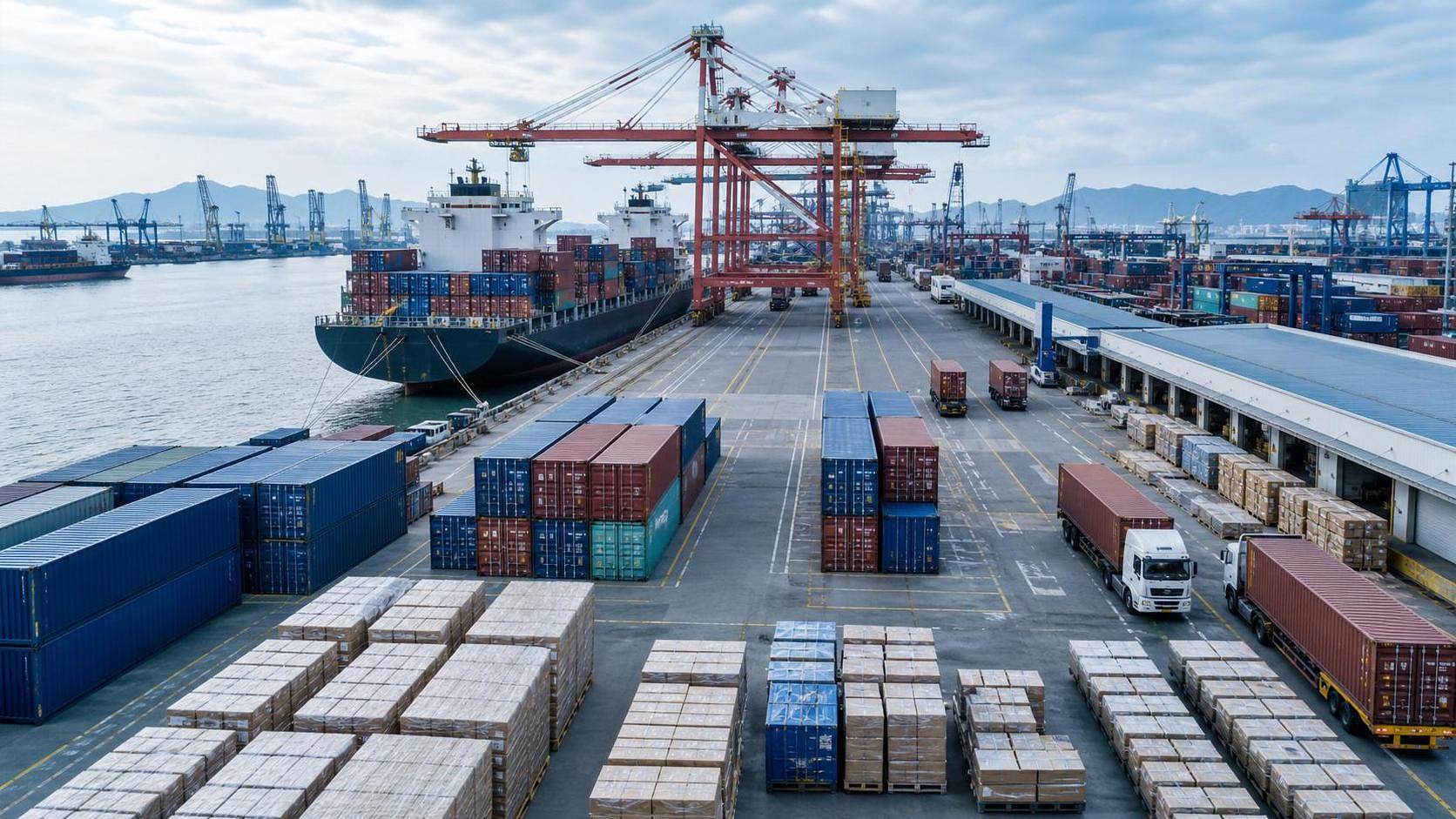
- Rising use of bonded inventory or front-loaded shipments
- Regional policy debates linking tariffs to industrial subsidies or emissions rules
- Widening spread between nominal product cost and true landed cost
These indicators become more powerful when viewed together.
That is one reason integrated intelligence platforms matter in a fragmented trade environment.
The strategic value lies in connecting macro policy shifts with shipment-level and category-level evidence.
What deserves attention before tariff barriers tighten further
The next phase is unlikely to reward reactive sourcing.
It will favor better visibility, faster scenario testing, and more disciplined exposure mapping.
A practical response starts with identifying where tariff barriers could create disproportionate disruption.
That usually includes concentrated supplier clusters, highly regulated inputs, and categories with slow qualification cycles.
It also helps to separate strategic inventory from defensive inventory.
Not every stock increase improves resilience.
In some cases, documentation accuracy, origin review, or contract redesign delivers more value than carrying more goods.
A second priority is scenario discipline.
Instead of building one forecast, it is more useful to test several tariff barriers cases across cost, lead time, and customer pricing impact.
The strongest organizations are already linking trade intelligence to sourcing governance, not treating it as a separate research exercise.
As 2026 approaches, the practical next step is clear.
Map the categories most exposed to tariff barriers, compare alternative origin options, and review whether current contracts, compliance data, and freight assumptions still hold.
In a market where policy shocks travel quickly through industrial networks, better decisions will come from earlier signals and sharper cross-border visibility.
Weekly Insights
Stay ahead with our curated technology reports delivered every Monday.
Recommended News
 Global SourcingJun 24, 2026Procuring Heavy Machinery: Global Sourcing Strategies for Used Tyre Cutters
 Global SourcingJun 23, 2026Cross-Border Logistics Delays: Common Causes and Fixes
 Industry StandardsJun 23, 2026Safety Standards Checklist for Industrial Equipment Compliance
 Supply ChainJun 23, 2026Industrial Packaging Choices That Cut Damage and Return Costs