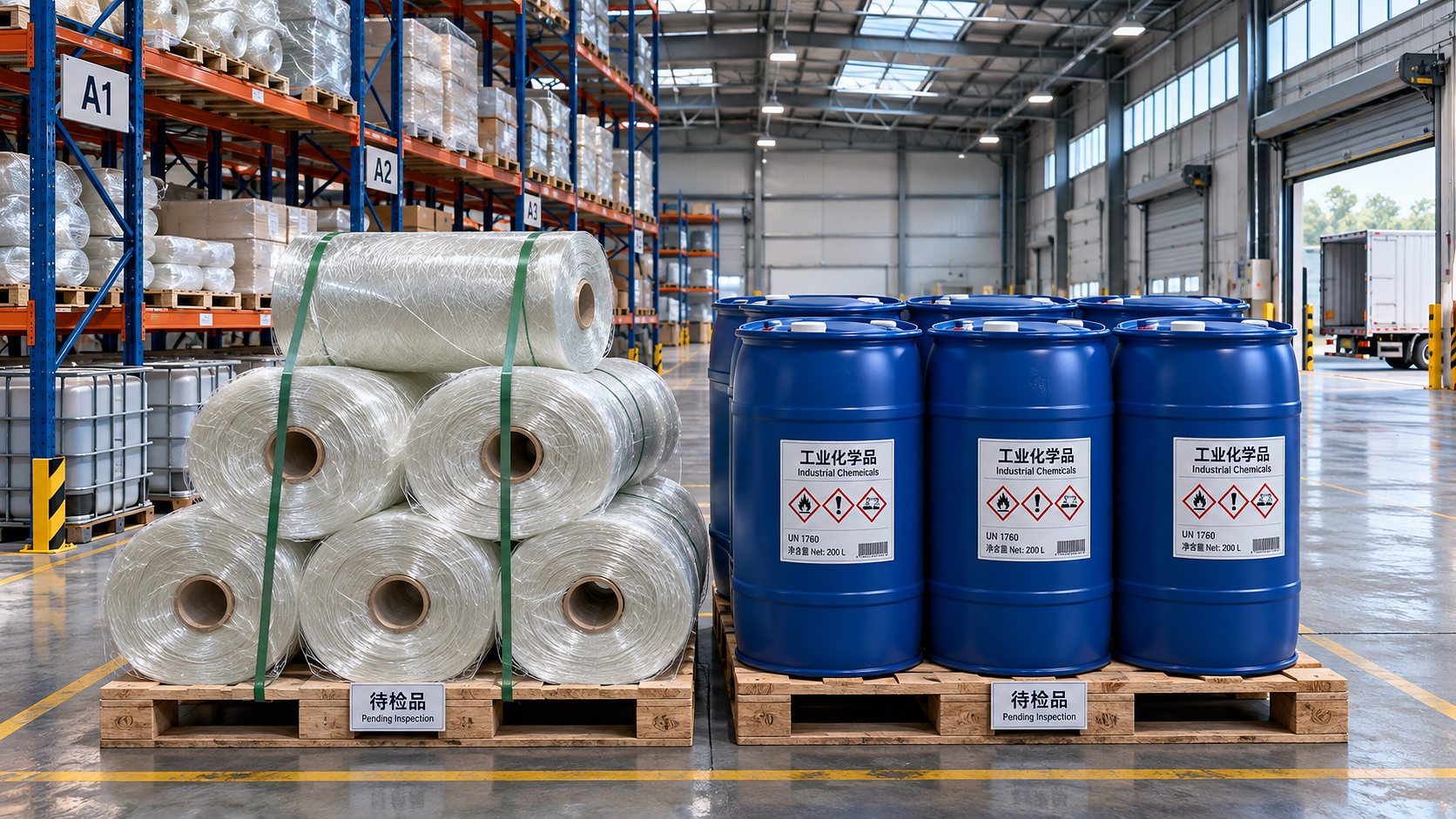
EU Opens Anti-Dumping Investigation Into Fiberglass and Chemical Imports
The European Commission opened a trade investigation on November 23, 2026, into imports of fiberglass and certain chemicals. The investigation concerns exports from several Asian economies and Turkey and could lead to anti-dumping duties on the products covered.
The stated aim is to protect European manufacturers from unfair trade practices. For suppliers and buyers, the immediate distinction is between the opening of an investigation and the imposition of a duty: the action has begun, but a tariff is a possible outcome, not an announced result.

What the investigation means for trade
An anti-dumping investigation examines concerns about import pricing and its effects on domestic producers. Its opening signals that the trade in the products concerned will face scrutiny; it does not, by itself, establish that every fiberglass or chemical import is affected, or that a duty will follow.
The practical reach of the investigation will depend on which products and exporting economies fall within its scope and on the outcome of the proceedings. Fiberglass and chemicals are broad product categories, so businesses that trade in them will need the specific product descriptions before drawing conclusions about individual shipments.
For European manufacturers, the investigation offers a route through which concerns about competing imports can be examined. Any effect on their competitive position would depend on the findings and any measures ultimately adopted. For exporters in the economies concerned, the central question is whether their products are covered and whether future duties would affect their access to the European market.
Where effects could emerge
Purchasing and sales arrangements are among the areas where uncertainty could first matter. A buyer considering a supply agreement that extends into a period when duties might apply may need to consider how an added import cost would be handled. Suppliers, meanwhile, may face questions from customers about product coverage and the potential effect on future pricing.
That does not mean import prices have already changed. Even if duties are imposed, their effect on a particular transaction would depend on the products covered, the terms of the sale and how any additional cost is shared. The investigation alone does not establish the size of a future duty or its effect on a given purchase.
Downstream businesses that use the affected materials could also be exposed indirectly if their suppliers face higher costs. The extent of any pass-through would depend on commercial arrangements and the availability of alternatives. Businesses outside the eventual product scope may see a different effect, or none at all.
What to follow as the case develops
The most useful developments to watch are the official descriptions of the products and exports under investigation, followed by any findings and decisions on trade measures. Those details will determine whether a particular supplier or buyer is directly affected and whether the potential cost changes discussed at the start of the case become actual obligations.
For now, the clear development is the start of an investigation into specified fiberglass and chemical imports. Its commercial consequences remain conditional on the scope and outcome of the proceedings.
Have questions about this sector analysis, or seeking best practices specific to your niche? Drop us a line below and let the senior consultants at GTIIN assist you.
“We respect your privacy. Your information is strictly confidential.”
Tags
Weekly Insights
Stay ahead with our curated technology reports delivered every Monday.
Recommended News
 Supply ChainNov 24, 2026Maersk Orders 12 Large Container Ships for Delivery in 2030 and 2031
 Industry StandardsNov 24, 2026EU Opens Anti-Dumping Investigation Into Fiberglass and Chemical Imports
 Supply ChainNov 24, 2026Mexico and China Agree to Establish Joint Working Group on Bilateral Trade
 Supply ChainNov 24, 2026How to build a supply chain disruption management framework