Procurement Strategy for Manufacturers: Cost Risks to Watch
Procurement Strategy for Manufacturers: Cost Risks to Watch
For many manufacturers, procurement used to focus on one question: can we buy cheaper?
That question still matters, but it is no longer enough.
A modern procurement strategy for manufacturers must protect margins from hidden cost pressure, not just negotiate lower purchase prices.
Freight swings, tariff changes, weak supplier diversification, and excess inventory can quietly erase expected savings.
From a finance perspective, the real risk often sits outside the quoted unit cost.
That is why a resilient procurement strategy for manufacturers should connect sourcing decisions with working capital, compliance exposure, and operational continuity.
In practice, the strongest teams watch total landed cost, not just supplier price sheets.
They also monitor early signals that suggest cost volatility is building before it appears in monthly financial results.
Why Cost Risk Has Become Harder to Manage
Global manufacturing networks are more connected, but also more fragile.
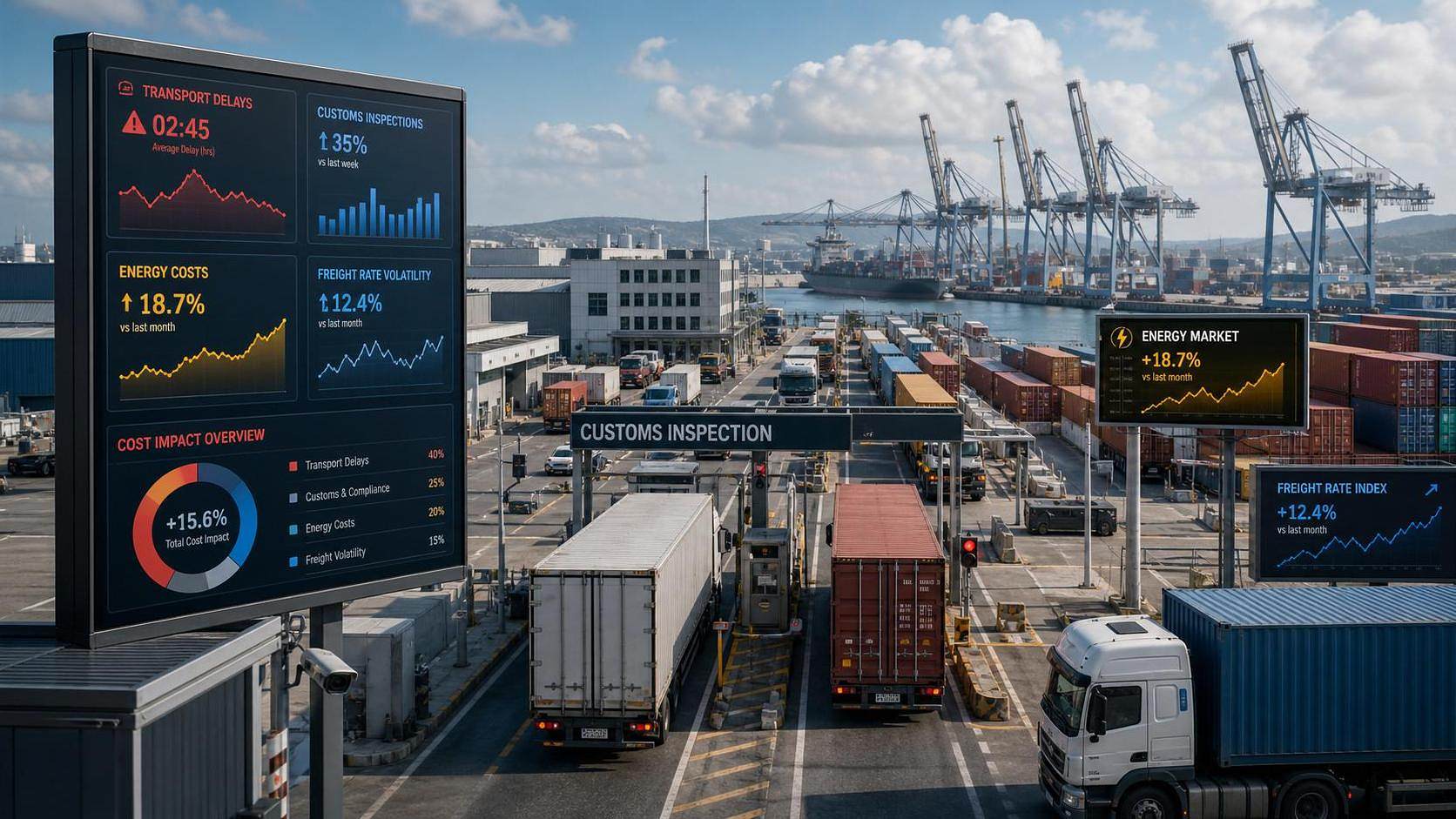
A delay at one port, one customs checkpoint, or one tier-two supplier can affect several production lines.
This also means procurement strategy for manufacturers now requires broader visibility across logistics, regulation, and supplier health.
Recent market shifts show a clear pattern.
Input prices may soften, while transportation, energy, insurance, or compliance costs move in the opposite direction.
That mismatch creates budgeting gaps and weakens forecast accuracy.
A practical procurement strategy for manufacturers should therefore treat cost control as a cross-functional discipline.
The Hidden Cost Risks Worth Watching
1. Supplier Concentration Risk
Single-source efficiency can look attractive on paper.
However, it often creates pricing leverage for suppliers and raises disruption costs during shortages, labor disputes, or regional instability.
A strong procurement strategy for manufacturers includes backup capacity, even when the secondary source is slightly more expensive.
2. Freight and Routing Volatility
Ocean freight rates do not move in a straight line.
Route congestion, container imbalance, fuel surcharges, and geopolitical rerouting can raise landed cost very quickly.
This is where procurement strategy for manufacturers must align tightly with logistics planning and order timing.
3. Compliance and Tariff Exposure
Trade policy is now a live cost factor.
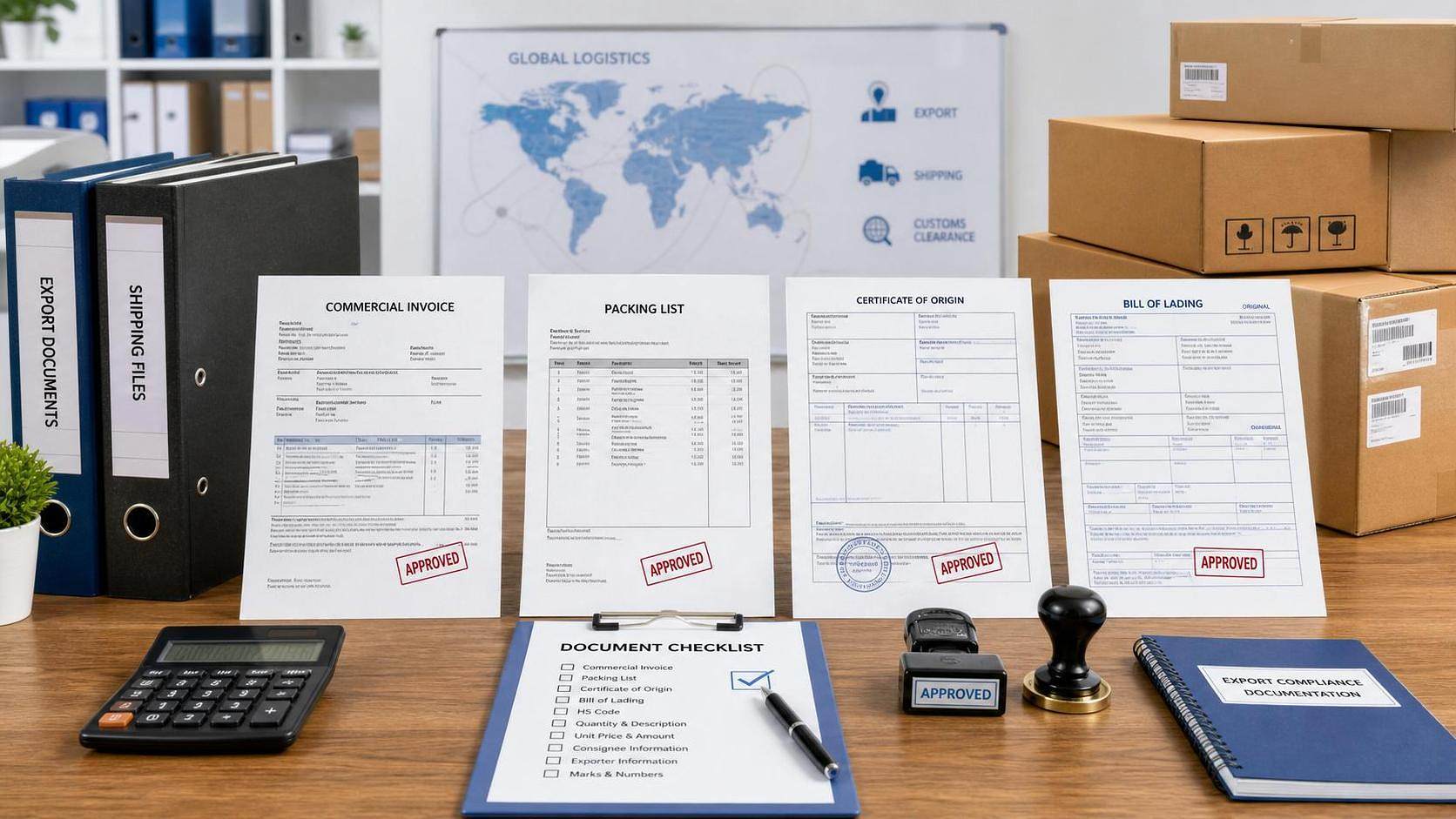
Tariffs, anti-dumping measures, local content rules, and ESG-related reporting obligations can add cost without changing the invoice price.
A better procurement strategy for manufacturers includes scenario planning for regulatory shifts, especially on cross-border categories.
4. Inventory Carrying Cost
Buying ahead can protect supply, but it can also tie up cash.
Storage, financing, obsolescence, and quality deterioration all turn excess stock into a margin risk.
An effective procurement strategy for manufacturers balances resilience with working capital discipline.
5. Quality Failure Costs
Low-cost sourcing can become high-cost very fast when defect rates increase.
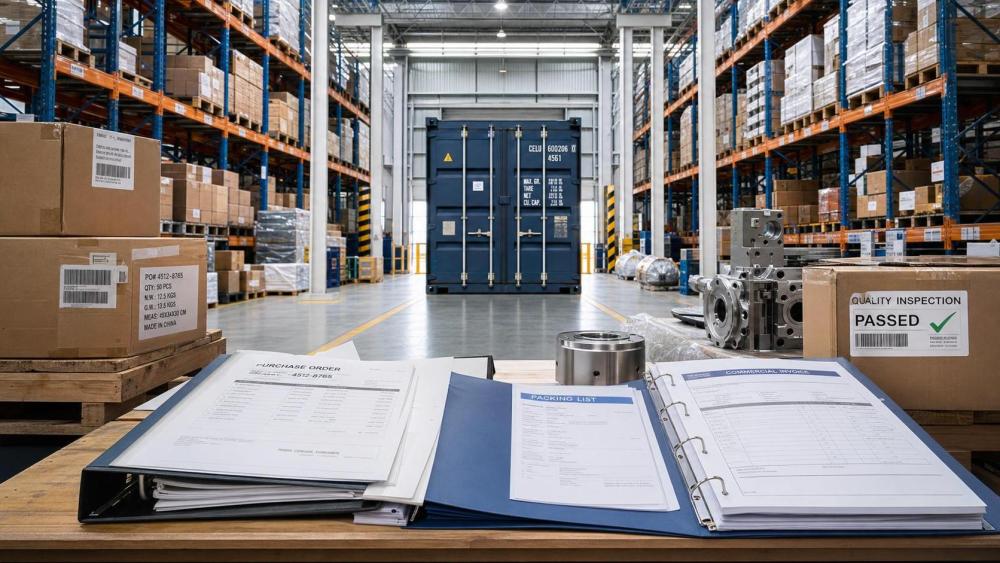
Scrap, rework, warranty claims, and line stoppages often cost far more than the original savings.
That is why procurement strategy for manufacturers should include measurable supplier quality performance, not just price scorecards.
How to Build a Smarter Procurement Strategy for Manufacturers
The good news is that most hidden cost risks are manageable when teams use the right operating signals.
The goal is not to eliminate risk completely.
The goal is to detect it early, price it correctly, and respond before it damages margins.
- Track total landed cost by supplier, route, and product family.
- Set risk thresholds for freight spikes, lead-time drift, and customs delays.
- Use dual sourcing for strategically sensitive inputs.
- Review tariff codes and compliance obligations before contract renewal.
- Link purchasing decisions to inventory turns and cash conversion goals.
- Score suppliers on quality, responsiveness, and financial stability.
This approach makes procurement strategy for manufacturers more practical and easier to defend in budget reviews.
It also helps decision-makers compare trade-offs more clearly.
Sometimes the lowest quote is still the right choice.
But sometimes a slightly higher purchase cost prevents a much larger downstream loss.
Key Warning Signs in Supplier and Sourcing Data
In day-to-day operations, cost risks rarely appear as dramatic events first.
They usually begin as small data changes that are easy to ignore.
- Repeated lead-time extensions from the same region.
- Freight quotes that expire faster than normal.
- Higher minimum order quantities from key suppliers.
- More frequent requests for prepayment or shorter payment terms.
- Rising defect claims after material substitutions.
- New customs documentation issues on established lanes.
These signals matter because they often point to deeper instability inside the supply chain.
A responsive procurement strategy for manufacturers turns those weak signals into early action.
A Simple Decision Framework for Cost Control
When cost pressure rises, teams need a framework that is simple enough to use quickly.
This kind of view keeps procurement strategy for manufacturers tied to measurable business outcomes.
It also improves communication between procurement, operations, and finance teams.
Where Market Intelligence Makes the Biggest Difference
A procurement strategy for manufacturers becomes stronger when decisions are supported by timely market intelligence.
This includes export trend tracking, freight benchmarks, regional policy changes, and supplier-side capacity signals.
That is where platforms like GTIIN add practical value.
By connecting sourcing intelligence with supply chain resilience analysis, teams can spot risk earlier and defend procurement choices with stronger evidence.
In real business settings, better visibility often matters more than perfect prediction.
If you can see cost pressure building, you have more room to renegotiate, rebalance, or re-source.
Final Takeaway
The best procurement strategy for manufacturers is not the one with the lowest headline cost.
It is the one that sees cost risk in full context.
That means watching supplier concentration, freight shifts, compliance exposure, inventory drag, and quality failure costs at the same time.
As global trade becomes less predictable, disciplined procurement becomes a strategic margin protection tool.
Manufacturers that act early usually gain more pricing control, better continuity, and stronger financial resilience.
The next smart move is to review whether your current procurement strategy for manufacturers measures the risks that actually drive total cost.
Weekly Insights
Stay ahead with our curated technology reports delivered every Monday.
Recommended News
 Market TrendsJun 26, 2026Supply Chain Analytics Europe: Cost Risks to Watch
 Supply ChainJun 26, 2026Export Documentation Mistakes That Delay Shipments
 Global SourcingJun 26, 2026Factory Automation Systems Design for Lower Downtime
 Industry StandardsJun 26, 2026Materials Testing Supplier Selection Checklist