Navigating Global Agricultural Supply Chains: Sourcing Strategies for Battery Cages
As the global agricultural sector rapidly industrializes to meet the escalating international demand for dietary protein, commercial egg and poultry production facilities are undergoing massive structural expansions. Transitioning a regional farming operation into a highly profitable, globally competitive enterprise requires a fundamental upgrade in rearing infrastructure. For many developing and mid-sized commercial operations, acquiring robust containment systems remains the most economically viable and operationally reliable method for achieving high-density flock management.
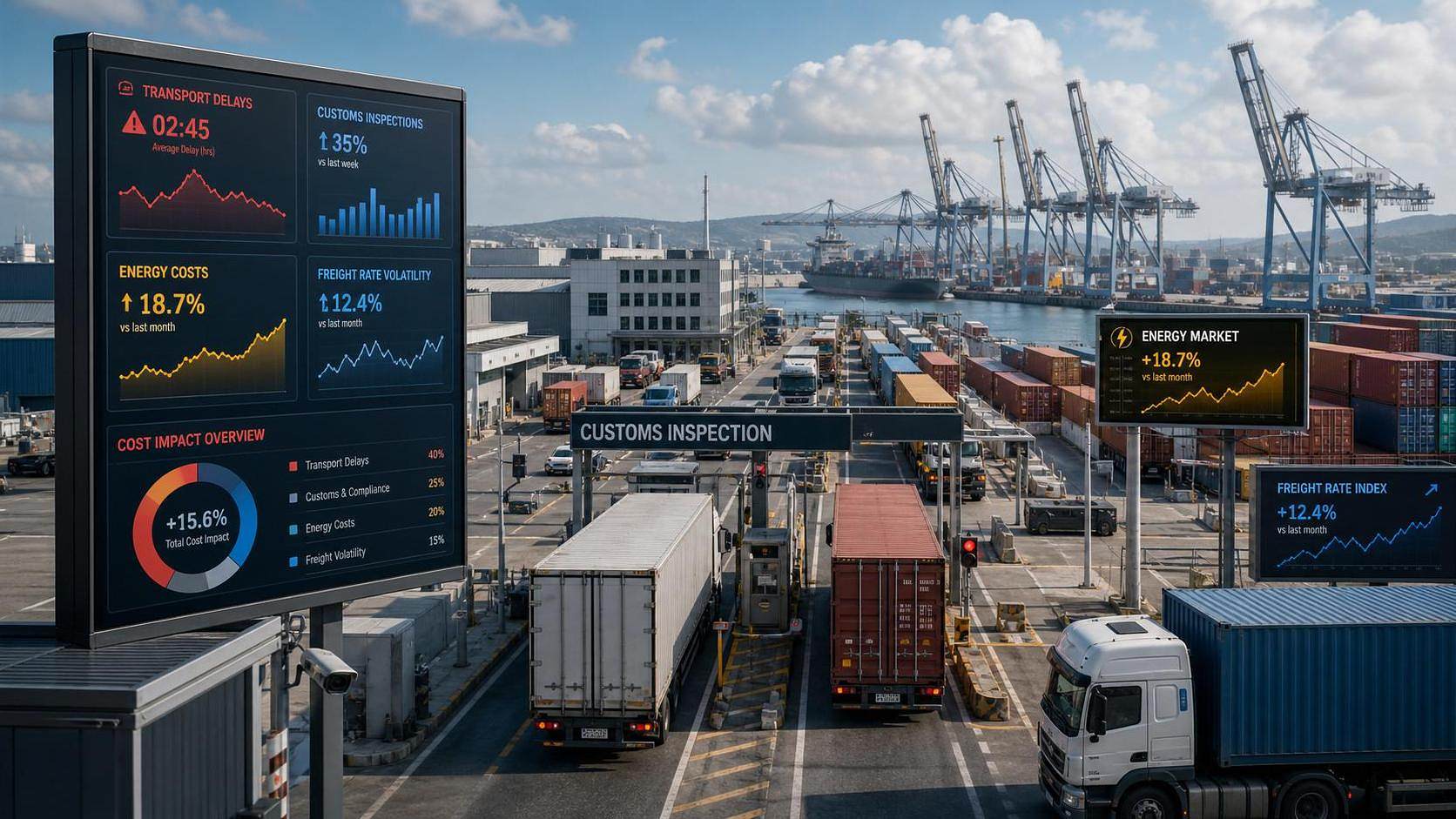
However, establishing a multi-tier, commercial-grade facility is a highly capital-intensive endeavor. The sheer volume of galvanized steel, automated feeding mechanisms, and mechanized manure removal systems required for a 50,000-bird barn necessitates international procurement. Sourcing these massive agricultural assets from overseas manufacturers introduces a complex web of logistical hurdles, volatile freight markets, and severe vendor quality risks. This comprehensive supply chain intelligence report dissects the macro-procurement strategies required for Chief Procurement Officers (CPOs) and farm directors to safely, cost-effectively, and reliably source commercial rearing infrastructure on the global market.
Navigating Information Asymmetry in International Sourcing
The most profound challenge in global agricultural procurement is the inherent information asymmetry between the domestic buyer and the overseas manufacturer. In the digital age, a sophisticated B2B marketplace profile or a highly polished website does not guarantee world-class metallurgical engineering capabilities. Many farm directors fall into the costly trap of negotiating with international trading companies (middlemen) who pose as direct manufacturers, thereby inflating the final purchase price and entirely muddying the lines of warranty liability and post-sales technical support.
To circumvent this critical risk, sophisticated procurement teams must implement rigorous, multi-tiered Vendor Quality Assurance (VQA) protocols before ever issuing an irrevocable Letter of Credit (L/C) or transferring an initial down payment. If physical travel to the primary manufacturing hubs is logistically impossible, buyers must employ certified, independent third-party engineering inspectors to conduct comprehensive on-site factory audits.
These auditors are tasked with verifying the manufacturer’s actual production capacity, scrutinizing their raw material supply chain (specifically ensuring the use of certified high-tensile steel wire), and confirming the presence of advanced fabrication tools, such as automated spot-welding robotics and dedicated hot-dip galvanization pools. Bypassing this crucial due diligence phase significantly increases the risk of receiving sub-standard equipment that will rapidly corrode and structurally collapse under the kinetic stress of a commercial flock.
Evaluating Metallurgical Specifications and Anti-Corrosion Standards
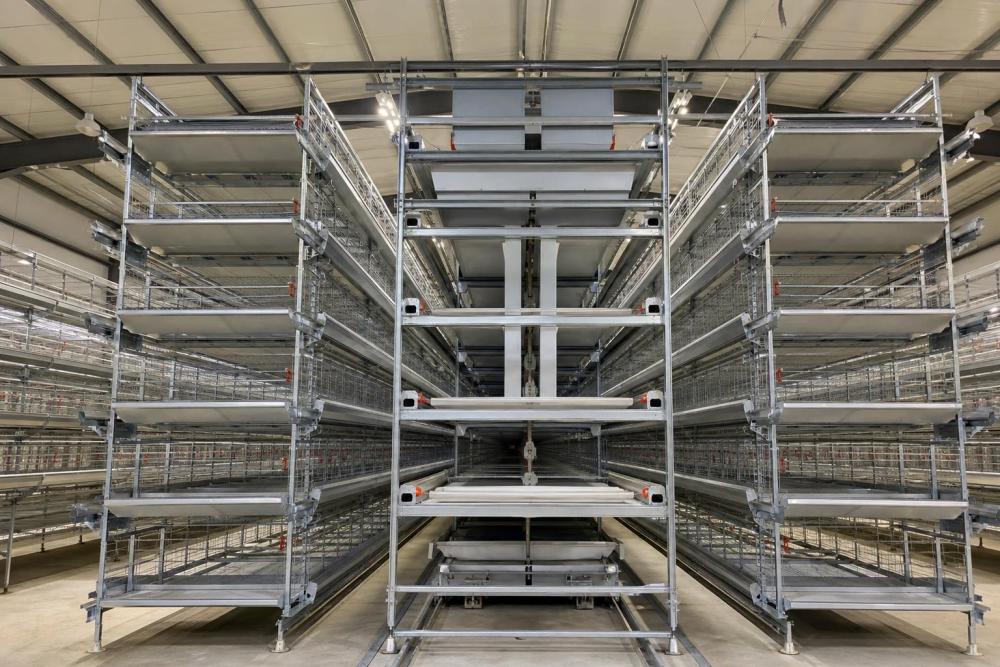
In the highly acidic, ammonia-rich microclimate of a commercial layer barn, the absolute metallurgical quality of the steel framework is the primary determinant of the asset's Total Cost of Ownership (TCO). When a global sourcing team issues a purchase order for a commercial battery cage system, they must demand comprehensive, verifiable documentation regarding the anti-corrosion treatments applied to the steel.
The industry standard for commercial longevity mandates the use of hot-dip galvanization. This high-heat metallurgical process bonds a thick, self-healing layer of zinc directly into the steel matrix, creating a robust shield against rust and chemical degradation. Procurement specifications must explicitly detail the required zinc coating mass—often mandated to exceed 275 grams per square meter for heavy-duty applications.
Overseas vendors offering heavily discounted FOB (Free On Board) prices frequently utilize inferior cold-galvanization (electroplating) techniques. While these products may initially appear identical, the thin electroplated zinc layer will rapidly degrade within the first 24 to 36 months of operation. Procuring equipment with inferior anti-corrosion protection will rapidly erode any initial CAPEX savings through excessive structural maintenance, increased flock mortality due to broken wire injuries, and the eventual catastrophic collapse of the vertical tiers.
Incoterms Strategy: Evaluating FOB versus CIF Risks
Once a reliable, certified manufacturing partner is verified, negotiating the correct International Commercial Terms (Incoterms) is the next critical risk-management decision. A common procurement fallacy among inexperienced farm directors is defaulting to CIF (Cost, Insurance, and Freight), assuming that shifting the entire logistical burden of international shipping to the overseas seller is the safest and most convenient route.
Under a CIF agreement, the overseas manufacturer controls the freight forwarder selection and the marine insurance policy. While convenient, the buyer sacrifices all visibility and control over the actual transit routing and true shipping costs. Overseas manufacturers may arbitrarily inflate the freight line item to pad their profit margins or select the cheapest, most unreliable ocean carrier, severely increasing the risk of transshipment delays and port congestion.
For massive agricultural infrastructure shipments, negotiating under FOB (Free On Board) or EXW (Ex Works) terms is strongly preferred by global sourcing experts. Under FOB, the buyer assumes total control of the cargo once it is safely loaded onto the maritime vessel at the port of origin. This strategic pivot allows the buyer to leverage their own thoroughly vetted, specialized freight forwarders. It provides absolute transparency in oceanic shipping costs, superior GPS tracking capabilities, and the ability to negotiate robust marine insurance policies specifically tailored to cover high-value steel assets during turbulent ocean transit.
Managing Freight Logistics for Heavy Agricultural Assets
Standard consumer goods and packaged raw materials are easily palletized and loaded into standard 20-foot (TEU) shipping containers. However, the steel mesh panels, automated feeding troughs, and massive support legs of a commercial rearing system represent high-density, heavy-weight cargo.
Logistics teams must optimize the container loading architecture to maximize spatial efficiency and minimize "dead freight" (shipping empty air). Manufacturers must provide detailed 3D CAD loading plans demonstrating how the flat-packed mesh panels and structural supports will be nested within a 40-foot High Cube (HC) container.
Furthermore, procurement directors must account for the extreme weight limitations imposed by international maritime law and domestic inland trucking regulations. A fully loaded 40-foot HC container packed with dense steel wire mesh can easily approach the maximum legal payload limits (often capped around 26 to 28 metric tons). Exceeding these weight limits will result in the cargo being rejected by the port authority, triggering massive repacking fees and devastating delays in the facility construction schedule.
Import Tariffs and Customs Compliance
The final operational hurdle in the global sourcing lifecycle is navigating the complex, highly bureaucratic web of international customs regulations and geopolitical tariff barriers. Heavy agricultural equipment manufactured from refined steel wire is heavily scrutinized by customs authorities worldwide.
Global sourcing directors must work in lockstep with licensed, domestic customs brokers long before the maritime vessel arrives at the destination port. The equipment must be classified under the precisely correct Harmonized System (HS) codes for agricultural machinery. Misclassification can lead to severe financial penalties, the cargo being indefinitely impounded, or the application of punitive anti-dumping duties.
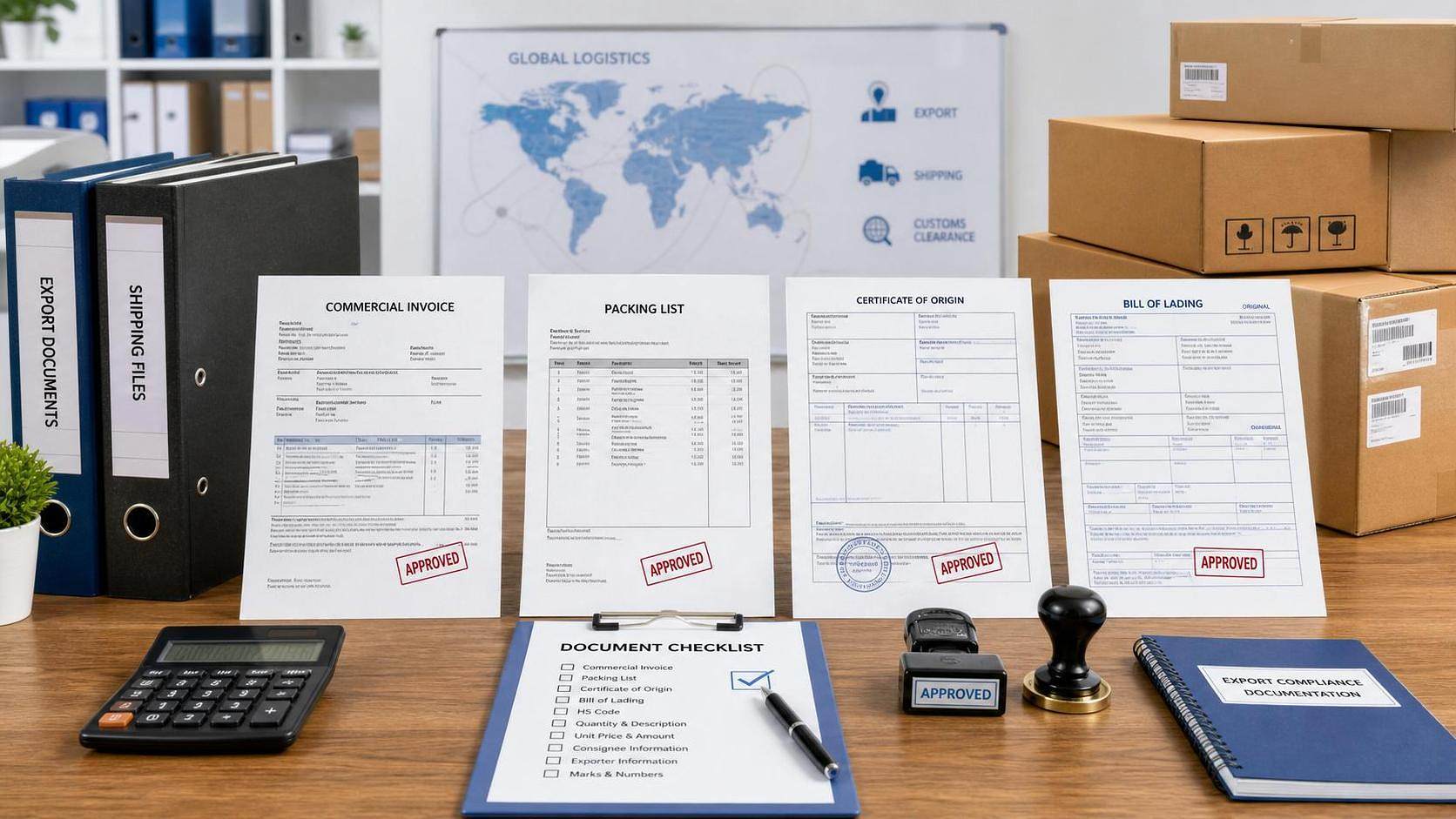
Furthermore, compliance documentation must be absolutely flawless. This includes detailed commercial invoices outlining the precise metallurgical breakdown of the machinery, comprehensive packing lists that accurately reflect the container payload, and authenticated Certificates of Origin. Any discrepancy between the physical cargo sitting on the port terminal dock and the submitted digital paperwork will trigger immediate holds by customs agents, rapidly accumulating daily demurrage and detention fees that can easily wipe out the profit margins of the entire procurement project.
Conclusion
Successfully sourcing heavy-duty, commercial-grade avian infrastructure on a global scale demands a sophisticated blend of supply chain agility, metallurgical knowledge, and rigorous financial risk management. It is a highly strategic, multi-disciplinary process that extends far beyond the basic transactional negotiation of a factory purchase price.
By proactively dismantling information asymmetry through strict third-party factory audits, intelligently leveraging FOB Incoterms for maximum logistical visibility, and flawlessly executing customs compliance protocols, procurement directors can transform international sourcing from a high-risk gamble into a distinct corporate competitive advantage. In the rapidly expanding, capital-intensive arena of global commercial agriculture, mastering these global sourcing strategies is the definitive key to securing reliable infrastructure, maximizing flock welfare, and unlocking long-term operational profitability.
Weekly Insights
Stay ahead with our curated technology reports delivered every Monday.
Recommended News
 Market TrendsJun 26, 2026Supply Chain Analytics Europe: Cost Risks to Watch
 Supply ChainJun 26, 2026Export Documentation Mistakes That Delay Shipments
 Global SourcingJun 26, 2026Factory Automation Systems Design for Lower Downtime
 Industry StandardsJun 26, 2026Materials Testing Supplier Selection Checklist