
U.S. and Canada Impose Up to 50% Tariffs, Raising North American Auto Supply Chain Costs
On August 24, 2026, Trump announced that a 50% tariff on Canadian imports of automobiles, trucks, parts, and steel would take effect on January 1, 2027. Canada announced retaliatory tariffs of 15% to 50% on more than 700 U.S. products valued at C$27.6 billion. For automotive businesses operating across the deeply integrated manufacturing processes established under the USMCA, the announced measures warrant close attention because components may cross the border multiple times before final assembly.
Tariff Measures Announced for January 2027
The announced U.S. measure would apply a 50% tariff to Canadian automobiles, trucks, automotive parts, and steel starting January 1, 2027. On the same day as the announcement, Canada stated that it would impose retaliatory tariffs ranging from 15% to 50% on more than 700 U.S. goods, with a stated value of C$27.6 billion, approximately US$20 billion.
The announcement followed a breakdown in negotiations between the two sides. The measures directly concern cross-border manufacturing flows that are closely integrated under the USMCA, particularly where automotive components move repeatedly between the United States and Canada during production.
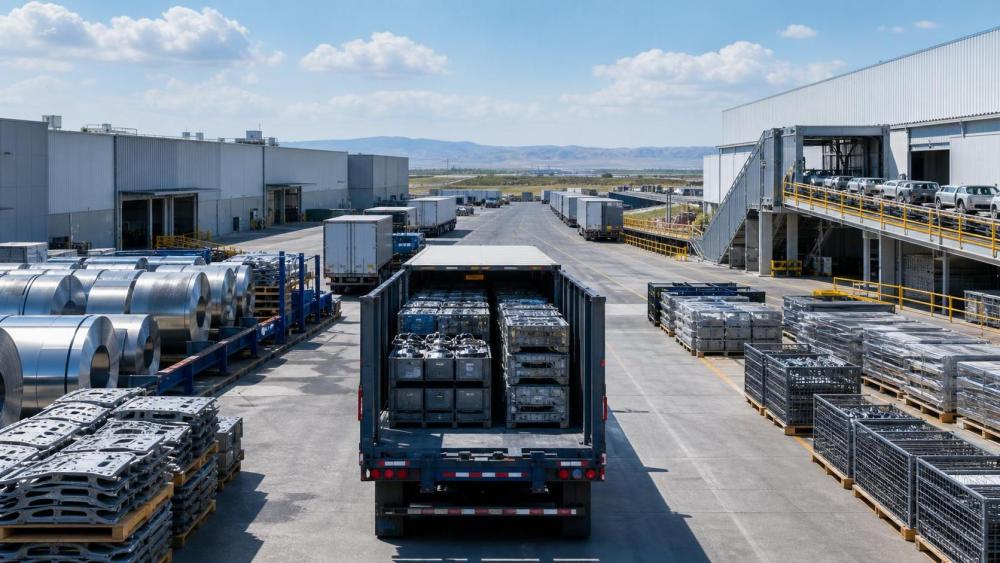
Where Cross-Border Automotive Operations May Face Pressure
Parts movement and customs exposure
Analysis suggests that suppliers and direct trading companies handling parts that move across the border more than once may face greater cost uncertainty. Each relevant movement may require closer review of product classification, origin documentation, customs declarations, commercial invoices, and the applicable tariff treatment once implementation details become available.
Manufacturing schedules and sourcing decisions
For vehicle manufacturers, parts processors, and steel purchasers, the main potential impact may lie in procurement planning and production sequencing. Where Canadian inputs, U.S. goods subject to Canadian retaliation, or cross-border processing steps are involved, businesses may need to reassess landed-cost assumptions, supplier arrangements, production timing, and delivery commitments.
Distribution and downstream delivery commitments
From an industry perspective, distributors, logistics providers, and buyers may need to monitor whether tariff costs are reflected in contracts, quotations, inventory arrangements, and delivery schedules. The event summary indicates that repeated cross-border movement could raise final prices and delivery uncertainty; the scale and allocation of that effect will depend on subsequent implementation and commercial responses.
Practical Checks Before the Effective Date
Map goods and border crossings
Companies with North American automotive or steel supply links may consider identifying the relevant vehicles, parts, and materials in their purchasing and sales flows. A practical review can include where goods are sourced, how often they cross the border, which processing stages occur in each location, and which shipments may fall within the announced categories.
Review documentation and origin support
Businesses may need to verify that customs, origin, technical, and supplier records are complete and consistent with actual product flows. The announcement does not provide detailed implementation rules, so this should be treated as a preparation measure rather than as confirmation of a final documentary requirement.
Reassess prices, contracts, and lead times
Purchasing teams, exporters, and supply-chain service providers may wish to test how potential tariff exposure affects quotations, contract terms, order timing, inventory levels, and delivery commitments. Particular attention may be warranted for components that return across the border after processing or assembly.
Follow official implementation language
Companies should continue to monitor official statements, customs and trade authority information, and any subsequent clarification on product scope, tariff treatment, timing, or operational procedures. The supplied information confirms the announced effective date but does not provide detailed execution guidance.
Why This Is More Than a Single Trade Cost Issue
At this stage, this is best understood as an announced and dated trade-rule change with potentially broad operational implications, rather than as a fully described implementation framework. The confirmed tariff announcements create a clear planning signal for businesses connected to U.S.-Canada automotive, parts, and steel flows. However, analysis of actual cost allocation, customs treatment, and delivery disruption remains contingent on details that are not included in the available information.
What deserves closer attention is whether later official guidance clarifies the covered goods, treatment of goods that cross the border repeatedly, documentary expectations, and practical customs procedures. Market responses by suppliers, buyers, logistics providers, and manufacturers may also shape how the announced tariffs affect commercial arrangements.
A Rule Change That Requires Supply-Chain-Level Review
The January 1, 2027 effective date gives affected automotive and steel businesses a defined point for reviewing exposure. The central issue is not only the announced tariff rate, but also how it may interact with cross-border production steps under an integrated North American manufacturing model. A measured response is to distinguish confirmed measures from unresolved execution details, review relevant product and trade flows, and keep procurement and delivery assumptions under active review as further information emerges.
Basis for This Article and Items Still to Be Verified
This article is based on the user-provided news title, event dates, and event summary. Specific official source links were not provided in the input and should continue to be verified.
For developments of this kind, relevant information may typically include official announcements, regulatory releases, customs or trade authority information, industry association updates, standards organization documents, and authoritative media reporting. Subsequent monitoring should focus on policy details, tariff execution practices, any certification or documentation interpretations, changes in procurement or tender documents, trade implementation, industry feedback, and company-level operational responses.
Tags
Weekly Insights
Stay ahead with our curated technology reports delivered every Monday.
Recommended News
 Supply ChainOct 10, 2026How an industrial relocation strategy assessment reduces supply chain risk
 Global SourcingOct 09, 2026What to look for in a customs compliance management system
 Market TrendsOct 08, 2026What the global manufacturing outlook means for exporters' order planning
 Industry StandardsOct 11, 2026Declaration of Conformity Testing: Evidence Needed Before Product Market Entry