
Industrial Packaging Choices That Cut Damage and Return Costs
Industrial Packaging Choices That Cut Damage and Return Costs
For procurement teams, industrial packaging is no longer just a shipping detail—it is a direct lever for reducing product damage, return costs, and supply chain risk.
The right packaging choice improves load stability, protects goods across global routes, and supports tighter cost control.
This guide looks at practical industrial packaging decisions that help buyers balance protection, compliance, and long-term value.
Why Industrial Packaging Has Become a Cost Control Issue
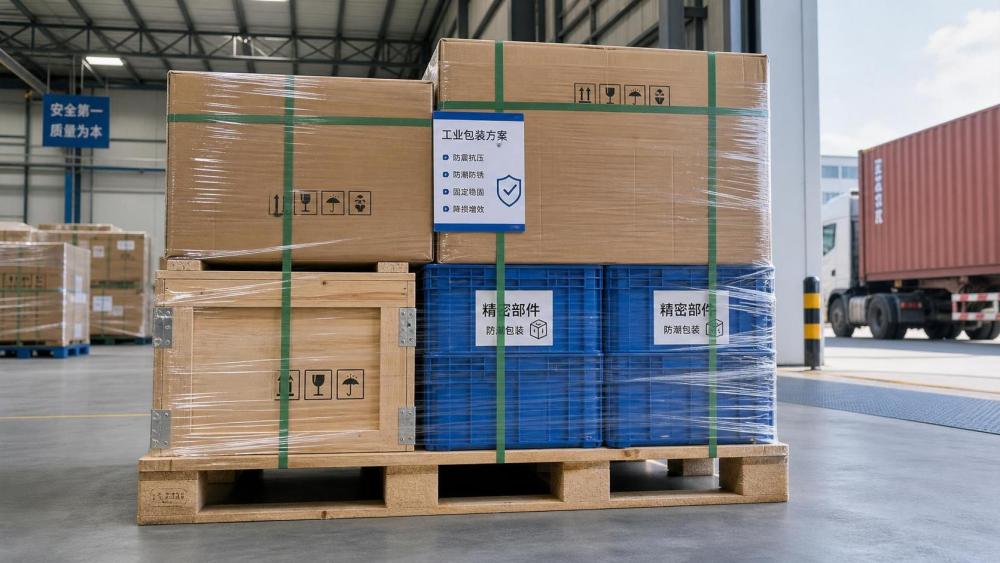
Damage costs rarely stop at the damaged item.
They often include reverse logistics, inspection time, replacement production, customer credits, and lost delivery windows.
That is why industrial packaging now sits inside total landed cost discussions.
In global trade, handling conditions are not consistent.
Cargo may face port delays, humidity swings, multiple transfers, rough forklift contact, and long storage periods.
A low-cost packaging format can quickly become expensive when it fails under real transit stress.
From a procurement perspective, the smarter question is not, “What is the cheapest pack?”
It is, “What industrial packaging gives the lowest combined cost of protection, handling, compliance, and returns?”
Start With the Real Risk Profile of the Product
Good industrial packaging starts with product behavior, not catalog preference.
Heavy metal parts, electronics, powders, chemicals, and precision components fail in different ways.
Some goods crack under shock.
Others corrode, deform, leak, absorb moisture, or lose calibration.
In practical sourcing work, a clear risk map prevents overpacking and underpacking.
A useful review should cover four areas:
- Mechanical risk, including impact, compression, vibration, and stacking pressure.
- Environmental risk, including moisture, salt air, dust, UV exposure, and temperature swings.
- Handling risk, including forklift damage, manual drops, and repalletizing.
- Compliance risk, including labeling, hazardous rules, and export packaging standards.
This approach makes industrial packaging selection more evidence-based.
It also improves supplier conversations because requirements become specific and measurable.
Compare Common Industrial Packaging Options by Cost and Protection
Not every industrial packaging format performs equally across long-distance supply chains.
The best option depends on fragility, cube efficiency, reuse potential, and destination conditions.
In many cases, hybrid industrial packaging works best.
A crate may provide structure, while foam manages shock and barrier film controls corrosion.
That layered design often cuts return costs more effectively than one heavy outer pack alone.
Focus on Transit Conditions, Not Factory Conditions
One common sourcing mistake is approving industrial packaging based on warehouse appearance.
A pack that looks solid at origin may still fail after 35 days at sea.
Procurement decisions should reflect the actual route profile.
That includes transit duration, climate zones, transshipment points, and final-mile handling quality.
For export shipments, moisture control is often underestimated.
Container condensation can damage labels, warp cartons, rust components, and weaken adhesives.
In that setting, industrial packaging should include desiccants, barrier films, or corrosion inhibitors where needed.
Vibration is another overlooked issue.
Long road segments and repeated handling can loosen inner components or damage edges over time.
This is why route-specific testing matters more than generic packaging claims.
Use Packaging Specifications as a Procurement Control Tool
Industrial packaging performs better when it is written into sourcing documents clearly.
If packaging terms stay vague, suppliers will usually optimize for their own packing convenience.
That does not always match the buyer’s cost or quality goals.
A strong packaging specification should define:
- Outer packaging material and minimum strength requirements.
- Inner protection type, thickness, and placement points.
- Moisture or corrosion controls for export conditions.
- Pallet pattern, stacking limit, and strapping method.
- Label position, barcode readability, and shipping marks.
- Photo proof or pre-shipment packaging approval steps.
This also creates a cleaner basis for supplier comparison.
When every bidder follows the same industrial packaging standard, quoted prices become more meaningful.
It becomes easier to see whether savings are real or simply shifted into future damage claims.
Measure Total Cost, Not Unit Packaging Price
A lower packaging quote can be misleading.
The real evaluation should include the full cost impact of industrial packaging across the order cycle.
That means looking at both visible and hidden expenses.
- Packaging purchase cost.
- Freight effect from added weight or poor cube use.
- Damage rate during transport and storage.
- Labor time for packing, unpacking, and disposal.
- Return handling, rework, and replacement shipments.
- Potential reuse value in repeat shipping programs.
This is where better industrial packaging often wins.
A slightly higher spend per unit may deliver lower freight waste, fewer claims, and better receiving efficiency.
Over time, that creates stronger procurement value than chasing the lowest initial line item.
Watch Compliance, Sustainability, and Buyer Expectations
Industrial packaging decisions now affect more than product safety.
They also influence customs acceptance, site operations, and sustainability reporting.
Wood packaging may require ISPM 15 compliance.
Hazardous materials may need UN-rated packaging.
Certain customers may also ask for recyclable formats or reduced plastic use.
More importantly, sustainability and resilience do not have to conflict.
Well-designed industrial packaging can reduce material waste while still improving protection.
Examples include right-sized packs, reusable transit containers, and lighter materials with engineered strength.
That shift is becoming more relevant in global sourcing audits and supplier scorecards.
A Practical Decision Framework for Better Industrial Packaging
A simple framework can make industrial packaging decisions faster and more consistent.
Use this process when reviewing new suppliers or existing damage issues.
- Identify the product’s main failure mode during transit.
- Match packaging materials to route, climate, and handling conditions.
- Request test evidence, sample packs, or shipment simulation data.
- Standardize packaging specs inside RFQs and purchase agreements.
- Track damage claims by supplier, lane, and packaging format.
- Review total cost every quarter, not just packaging unit spend.
This method helps turn industrial packaging into a measurable sourcing advantage.
It also supports more resilient decisions across volatile freight and trade conditions.
For organizations managing global sourcing risk, packaging is no longer a side topic.
It is a practical control point for cutting damage, reducing returns, and improving procurement outcomes.
The next smart move is to audit current industrial packaging by lane, product type, and claim history, then update standards where the losses are most visible.
Have questions about this sector analysis, or seeking best practices specific to your niche? Drop us a line below and let the senior consultants at GTIIN assist you.
“We respect your privacy. Your information is strictly confidential.”
Weekly Insights
Stay ahead with our curated technology reports delivered every Monday.
Recommended News
 Supply ChainNov 10, 2026China Extends Pause on 24% Additional Tariff on US Goods by Two Months
 Industry StandardsNov 10, 2026Which imports are subject to EU carbon border compliance?
 Global SourcingNov 09, 2026USTR Extends 178 China Section 301 Tariff Exclusions to January 2027
 Supply ChainNov 09, 2026How can a tariff risk management dashboard track cost exposure?



