Global Industrial Outlook: 7 Supply Chain Shifts Manufacturers Should Track
The global industrial outlook is no longer shaped by cost alone. It now reflects geopolitical friction, energy price volatility, regional factory expansion, stricter compliance rules, and the growing need for resilient cross-border procurement.
That shift matters because supply chains are no longer operating in a stable, linear environment. Lead times, sourcing risk, freight exposure, and regulatory readiness have become strategic variables that influence margin, continuity, and long-term industrial positioning.
Across metals, machinery, chemicals, components, energy inputs, and industrial equipment, the same question is emerging: which structural changes will define the next operating cycle, and how should companies respond before disruption becomes visible in financial performance?
Why the global industrial outlook now demands closer supply chain attention

Industrial supply chains used to be evaluated mainly through landed cost, supplier quality, and delivery reliability. Those factors still matter, but they no longer explain the full business picture.
Today, the global industrial outlook depends on how production networks absorb shocks across transport, customs, energy, labor, financing, and policy. A disruption in one region can quickly reshape inventory strategy in another.
This is why decision quality increasingly depends on integrated visibility. Market intelligence, sourcing signals, freight patterns, and regulatory updates need to be interpreted together rather than in isolation.
That is also where platforms such as GTIIN add practical value. Instead of treating trade news as disconnected headlines, they map industrial dynamics across sectors, logistics corridors, export trends, and resilience indicators.
Seven supply chain shifts that are redefining industrial decision-making
The current global industrial outlook can be understood through seven shifts. Each one changes how procurement, production planning, supplier assessment, and market entry should be evaluated.
1. Regionalization is replacing pure globalization
Supply chains are not retreating from global trade, but they are becoming more regional by design. Nearshoring, friend-shoring, and dual-region production are now common responses to concentration risk.
This change is visible in North America, Southeast Asia, Eastern Europe, India, and parts of the Middle East. Capacity is being redistributed, not simply expanded.
2. Energy transition is changing industrial cost structures
Electricity pricing, fuel mix, carbon exposure, and grid reliability now affect industrial competitiveness. Energy-intensive sectors feel this first, but downstream manufacturers are increasingly exposed through supplier pricing.
The global industrial outlook therefore includes not only commodity trends, but also the pace of renewable integration, emissions policy, and power security in manufacturing hubs.
3. Compliance has become a supply chain filter
Trade compliance is moving beyond customs paperwork. Carbon reporting, origin verification, forced labor controls, sanctions screening, and product traceability increasingly determine who can ship, where, and at what cost.
This makes compliance a sourcing issue, not only a legal issue. A low-cost supplier without documentation discipline can become a high-cost risk.
4. Logistics resilience matters more than spot freight savings
Ocean route disruption, canal restrictions, port congestion, rail bottlenecks, and inland trucking shortages have made logistics design more strategic. Freight volatility now influences working capital and service reliability.
In practice, resilient routing often outperforms the cheapest routing. The difference becomes clear during customs delays, weather events, or sudden geopolitical closures.
5. Supplier diversification is becoming more technical
Adding a second supplier is no longer enough. The replacement source must meet material tolerances, process stability, packaging requirements, certification standards, and delivery precision under real operating conditions.
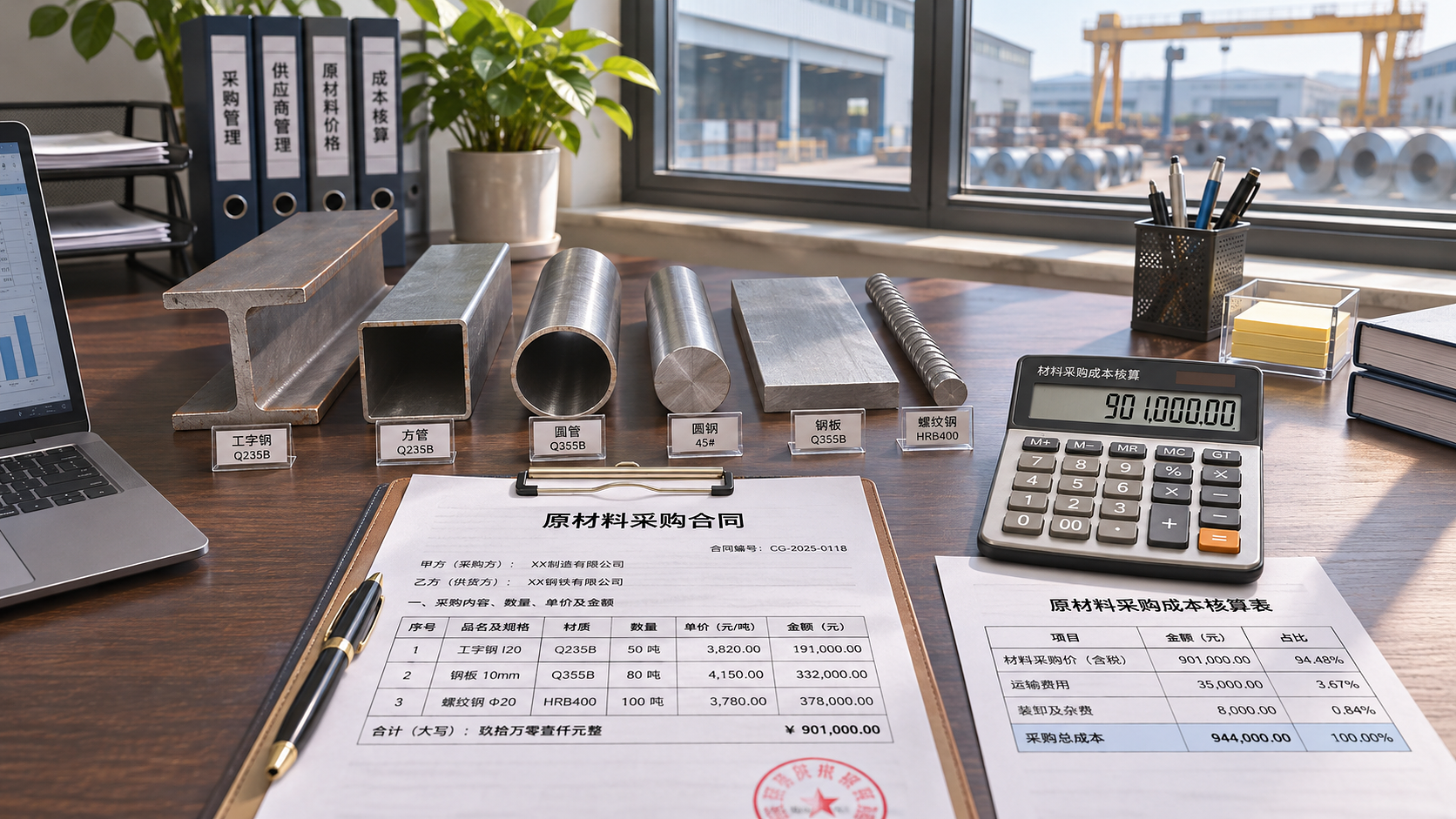
That is especially important in sectors where metallurgy, automation components, clean-room packaging, or anti-corrosion performance affect downstream output and warranty exposure.
6. Inventory strategy is shifting from lean to selective buffering
The old assumption that lean inventory always improves efficiency is under pressure. Many operations are now segmenting stock by criticality, replenishment risk, and revenue sensitivity.
Buffering is becoming targeted rather than broad. Critical components, long-lead industrial parts, and regulated materials often justify different inventory rules than standard commodities.
7. Data-led visibility is becoming a competitive moat
The strongest response to the global industrial outlook is not guesswork. It is structured visibility across suppliers, lanes, costs, compliance exposure, and regional industrial signals.
A data-led model helps teams identify weak nodes before a disruption becomes urgent. It also supports better negotiation, faster scenario planning, and stronger capital allocation decisions.
Where these shifts appear first in real operations
The seven shifts do not affect every value chain in the same way. Their impact depends on product complexity, transport intensity, regulatory burden, and regional exposure.
In other words, the global industrial outlook becomes most visible where physical performance, trade rules, and logistics timing intersect. That is why macro signals need to be translated into product-level decisions.
How to read the global industrial outlook without overreacting
Not every headline justifies a supply chain redesign. The practical challenge is separating temporary noise from structural change.
A useful starting point is to assess three layers at the same time: physical supply risk, trade policy risk, and operational substitution capacity. One weak layer can usually be managed. Multiple weak layers create strategic exposure.
- Track whether disruption affects one route, one supplier, or an entire regional cluster.
- Measure replacement difficulty, not only supplier count.
- Review landed cost under alternate freight, tariff, and compliance scenarios.
- Check whether technical standards can be maintained after source switching.
- Use updated customs, transit, and export trend data rather than historical averages.
This is where deep trade intelligence becomes more valuable than generic market commentary. GTIIN’s approach is relevant because it links macro industrial trends with route velocity, customs latency, supplier conditions, and regulatory change.
What stronger decisions look like over the next planning cycle
The most effective response to the global industrial outlook is usually disciplined adjustment, not dramatic restructuring. Small decisions made early often protect more value than large reactions made late.
That may mean reclassifying critical inputs, validating secondary suppliers with tighter technical criteria, or comparing regional production footprints against energy and compliance exposure.
It can also mean building a clearer supply chain map. Companies that understand material dependencies, transport sensitivity, and documentation risk are better prepared to absorb external shocks without losing commercial flexibility.
The next step is practical: review the categories where disruption would hurt revenue, delivery credibility, or capital efficiency the most. Then compare those categories against the seven shifts shaping the global industrial outlook.
A more resilient position usually starts with better questions, better data, and a more realistic view of how global industrial systems are being rewired in real time.
Have questions about this sector analysis, or seeking best practices specific to your niche? Drop us a line below and let the senior consultants at GTIIN assist you.
“We respect your privacy. Your information is strictly confidential.”
Weekly Insights
Stay ahead with our curated technology reports delivered every Monday.
Recommended News
 Supply ChainNov 08, 2026He Lifeng Holds Trade Talks With Bessent and Greer
 Market TrendsNov 08, 2026How to use industrial commodity market analysis to forecast costs
 Supply ChainNov 07, 2026EU Opens Safeguard Investigation into PET Resin Imports
 Industry StandardsNov 07, 2026Which ISO quality management standard can a company be certified to?