
Equipment Depreciation Analysis in Mining: Useful Life vs Residual Value
In mining, depreciation is never just an accounting line. It shapes asset valuation, reserve planning, capital budgeting, insurance review, and replacement timing. That is why equipment depreciation analysis mining has become a practical decision tool rather than a back-office exercise.
The central tension usually sits between useful life and residual value. One estimates how long equipment can deliver economic service. The other estimates what remains at the end. Small changes in either assumption can materially shift mine asset appraisals.
For cross-border operators, the issue is even more sensitive. Import costs, maintenance access, regulatory shifts, and resale conditions vary by region. In the broader industrial intelligence work of GTIIN, these variables matter because mining equipment value is tied to supply chain reality, not only book formulas.
Why useful life and residual value deserve closer attention
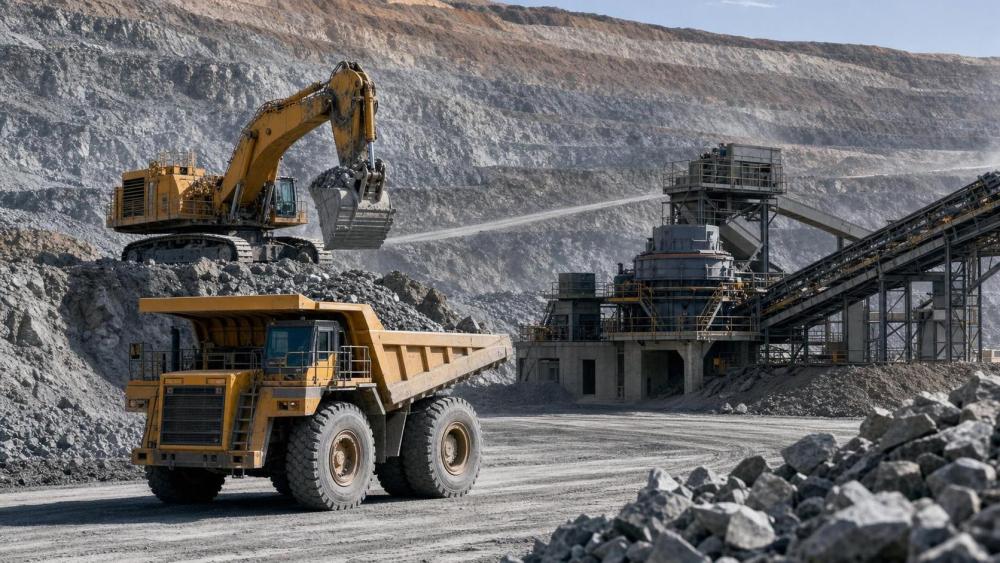
A haul truck, crusher, dragline, or underground loader rarely depreciates in a smooth, generic pattern. Operating hours, geology, operator behavior, overhaul quality, and parts availability all affect actual decline.
Useful life refers to the period in which equipment remains economically productive for its intended mining role. It is not always the same as technical life. A machine may still run, yet fail to justify its cost base.
Residual value is the expected recoverable amount after service life ends or after disposal. That amount may come from resale, rebuild potential, component recovery, or scrap value.
In equipment depreciation analysis mining, these two assumptions interact directly. A longer useful life lowers annual depreciation. A higher residual value does the same. But both can be overstated, especially in volatile commodity cycles.
What is changing in mining asset evaluation
Several market forces are making depreciation estimates less predictable than they once were.
- Higher equipment prices have increased the valuation impact of assumption errors.
- Longer lead times can extend in-service life beyond original planning.
- Automation upgrades may preserve operating relevance for some fleets.
- Emissions rules can reduce resale value in certain export markets.
- Rebuild programs may create a second life that changes depreciation logic.
This is where a broad industrial view becomes useful. GTIIN tracks global sourcing conditions, export movements, industrial standards, and supply chain resilience. Those signals help explain why identical machines may carry different residual expectations across regions.
A truck operating in a mature mining basin with active secondary buyers may retain stronger value. The same model in a remote jurisdiction with limited maintenance support may face faster economic decline.
How useful life is usually determined in practice
Useful life is best treated as an operating judgment supported by financial evidence. Manufacturer guidance is a starting point, but rarely the endpoint.
Operating profile matters more than the nameplate
Duty cycle changes everything. High-impact loading, abrasive material, steep haul routes, heat, and water exposure accelerate wear patterns. Two fleets of the same age can show very different service potential.
Maintenance history changes life expectations
A disciplined rebuild schedule can extend productive use. Deferred maintenance can do the opposite. Equipment depreciation analysis mining should therefore review lifecycle records, not only purchase dates.
Mine plan alignment is essential
Equipment value depends on the remaining life of the mine itself. If ore body access, stripping strategy, or closure timing changes, practical useful life may shorten, even when the machine remains mechanically sound.
Residual value is more than a scrap estimate
Residual value often receives less scrutiny, yet it is one of the most sensitive assumptions in mining appraisals.
A credible estimate should reflect secondary market demand, exportability, rebuild economics, and salvage recovery. It also should reflect dismantling cost, transport cost, and compliance cost.
For large assets, residual value may come from several layers. The frame may have one value, powertrain components another, and reusable systems a third. In some cases, cannibalization for parts exceeds open-market resale.
Cross-border trade conditions often influence this number. Tariff changes, used-equipment import restrictions, sanctions exposure, and port congestion can all reduce achievable disposal value. GTIIN-style trade intelligence is relevant because residual value lives in actual market channels.
A working comparison for appraisal decisions
The table below shows how useful life and residual value drive different judgment questions.
In equipment depreciation analysis mining, weak work on either side creates distorted value conclusions. The analysis becomes stronger when both assumptions are challenged together.
Where misjudgment usually happens
One common error is using standard accounting life across very different mine conditions. Another is copying residual percentages from generic industry guides without testing regional exit options.
A separate issue appears during commodity booms. High utilization may increase short-term output, yet compress remaining life faster than expected. Book value can then lag behind physical reality.
There is also the opposite problem. Replacement shortages may keep aging units productive longer than policy models suggest. In that case, conservative useful life assumptions can understate asset support for ongoing operations.
This is why equipment depreciation analysis mining works best when finance, operations, maintenance, and market intelligence are read together.
Practical ways to strengthen the analysis
A sound review usually starts with evidence quality. If records are incomplete, confidence in depreciation assumptions should be lower, and value ranges should widen.
- Separate accounting life from operating life and economic life.
- Check overhaul history against manufacturer and field benchmarks.
- Review used-equipment transactions by region, not only by model.
- Adjust residual value for transport, refurbishment, and compliance costs.
- Test assumptions under different commodity and utilization scenarios.
From a wider business perspective, this approach also supports sourcing and supply chain decisions. If a fleet faces shorter economic life, procurement timing, parts stocking, and vendor strategy may need revision.
That link is especially relevant to GTIIN’s analytical framework. Depreciation is not isolated from logistics, standards, and trade risk. It reflects how industrial assets behave inside a larger international operating system.
What to examine next
A useful next step is to build an equipment review around three questions. Is the current useful life assumption still supported by operating evidence? Is the residual value tied to a real disposal market? Are supply chain conditions changing the answer?
That structure keeps equipment depreciation analysis mining grounded in observable conditions. It also helps align valuation work with budget planning, replacement strategy, and transaction readiness.
When the analysis is updated with field data, market comparables, and trade intelligence, depreciation becomes a clearer guide for action. The result is not only a better number on paper, but a more reliable view of mining asset value over time.
Have questions about this sector analysis, or seeking best practices specific to your niche? Drop us a line below and let the senior consultants at GTIIN assist you.
“We respect your privacy. Your information is strictly confidential.”
Weekly Insights
Stay ahead with our curated technology reports delivered every Monday.
Recommended News
 Supply ChainNov 08, 2026He Lifeng Holds Trade Talks With Bessent and Greer
 Market TrendsNov 08, 2026How to use industrial commodity market analysis to forecast costs
 Supply ChainNov 07, 2026EU Opens Safeguard Investigation into PET Resin Imports
 Industry StandardsNov 07, 2026Which ISO quality management standard can a company be certified to?



