
How to Build a Trade Regulations Database That Supports Faster Market Entry
How to Build a Trade Regulations Database That Supports Faster Market Entry
A well-structured trade regulations database can turn market entry from a slow compliance exercise into a faster, more confident business process.
The hard part is rarely finding rules.
The hard part is turning scattered rules into usable decisions.
For cross-border projects, delays often begin with fragmented data.
Tariffs sit in one file.
Product standards live in another.
Customs documentation rules change faster than internal teams can track.
That gap slows approvals, sourcing, engineering validation, and launch planning.
A practical trade regulations database fixes this by making compliance data searchable, current, and tied to execution steps.
When built well, it supports faster market entry with fewer surprises.
Why a Trade Regulations Database Matters for Market Entry
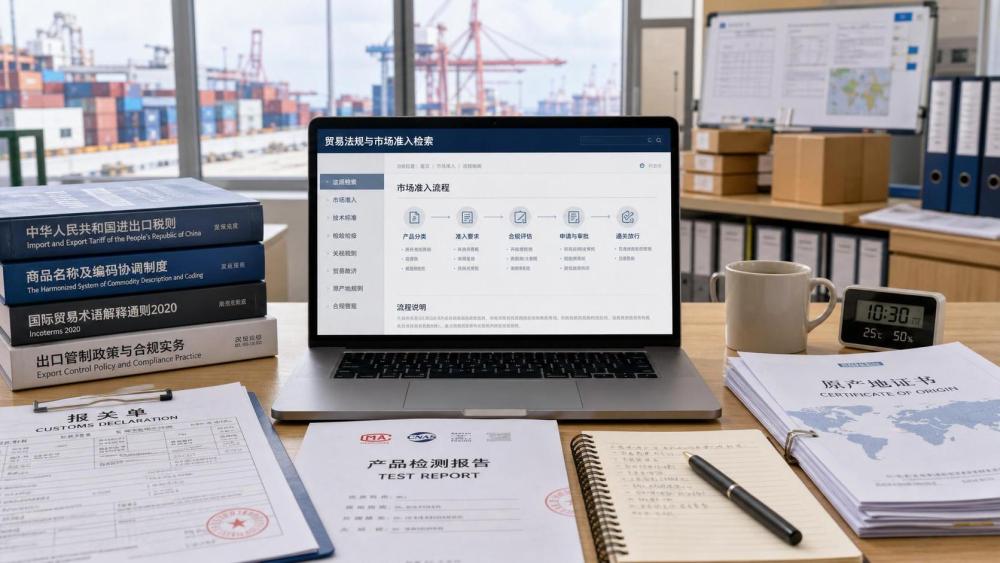
Most market entry plans fail on timing, not strategy.
A product may fit demand, pricing, and sourcing requirements.
But if import restrictions, labeling rules, or testing requirements surface late, the entire project slips.
This is where a trade regulations database becomes operational, not administrative.
It gives teams one place to verify what is allowed, what is required, and what changes by destination market.
More importantly, it helps connect regulations to real project milestones.
That includes supplier onboarding, material selection, packaging approval, customs filing, and final delivery readiness.
In practical terms, a trade regulations database reduces four common sources of delay:
- Late discovery of import bans or licensing rules
- Incorrect tariff or HS classification assumptions
- Missing product conformity documents
- Poor alignment between regulatory and engineering teams
That also means fewer reactive escalations once shipment planning begins.
Start With the Right Data Structure
A trade regulations database should not begin as a document archive.
It should begin as a decision model.
That distinction matters because teams need answers, not just reference files.
A useful structure usually starts with five core objects:
- Market or destination country
- Product category and HS code
- Applicable regulation or standard
- Required action or document
- Status, owner, and review date
Each record should answer a direct operational question.
For example, can this machine part enter Saudi Arabia without pre-shipment certification?
Or which documents are mandatory before customs release in Brazil?
That is why GTIIN-style trade intelligence works well here.
It combines regulatory data with sourcing, logistics, and industrial context.
This broader view matters because regulations rarely act alone.
They interact with packaging conditions, product materials, transit methods, and local inspection practices.
Recommended Data Fields
Prioritize Use Cases Before Expanding Coverage
Many teams try to build a global trade regulations database all at once.
That usually creates a large, stale system.
A better approach is to begin with a narrow operational scope.
Start where market entry speed matters most.
That could be one region, one product family, or one repeated export route.
Choose use cases with visible cost of delay.
- Industrial components entering the EU under CE-related requirements
- Bulk materials affected by tariffs, anti-dumping duties, or CBAM exposure
- Machinery shipments requiring local conformity approval
- Agricultural or chemical goods with strict documentation controls
This lets the trade regulations database prove value quickly.
It also helps expose missing fields before full rollout.
From recent trade shifts, the clearest signal is volatility.
Rules are changing faster around sustainability, sanctions, origin tracing, and supplier due diligence.
That means a database should focus first on rules with high business impact and frequent updates.
Connect Regulatory Records to Project Execution
A trade regulations database becomes valuable when it drives action.
If it stays separate from project workflows, teams still work from email and spreadsheets.
The database should link each regulation to a checkpoint in the delivery process.
For example:
- Quotation stage: tariff estimate, landed cost, restricted market screening
- Design stage: material standards, labeling, safety testing, origin rules
- Procurement stage: supplier certificates, declarations, audit evidence
- Shipment stage: customs forms, licenses, inspection bookings
- Entry stage: broker instructions, port-specific rules, release conditions
This is where cross-functional ownership becomes critical.
Engineering should not own customs validation alone.
Procurement should not approve suppliers without compliance visibility.
And logistics should not discover regulatory gaps after cargo booking.
A strong trade regulations database gives each team a specific trigger and next step.
Useful Workflow Rules
- No market launch without a completed rule check by destination.
- No shipment booking without mandatory document status marked complete.
- No supplier approval without product-level compliance evidence.
- Every high-risk rule needs a review date and named owner.
Build for Change, Not Just for Storage
The biggest weakness in any trade regulations database is outdated content.
Static databases create false confidence.
That is more dangerous than having no system at all.
To keep the database useful, build update logic into the design.
Each record should include source date, last review date, and trigger conditions for refresh.
Those triggers may include new tariffs, revised import licensing rules, sanctions changes, or new testing protocols.
This is especially important in sectors exposed to climate policy, strategic materials, food safety, or dual-use controls.
In actual operations, the best model is often a tiered review rhythm:
- Monthly review for high-risk markets or products
- Quarterly review for stable markets
- Immediate update after critical policy change alerts
GTIIN’s value in this area is clear.
It adds macro trade movement, industrial standards tracking, and supply chain interpretation to pure regulation monitoring.
That helps teams update the trade regulations database before disruption becomes a shipment problem.
What a High-Performing Trade Regulations Database Should Deliver
At a minimum, the system should improve speed, accuracy, and accountability.
But a high-performing trade regulations database should go further.
It should help teams answer three business questions faster:
- Can we enter this market now?
- What could delay clearance or approval?
- What needs to happen this week to stay on schedule?
That shift is important.
The database stops being a compliance library and becomes a market entry control tower.
For organizations expanding across multiple industrial markets, this creates a practical advantage.
Teams can compare markets, estimate regulatory effort, and choose entry paths with better timing discipline.
That also improves supplier selection and cross-border sourcing decisions.
The most effective next step is simple.
Start with one market, one product group, and one measurable delay problem.
Then build the trade regulations database around decisions your teams make every week.
That is usually where faster market entry begins.
Have questions about this sector analysis, or seeking best practices specific to your niche? Drop us a line below and let the senior consultants at GTIIN assist you.
“We respect your privacy. Your information is strictly confidential.”
Weekly Insights
Stay ahead with our curated technology reports delivered every Monday.
Recommended News
 Supply ChainNov 08, 2026He Lifeng Holds Trade Talks With Bessent and Greer
 Market TrendsNov 08, 2026How to use industrial commodity market analysis to forecast costs
 Supply ChainNov 07, 2026EU Opens Safeguard Investigation into PET Resin Imports
 Industry StandardsNov 07, 2026Which ISO quality management standard can a company be certified to?



