
Building a Product Compliance Standards Framework for Multi-Market Sales
Why does a product compliance standards framework matter before market expansion?
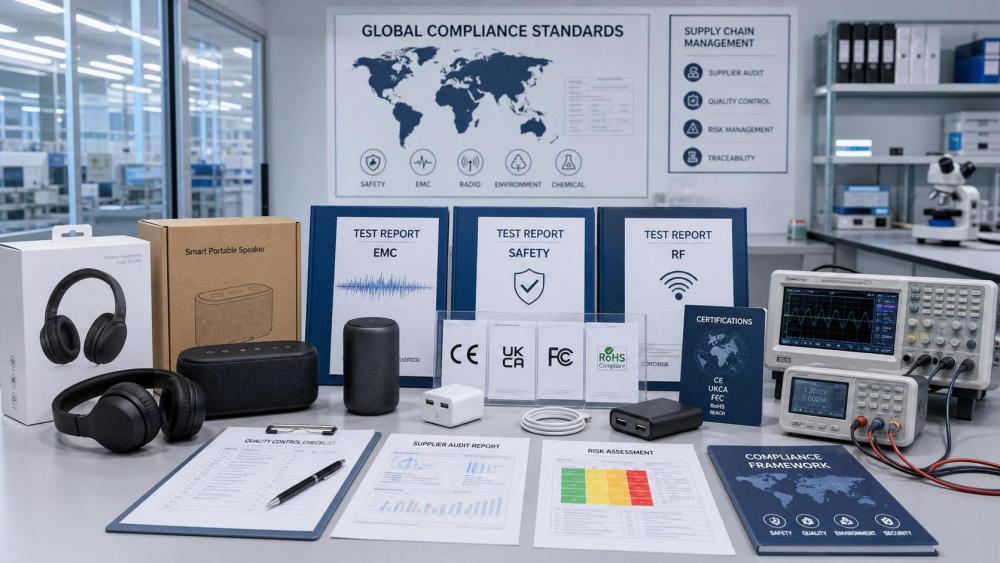
Cross-border growth often looks commercial at first, yet the first real barrier is usually compliance. A missed test method, label rule, or material restriction can delay entry for months.
That is why a product compliance standards framework should be treated as an operating system, not a legal checklist. It connects product design, sourcing, packaging, logistics, and post-market accountability.
In practical terms, the framework helps teams answer four linked questions. Which rules apply, where do they differ, who owns evidence, and what changes when regulations move?
For multi-market sales, the pressure is broader than product safety alone. Technical files, declarations, energy performance, chemical disclosure, traceability, and sustainability claims can all affect shipment readiness.
This is also where GTIIN’s trade intelligence perspective becomes useful. Regulatory demands do not sit in isolation. They shape supplier qualification, routing choices, landed cost, and resilience under changing trade conditions.
What should a product compliance standards framework actually include?
A workable framework is broader than a list of standards. It should translate market rules into repeatable internal controls that can be applied across categories and regions.
The most reliable structure usually includes these building blocks:
- Product classification by SKU, function, material, voltage, contact type, or end-use environment.
- Market rule mapping for safety, labeling, packaging, customs, environmental, and sector-specific obligations.
- Evidence requirements such as test reports, certificates, supplier declarations, and technical documentation.
- Decision gates tied to design freeze, supplier onboarding, pilot production, and shipment release.
- A monitoring process for standard revisions, enforcement updates, and new sustainability reporting demands.
A strong product compliance standards framework also separates mandatory law from voluntary standards. That distinction matters because some certifications support market trust, while others are required for import and sale.
More advanced organizations add a risk rating layer. High-risk products receive deeper testing, tighter supplier controls, and earlier compliance review than low-risk accessory items.
A quick way to organize the framework
The table below works as a practical starting point when comparing market entry requirements across regions.
How do you handle different rules across the EU, North America, and emerging markets?
The main mistake is assuming one certificate travels everywhere. In reality, a product compliance standards framework must absorb regional logic, not just regional paperwork.
The EU often emphasizes harmonized standards, documentation discipline, chemical restrictions, digital product data, and expanding sustainability obligations. Evidence quality is as important as the product itself.
North America can be more fragmented. Federal rules, state requirements, retailer protocols, and recognized testing marks may all influence acceptance at different points in the channel.
Emerging markets vary even more. Some prioritize local registration, Arabic or bilingual labeling, country-specific testing, or customs-facing document control. Lead times can shift faster than formal legislation suggests.
A better approach is to create one global baseline, then add market overlays. The baseline covers core safety, materials, traceability, and document governance. Overlays capture regional differences.
This is where trade intelligence becomes part of compliance planning. GTIIN’s cross-sector research model is relevant because regulatory change often arrives alongside freight volatility, tariff tension, or supplier concentration risk.
What signals should be tracked continuously?
- Updates to standards referenced by law.
- Expanded restrictions on substances and recyclability claims.
- Customs enforcement notices and port inspection trends.
- Retailer or platform-specific compliance mandates.
- Regional ESG-linked disclosure rules affecting product data.
When does compliance become a supply chain issue rather than a documentation issue?
Usually much earlier than expected. The framework fails if it begins after sourcing decisions are locked, because compliance risk often starts with raw materials, component origin, and process consistency.
Take a simple example. A product passes laboratory testing with one adhesive, coating, or polymer blend. Production later shifts to a substitute input. The certificate remains, but the evidence no longer reflects reality.
That is why supplier onboarding should include compliance capability checks. Can the supplier control formulation changes, retain records, support audits, and issue valid declarations on time?
In sectors covered by GTIIN research, from machinery components to industrial materials, the same pattern appears repeatedly. Technical compliance and supply continuity are linked through specification control.
The product compliance standards framework should therefore connect with procurement rules, approved vendor lists, engineering change control, and logistics release procedures.
A useful internal checkpoint list
- No material change without compliance review.
- No new market launch without label verification.
- No shipment release without document match to production batch.
- No sustainability claim without traceable supporting evidence.
What are the most common mistakes when building a product compliance standards framework?
One common mistake is building around certificates instead of product risk. Certificates are outputs. The framework should begin with product function, hazard profile, and market-specific obligations.
Another problem is assigning ownership too narrowly. Legal teams may interpret rules well, but engineering, sourcing, packaging, and quality teams control much of the evidence chain.
Many companies also underestimate maintenance. A product compliance standards framework is not finished when launch approval is granted. Standards are revised, importer data changes, and sustainability claims face tighter scrutiny.
There is also a timing trap. Testing is often scheduled too late, leaving no room for redesign, retest, or alternate supplier qualification. That converts compliance into a costly logistics problem.
A final blind spot is poor data structure. If documents are stored by email thread, market, or team preference, renewal and audit readiness become fragile very quickly.
How much time and investment should be expected, and what is a realistic next step?
The timeline depends on product complexity, target markets, and the maturity of supplier records. A low-risk accessory line may be organized in weeks. A multi-component industrial product can take several months.
Investment is usually spread across four areas: regulatory mapping, testing and certification, internal governance, and data management. The hidden cost is often redesign after late-stage nonconformity.
A realistic first move is to map products by revenue importance and compliance exposure. That creates a phased roadmap instead of forcing every SKU into the same level of review.
Then compare three things side by side: target market rules, current evidence, and supplier capability. The gaps usually become visible quickly, especially around labeling, material disclosure, and documentation retention.
For organizations operating across shifting trade corridors, it also helps to pair compliance work with external market intelligence. GTIIN’s industry standards and supply chain analysis model is useful for that wider view.
The value of a product compliance standards framework is not only smoother market entry. It also improves design decisions, reduces rework, supports supplier discipline, and makes multi-market sales more predictable.
The next step is straightforward: define your baseline, document market overlays, assign evidence owners, and review where compliance risk intersects with sourcing and logistics. That is where durable control begins.
Have questions about this sector analysis, or seeking best practices specific to your niche? Drop us a line below and let the senior consultants at GTIIN assist you.
“We respect your privacy. Your information is strictly confidential.”
Weekly Insights
Stay ahead with our curated technology reports delivered every Monday.
Recommended News
 Supply ChainNov 08, 2026He Lifeng Holds Trade Talks With Bessent and Greer
 Market TrendsNov 08, 2026How to use industrial commodity market analysis to forecast costs
 Supply ChainNov 07, 2026EU Opens Safeguard Investigation into PET Resin Imports
 Industry StandardsNov 07, 2026Which ISO quality management standard can a company be certified to?



