
Industrial Trade Outlook Explained: What Buyers Should Watch in Pricing and Lead Times
Industrial Trade Outlook Explained: What Buyers Should Watch in Pricing and Lead Times
For procurement teams navigating volatile markets, a clear industrial trade outlook is essential to controlling cost and supply risk.
From raw material swings and freight shifts to factory utilization and geopolitical pressure, buyers need sharper visibility into what moves pricing and lead times.
This article explains the key signals to watch so sourcing decisions can stay faster, smarter, and more resilient.
Why the Industrial Trade Outlook Matters More Now
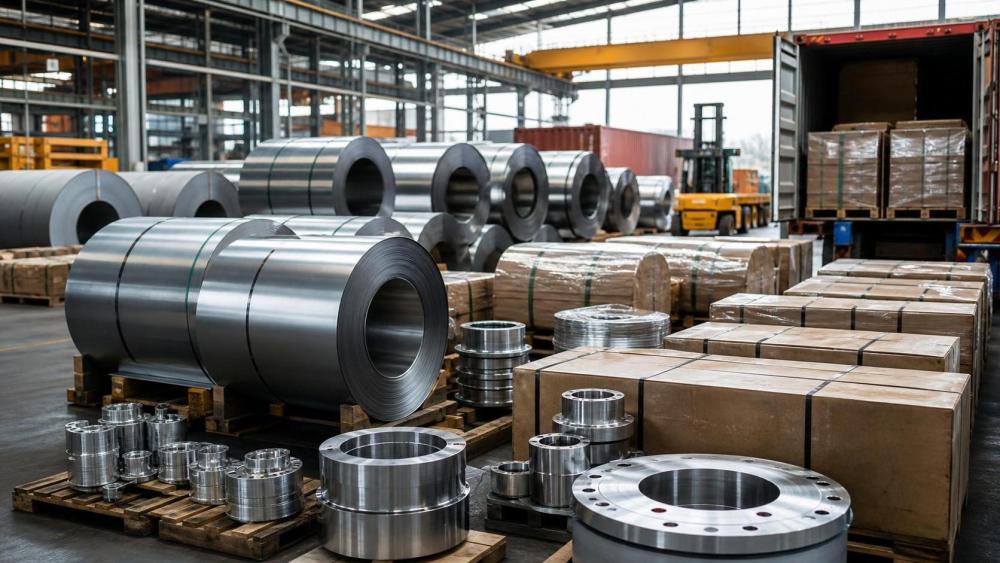
The industrial trade outlook is no longer a background report.
It now shapes daily buying choices, contract timing, and supplier allocation.
In many categories, prices move before demand data becomes obvious.
Lead times also change faster than traditional sourcing cycles can absorb.
That is why a practical industrial trade outlook should connect macro signals with buying actions.
A useful view is not just about where markets are going.
It should explain what those shifts mean for order timing, inventory strategy, and supplier risk.
In actual operations, even a small delay in reading the market can raise landed cost.
The Main Drivers Behind Industrial Pricing
When reviewing the industrial trade outlook, pricing should never be read in isolation.
Most price changes come from a combination of supply pressure, energy cost, and regional policy shifts.
Raw materials remain the first signal to monitor.
Steel, aluminum, copper, petrochemicals, and packaging inputs often move ahead of finished goods quotes.
If upstream indexes rise for several weeks, downstream quote adjustments usually follow.
Energy is another major factor.
Electricity shortages, gas price spikes, and fuel volatility can quickly change production economics.
This matters most in energy-intensive categories such as metals, ceramics, glass, and chemicals.
A stronger signal is when suppliers start shortening quote validity.
That often means their cost base is still unstable.
Labor and compliance costs also deserve attention.
Minimum wage changes, environmental restrictions, and export documentation requirements can all push pricing higher.
A balanced industrial trade outlook weighs all these forces together, not one by one.
Pricing signals worth checking every week
- Upstream commodity index direction and speed of movement
- Supplier quote validity periods getting shorter
- Energy surcharges or unexpected utility adjustments
- Freight and inland logistics cost changes
- New tariffs, duties, or compliance-related fees
What Really Changes Lead Times
Lead times are often misunderstood as a factory issue only.
In reality, the industrial trade outlook for lead times includes production, logistics, customs, and regional disruption.
Factory utilization is a key starting point.
When order books rise above normal levels, confirmed capacity becomes more valuable than nominal capacity.
This is especially true for custom components and engineered products.
Another common trigger is component dependency.
A finished item may look available, but one delayed motor, valve, resin, or chip can hold the shipment.
Freight reliability is just as important.
Blank sailings, port congestion, container imbalance, and route diversions can add weeks with little warning.
More recently, border inspections and compliance checks have become a larger variable.
That means a realistic industrial trade outlook must cover both factory lead time and transit lead time.
Common lead time warning signs
- Suppliers stop accepting rush orders
- Partial shipment proposals become more frequent
- Transit schedules shift without cost reductions
- Production slots require earlier deposit commitments
- Documentation requests increase before export clearance
How to Read Supplier Quotes More Carefully
A good industrial trade outlook becomes more useful when it is matched against live supplier behavior.
Quotes often reveal pressure before market reports do.
Start with the quote structure itself.
If packaging, surcharges, molds, testing, or inland delivery suddenly move outside standard terms, cost pressure is building.
Then compare promised lead time with capacity commitment.
Some suppliers keep short lead times on paper while quietly weakening delivery confidence.
You can often spot this through softer language around planning windows.
It also helps to ask what assumptions support the quote.
Is resin locked for 30 days?
Is vessel space included?
Are compliance test slots confirmed?
These details turn a generic industrial trade outlook into an actionable sourcing view.
A Practical Framework for Better Buying Decisions
The most effective response is not guessing the market perfectly.
It is building a repeatable decision process around the industrial trade outlook.
A simple framework can make volatile conditions easier to manage.
- Segment spend by risk, not only by annual value.
- Track categories with high material or freight sensitivity separately.
- Set quote refresh cycles based on volatility, not habit.
- Validate supplier capacity with order backlog and critical component exposure.
- Use alternate routing and dual sourcing where delays can stop production.
This approach helps separate noise from real action points.
It also keeps teams from overreacting to every market headline.
In practice, the best industrial trade outlook is one that supports timing, negotiation, and continuity planning together.
Quick decision table for pricing and lead times
How to Use the Industrial Trade Outlook in Negotiation
Market visibility should improve negotiation quality, not just increase caution.
When the industrial trade outlook shows mixed signals, the best move is often selective flexibility.
For example, a supplier may resist a flat price reduction.
But they may offer better payment terms, bundled logistics, or firmer lead time commitments.
That can protect total cost better than chasing a small unit discount.
It also helps to negotiate indexed reviews for volatile inputs.
This reduces friction when markets move and makes contract logic easier to defend internally.
Another practical tactic is volume timing.
If the industrial trade outlook points to longer lead times but stable pricing, securing slots may matter more than buying early.
If pricing pressure is rising but freight is easing, bringing forward orders may be the better play.
Final Takeaways for Smarter Sourcing
A reliable industrial trade outlook is not about predicting every market turn.
It is about spotting signals early enough to protect cost, continuity, and decision speed.
Watch raw materials, energy, capacity, freight, and compliance as one connected system.
Then compare those signals with what suppliers are actually saying in quotes and delivery commitments.
That is where the clearest buying insights usually appear.
In day-to-day sourcing, better decisions often come from better timing, not bigger reactions.
Use the industrial trade outlook as a working tool.
Refresh it regularly, link it to live supplier data, and turn each signal into a specific action.
That is how sourcing stays more resilient when market conditions refuse to stay still.
Have questions about this sector analysis, or seeking best practices specific to your niche? Drop us a line below and let the senior consultants at GTIIN assist you.
“We respect your privacy. Your information is strictly confidential.”
Weekly Insights
Stay ahead with our curated technology reports delivered every Monday.
Recommended News
 Supply ChainNov 10, 2026China Extends Pause on 24% Additional Tariff on US Goods by Two Months
 Industry StandardsNov 10, 2026Which imports are subject to EU carbon border compliance?
 Global SourcingNov 09, 2026USTR Extends 178 China Section 301 Tariff Exclusions to January 2027
 Supply ChainNov 09, 2026How can a tariff risk management dashboard track cost exposure?



