
China-Switzerland FTA Upgrade: 99.8% of Swiss Exports to China Set for Duty-Free Access
On August 20, 2026, China and Switzerland announced the completion of negotiations to upgrade their free trade agreement and signed a memorandum of understanding. The arrangement covers goods, services, investment, digital trade, environmental matters, and labor, with 99.8% of existing Swiss exports to China identified for duty-free access. For importers, manufacturers, distributors, procurement teams, and trade-service providers handling European industrial goods, precision instruments, pharmaceuticals, and premium consumer products, the development is relevant because it may reshape tariff treatment and the compliance work attached to cross-border delivery.
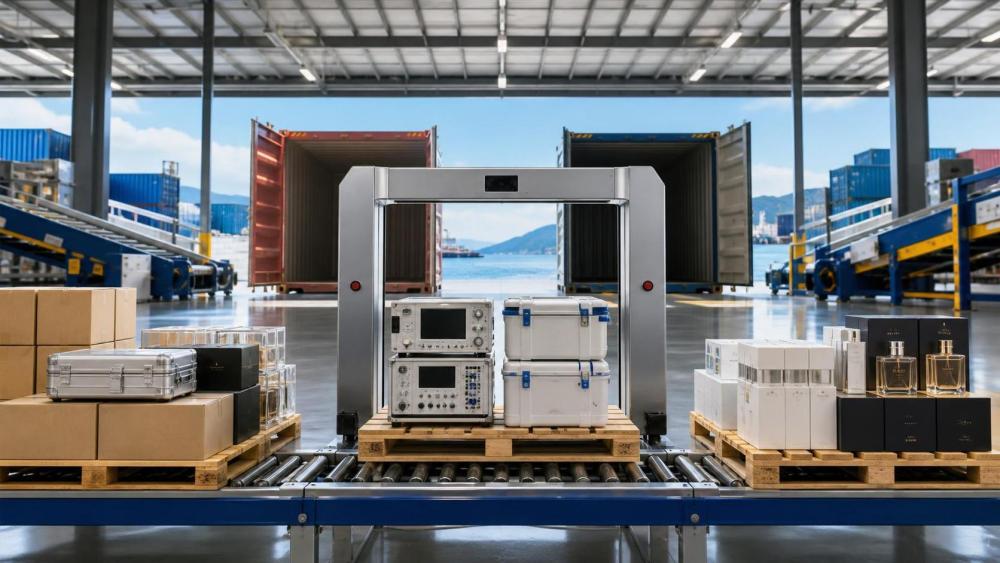
What the completed negotiations establish
The confirmed announcement states that China and Switzerland have completed negotiations on an upgraded free trade agreement and signed a memorandum of understanding. The upgrade addresses goods trade, services trade, investment, digital trade, environmental issues, and labor.
Under the announced arrangement, 99.8% of existing Swiss products exported to China will receive duty-free market access. The legal texts are planned for formal signature before the end of 2026 after legal review, and the arrangement will subsequently require domestic approval procedures on both sides.
The information provided indicates that the contemplated tariff treatment is particularly relevant to Swiss industrial products, precision instruments, pharmaceuticals, and high-end consumer goods entering the Chinese market. It does not provide product-level schedules, documentary rules, implementation dates, or approval outcomes.
Where trade operations may feel the change first
Import purchasing and supplier sourcing
From an industry perspective, purchasers sourcing eligible Swiss products may need to reassess landed-cost assumptions once the final legal texts and implementation arrangements are available. The potential effect is not limited to the tariff line itself: sourcing teams may also need to examine product classification, supplier documentation, commercial terms, and delivery planning to determine whether a product can qualify for the announced treatment.
Manufacturing and equipment integration
For manufacturers and equipment integrators using Swiss industrial inputs or precision instruments, analysis suggests that a lower tariff burden could affect procurement comparisons and component-selection decisions. Actual operational benefits would depend on the final scope, the applicable eligibility conditions, and whether technical documents, quality records, and import documentation align with the eventual requirements.
Pharmaceutical and premium-goods distribution
Distributors of pharmaceuticals and high-end consumer products may view the announcement as a reason to review portfolio planning and import-channel readiness. However, duty-free access should not be treated as a substitute for product-specific regulatory, quality, certification, labeling, or market-entry obligations that may apply independently. The provided information does not confirm any change to those requirements.
Logistics, customs, and trade-service workflows
Customs brokers, freight providers, and trade-service teams may need to prepare for new verification work if the final agreement introduces origin-related or other documentary conditions. This is an analytical consideration rather than a confirmed rule: the announced information does not specify customs procedures, proof requirements, or the timing of operational implementation.
Practical items to review before formal implementation
Track the legal-text review and approval path
Businesses should follow the planned legal review, formal signature, and domestic approval procedures before treating the arrangement as operational. Internal commercial decisions should distinguish between the completion of negotiations and the later point at which final rules and effective dates are confirmed.
Map products against eventual tariff eligibility
Importers and suppliers may prepare product lists for the relevant Swiss-origin industrial goods, precision instruments, pharmaceuticals, and premium consumer products. Once detailed schedules are released, they can verify which products are covered and assess whether existing product classifications and supply arrangements support the applicable treatment.
Check documentation and technical records
Companies may wish to review the completeness of supplier declarations, product specifications, test reports, quality records, shipping documents, and procurement files. This is a preparatory measure, not a newly confirmed compliance obligation. The final text and implementation guidance will determine what evidence is required in practice.
Keep delivery and pricing assumptions flexible
Procurement, sales, and supply-chain teams may need to avoid embedding assumed tariff savings into binding delivery or pricing commitments before the final terms take effect. Contract language, delivery calendars, and inventory plans can be reviewed as more information becomes available.
A negotiation milestone, with execution still ahead
At this stage, it is more appropriate to understand the announcement as a strong implementation signal rather than a fully operational tariff change. The negotiations have been completed and a memorandum of understanding has been signed, but the legal texts still require review, formal signature, and domestic approvals.
What deserves closer attention is how the final text defines covered goods and the conditions for obtaining duty-free treatment, as well as the timing and operational guidance that follow approval. These details may shape the value of the arrangement for individual transactions more directly than the headline percentage alone. Industry participants will also need to watch for changes in procurement documentation, customs practice, technical files, and market feedback after implementation begins.
How the announcement should be read now
The upgraded China-Switzerland free trade arrangement points to a prospective reduction in tariff barriers for nearly all existing Swiss exports to China, while also extending the negotiated framework into services, investment, digital trade, environmental matters, and labor. For affected supply chains, the immediate task is preparation and verification rather than assuming a completed operational change.
A measured response is to identify potentially relevant products and transactions, maintain documentation readiness, and monitor the final legal and approval process. The commercial effect will depend on the eventual text, implementation timetable, and transaction-level eligibility requirements.
Basis for this report and items requiring verification
This article is based on the user-provided news title, event date, and event summary. Specific official source links were not provided in the input and should be verified on an ongoing basis.
For this type of development, relevant materials may include official announcements, information from trade or customs authorities, regulatory publications, industry association updates, standards organization documents, and authoritative media reporting. Further verification will be needed for final policy details, certification interpretations, tender-document changes, trade execution practices, industry feedback, and company-level implementation.
Have questions about this sector analysis, or seeking best practices specific to your niche? Drop us a line below and let the senior consultants at GTIIN assist you.
“We respect your privacy. Your information is strictly confidential.”
Tags
Weekly Insights
Stay ahead with our curated technology reports delivered every Monday.
Recommended News
 Supply ChainNov 08, 2026He Lifeng Holds Trade Talks With Bessent and Greer
 Market TrendsNov 08, 2026How to use industrial commodity market analysis to forecast costs
 Supply ChainNov 07, 2026EU Opens Safeguard Investigation into PET Resin Imports
 Industry StandardsNov 07, 2026Which ISO quality management standard can a company be certified to?



